
Before becoming a Miami hot spot, Wynwood had a different vibe. Take a look
Today, we know Wynwood for its galleries, restaurants and nightlife. But what did Wynwood look like decades before it became a Miami hot-spot attraction.
Well, it was a different kind of attraction.
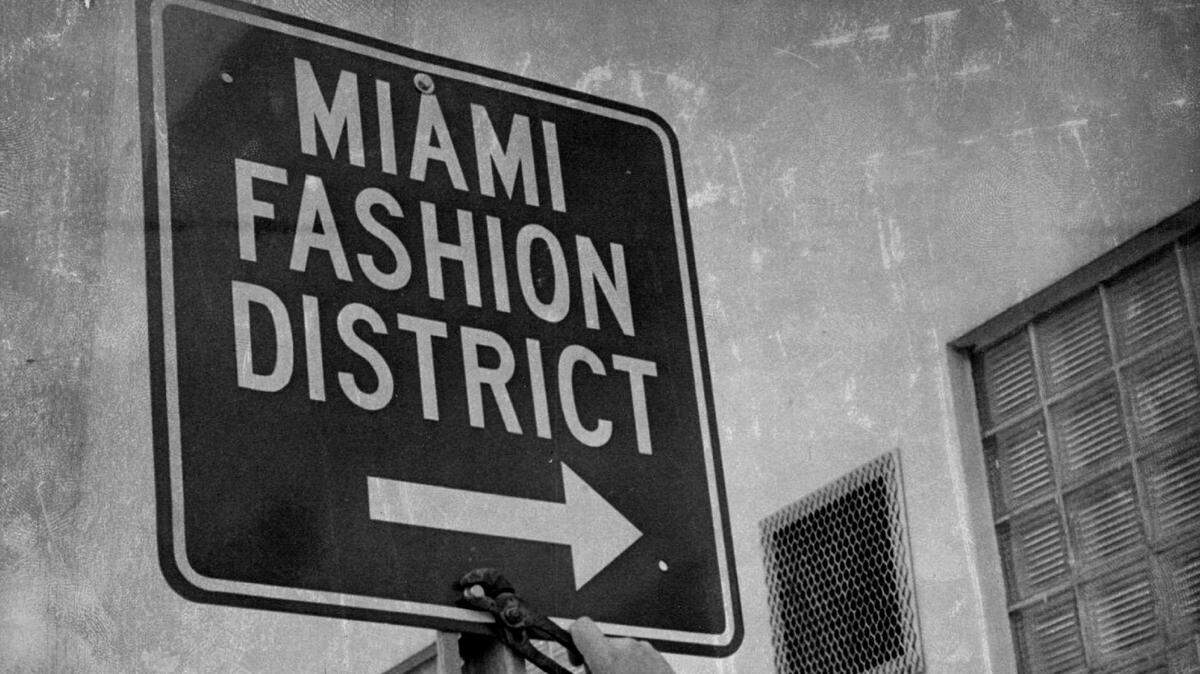
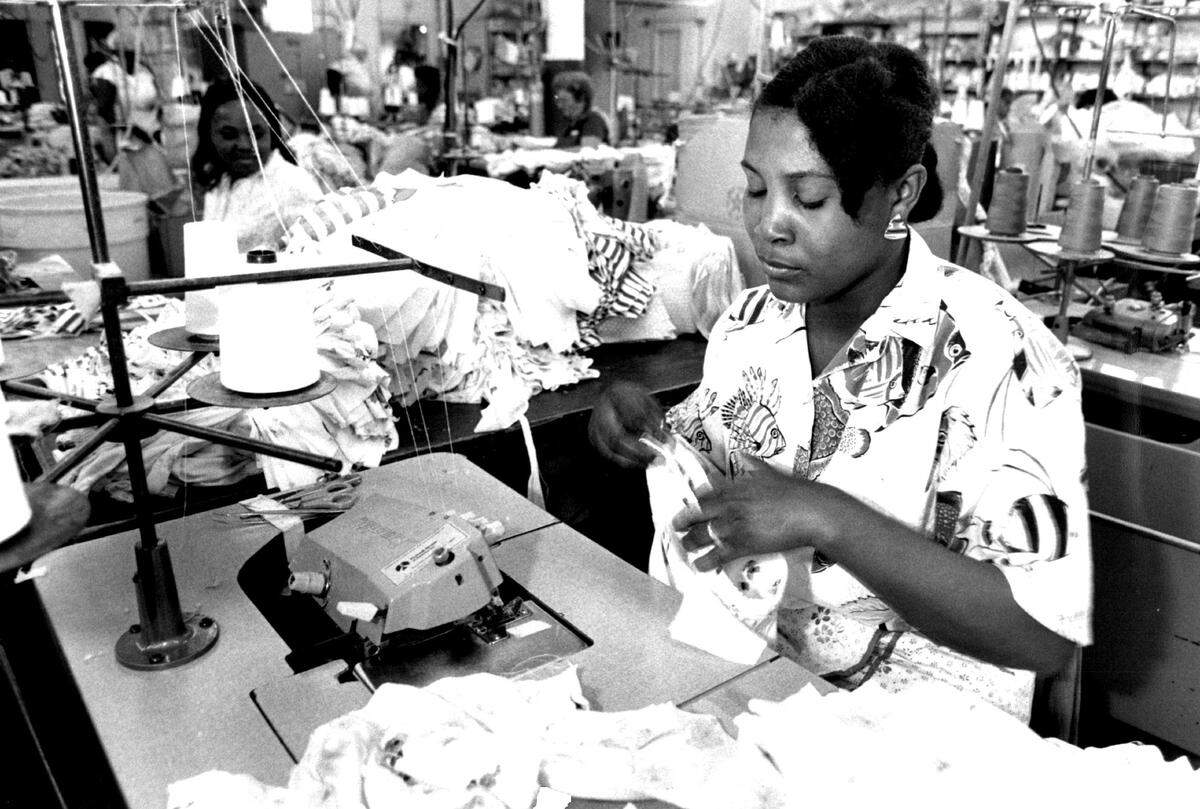
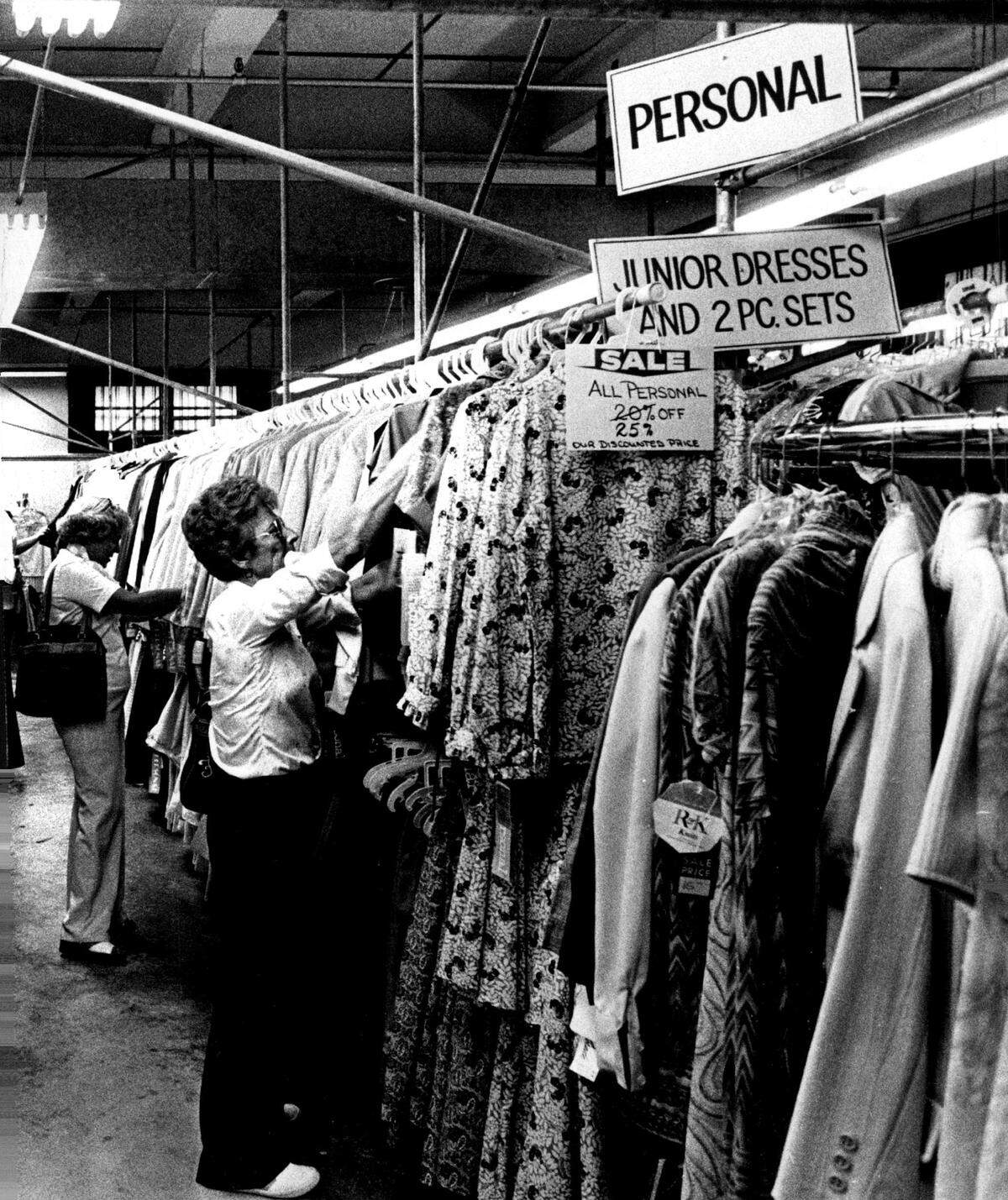
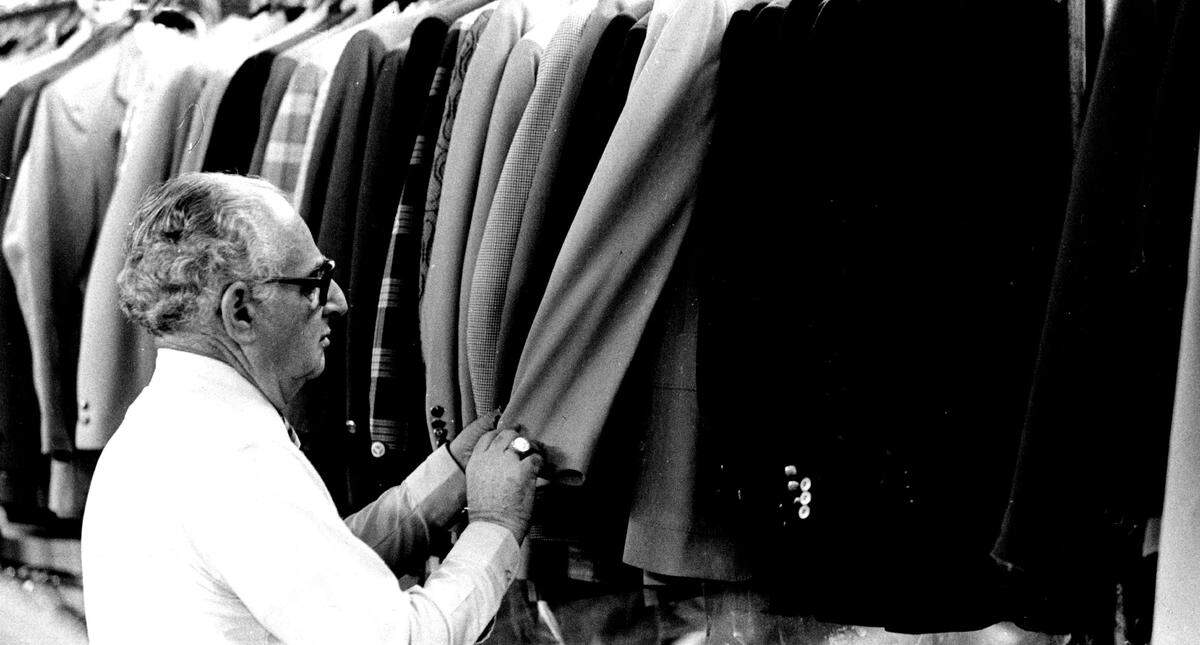
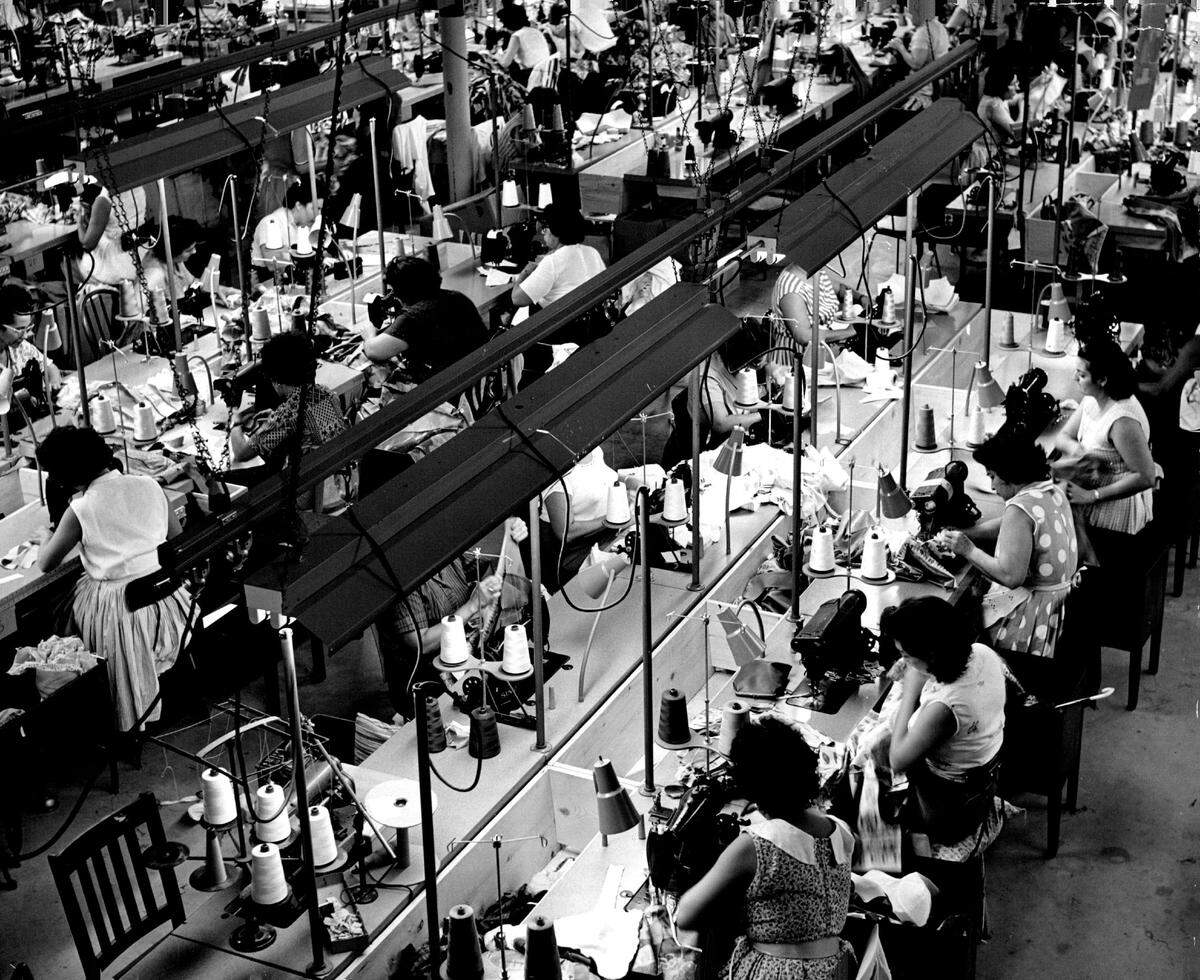
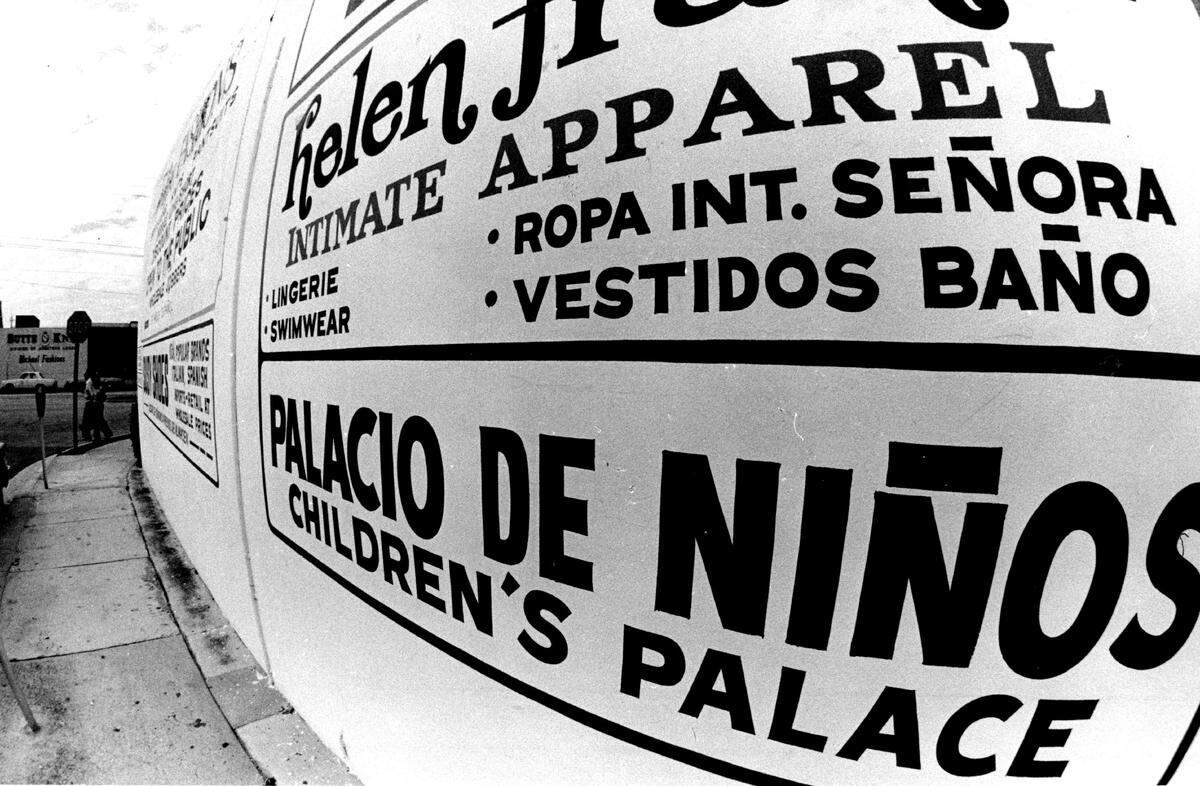
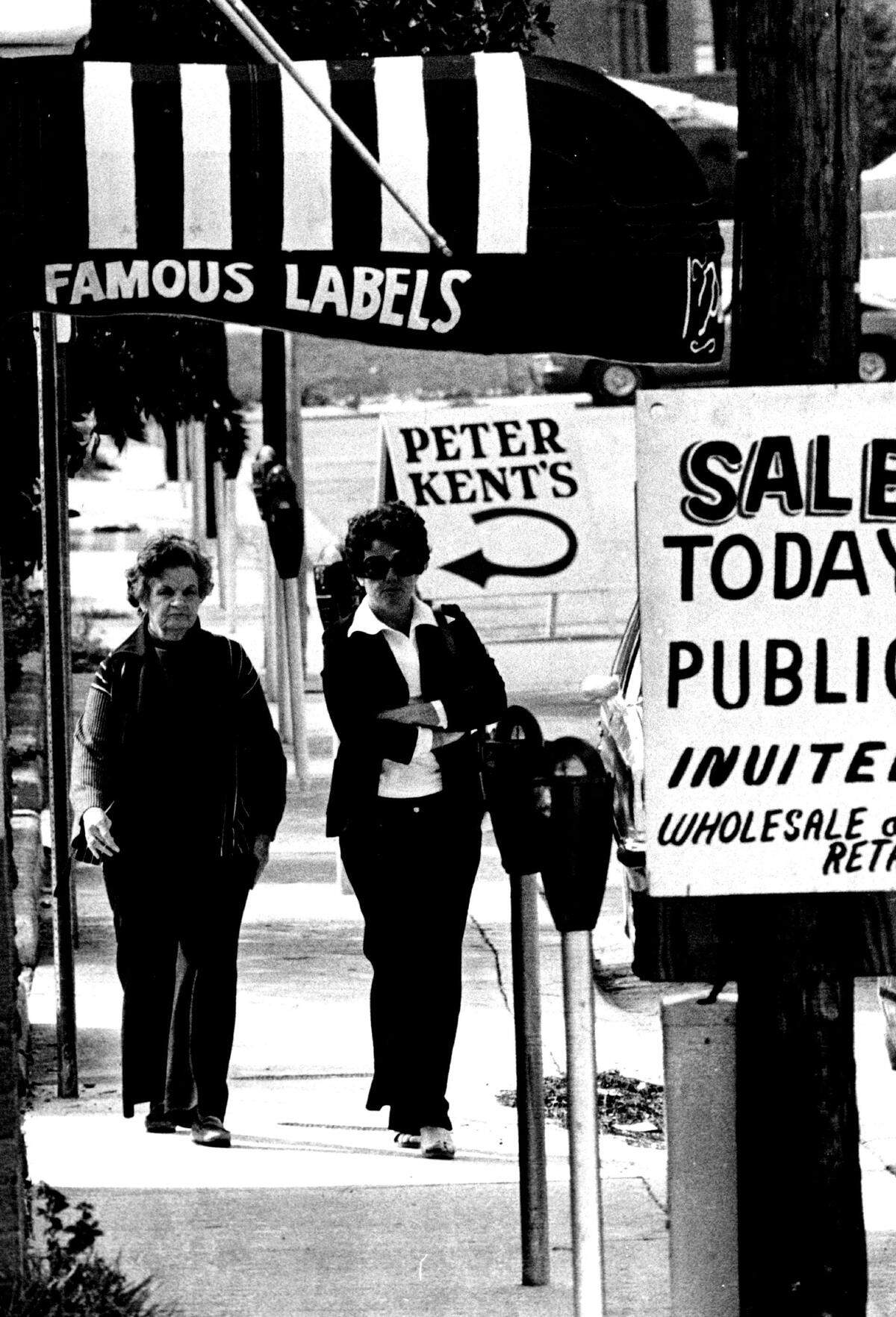
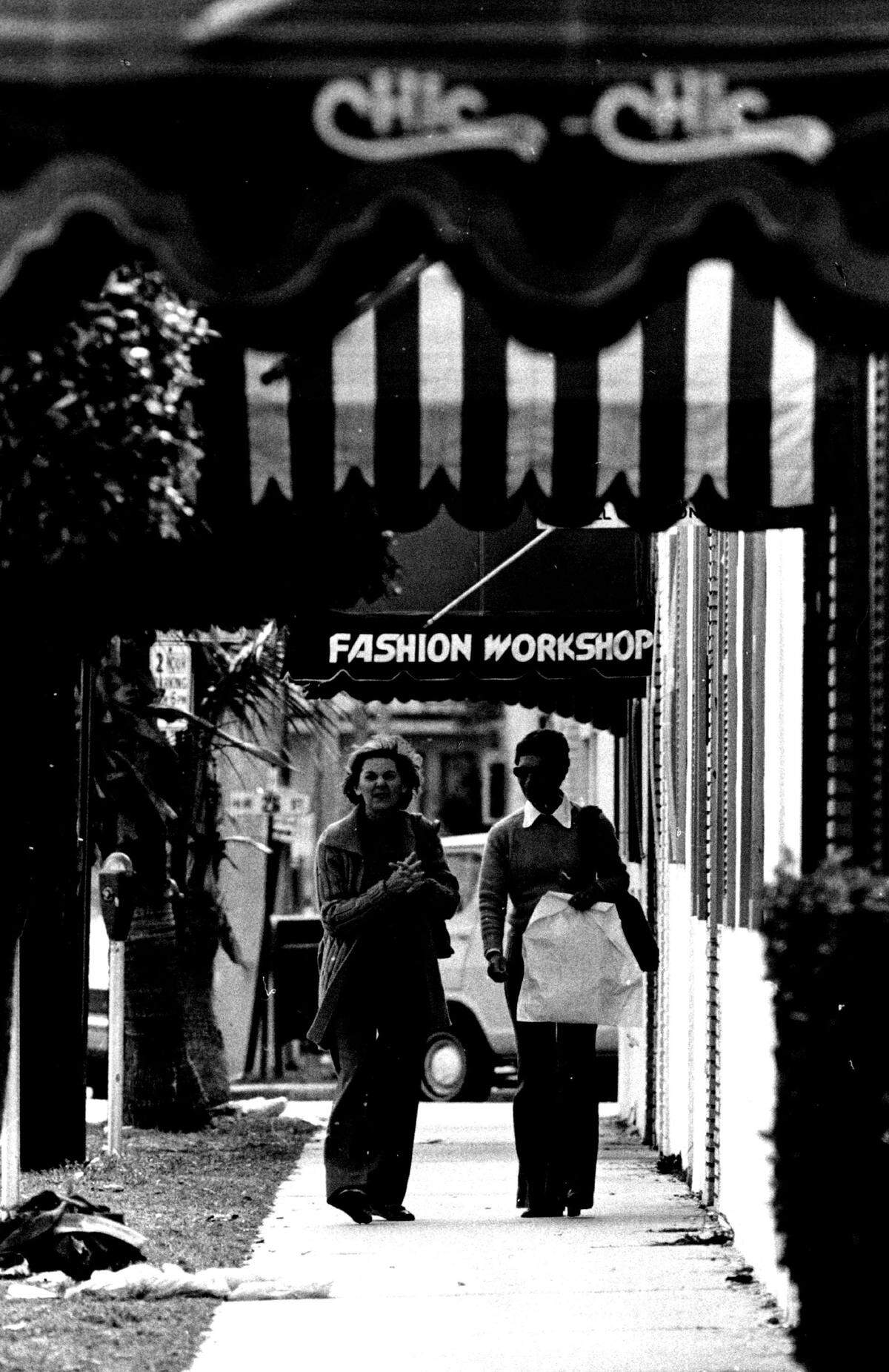
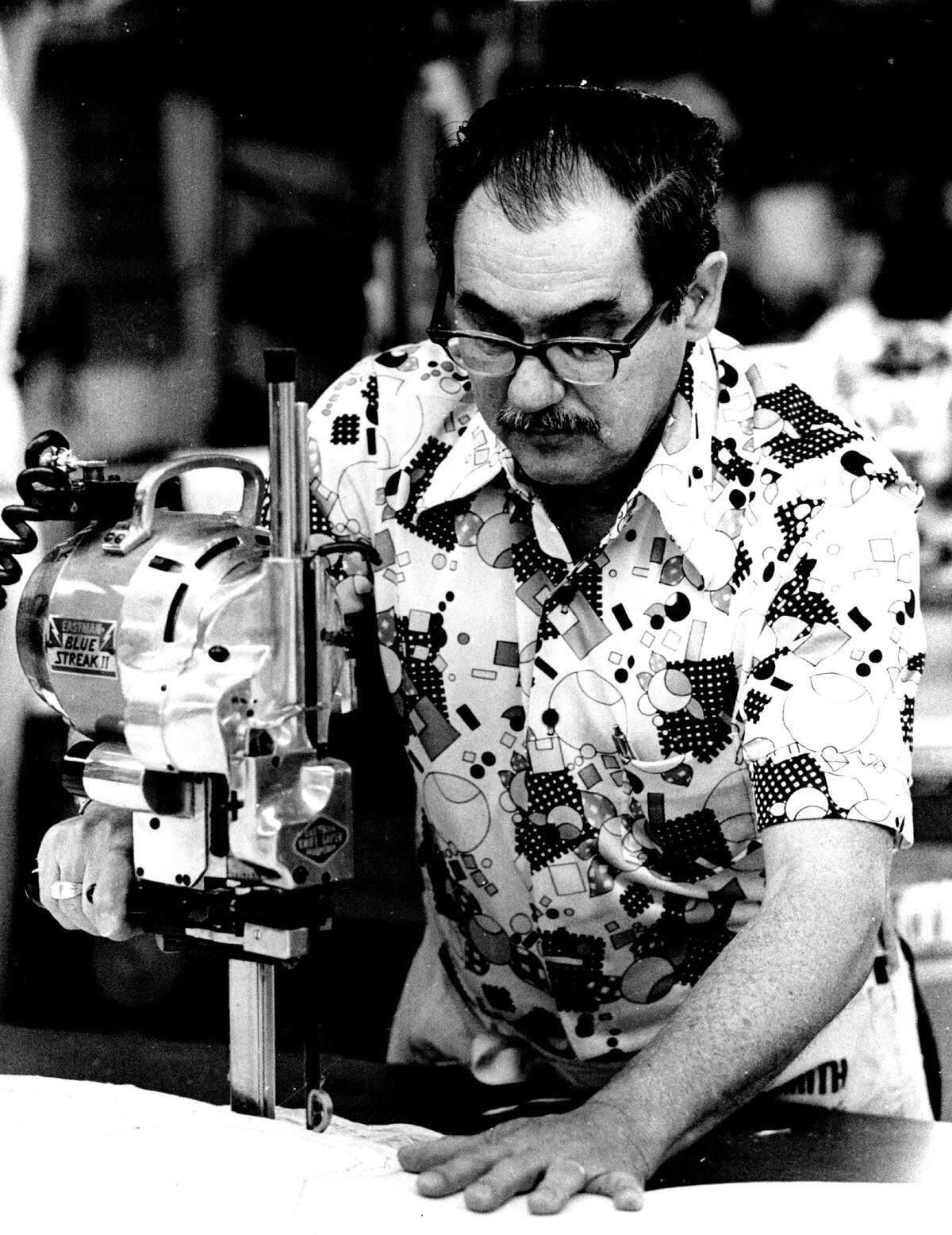
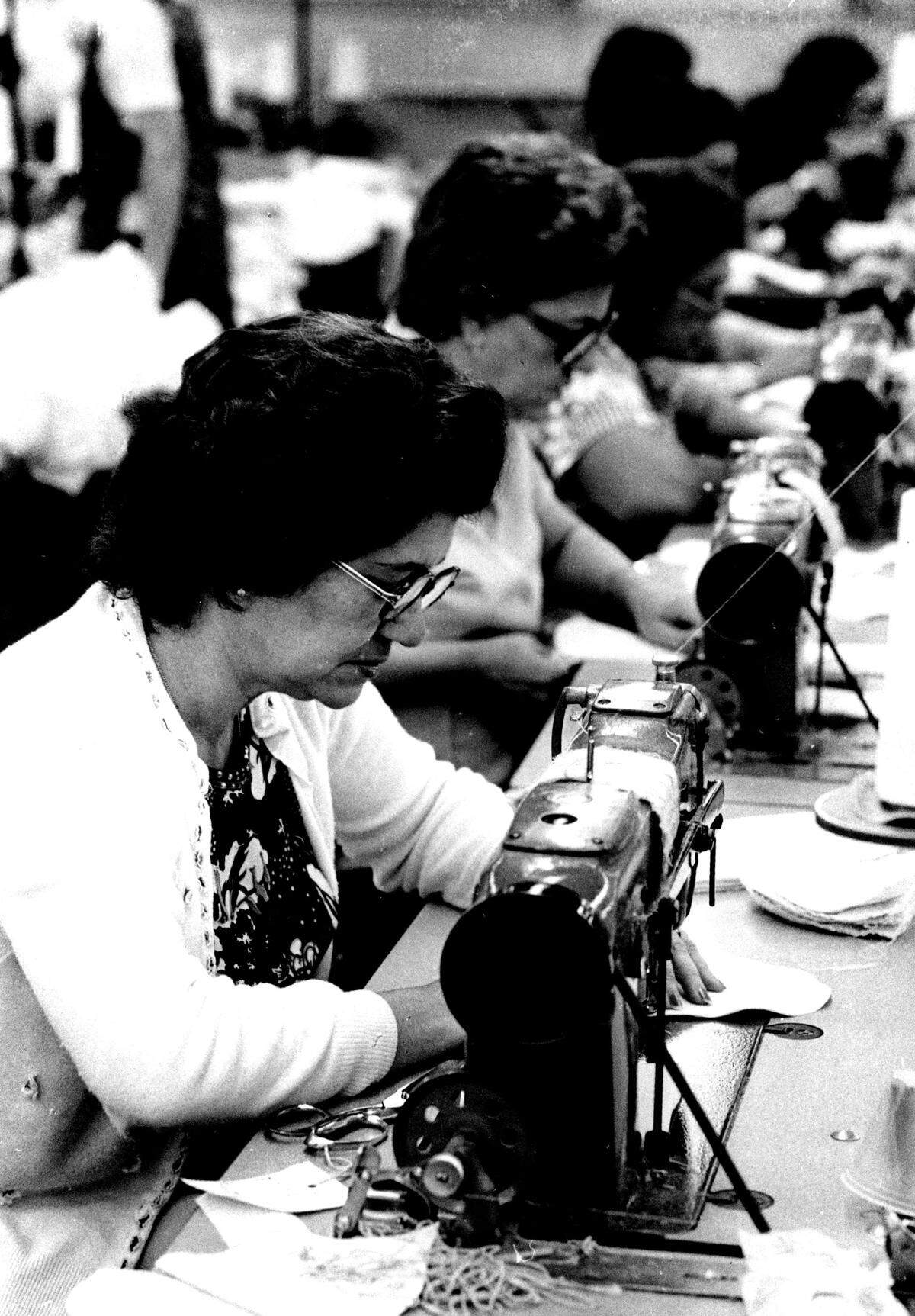
Known as the Miami Garment District and Miami Fashion District, Wynwood was home to wholesale clothing companies, warehouses, discount shops and textile manufacturing plants. It drew customers looking for a good deal on suits and dresses, as well as retailers buying wholesale for their stores.
MORE: A slice of old Miami is closing shop in Wynwood. How it found fame by ‘calling all men’
Most of that world has disappeared as Wynwood reinvented itself into one of Miami’s most trendy neighborhoods, but several remnants from the day survived the evolution. One of the best-known men’s clothing stores, Austin Burke, on the Wynwood-Allapattah border at Northwest 26th Street and Sixth Avenue, closed just last year
Miami is a city of change — and nothing shows that more than Wynwood. The fashion area bloomed in the 1960s and ‘70s and survived the ‘80s and ‘90s.
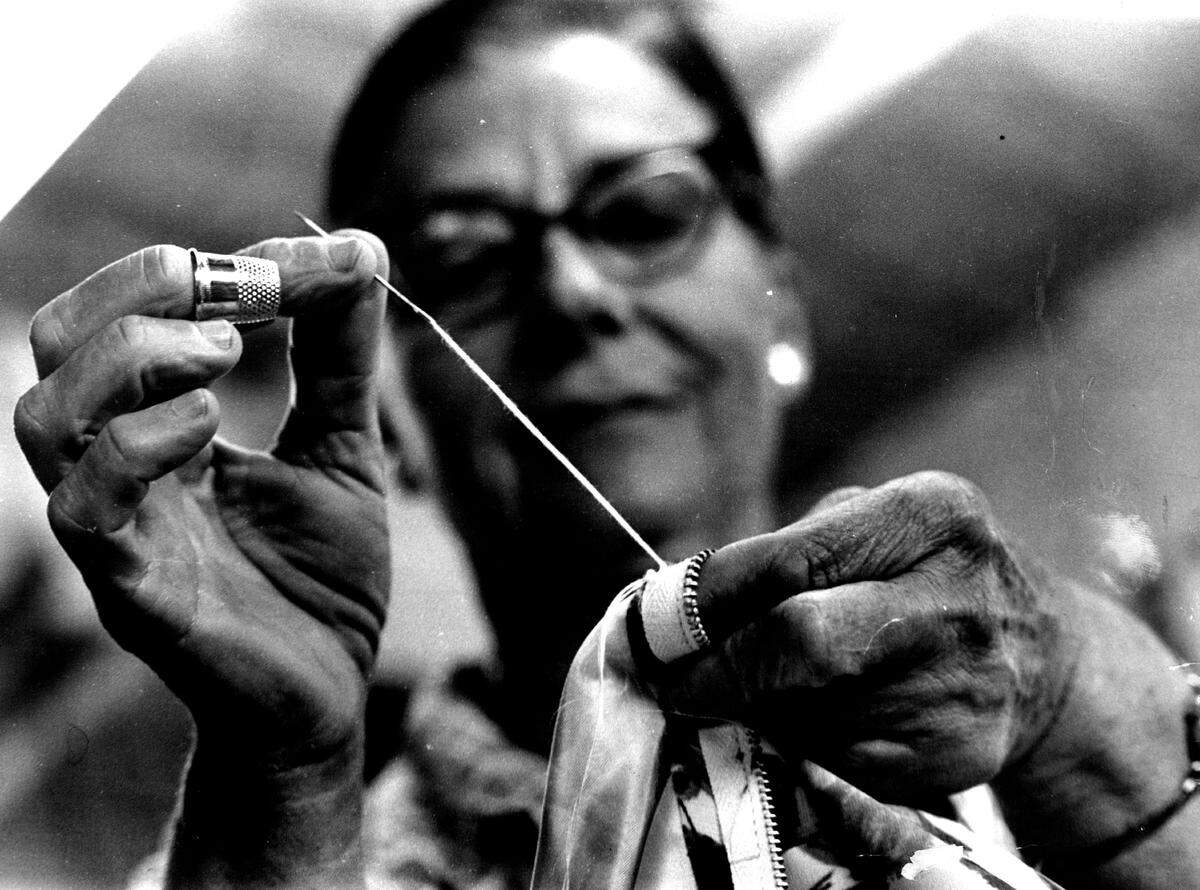
So, let’s go back in time with the Miami Herald archives to see what the area looked like when it was best known for clothing. The below report is from 1996, and the photos span the decades.
Miami’s fashion world
Published June 5, 1996, by Elinor J. Brecher
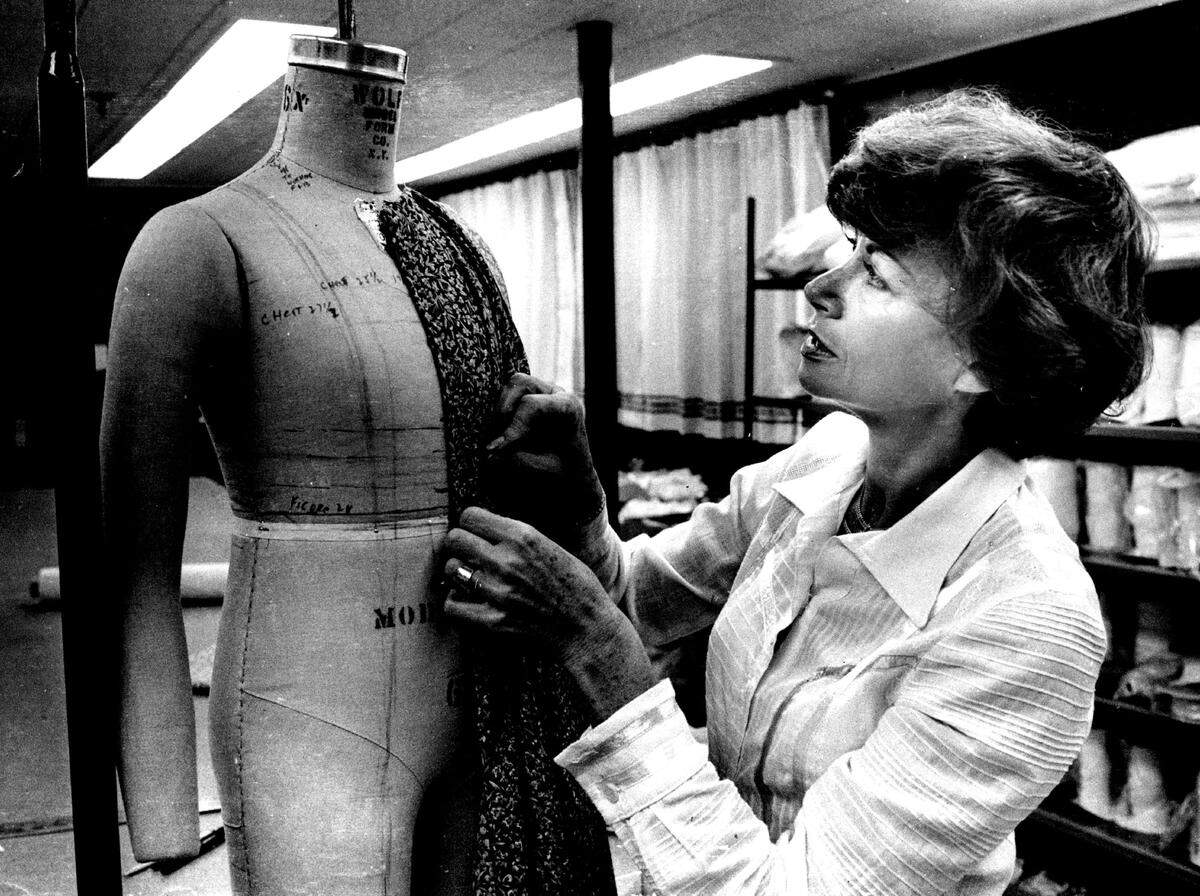
The labels might seem unfamiliar, names like Pola, Explosion, Clarissa, Monaco Star, Zoompy and Passion Francais.
The prices probably seem impossible: 100% linen dresses for $30. The latest Gucci-look flared slacks for $18. Sequined evening gowns for $75.
It’s the Miami Fashion District, where you probably can’t try it on, but you sure can get a deal. Here you’ll find the kind of clothes carried in discount department stores and budget-to-moderate-priced mall shops, at even lower prices.
The district, at least the section of interest to retail shoppers, consists of about 35 stores on or near Northwest Fifth Avenue, between Northwest 24th and 29th streets in Wynwood, including the 17-space Fashion District Center complex at 2750 NW Third Ave.
Apparel factories — dresses, sportswear, shoes, handbags — occupy most of the rest of the district, which is more a state of mind than an area defined by surveyors, bounded by North Miami Avenue, I-95, Northwest 22nd and 29th streets.
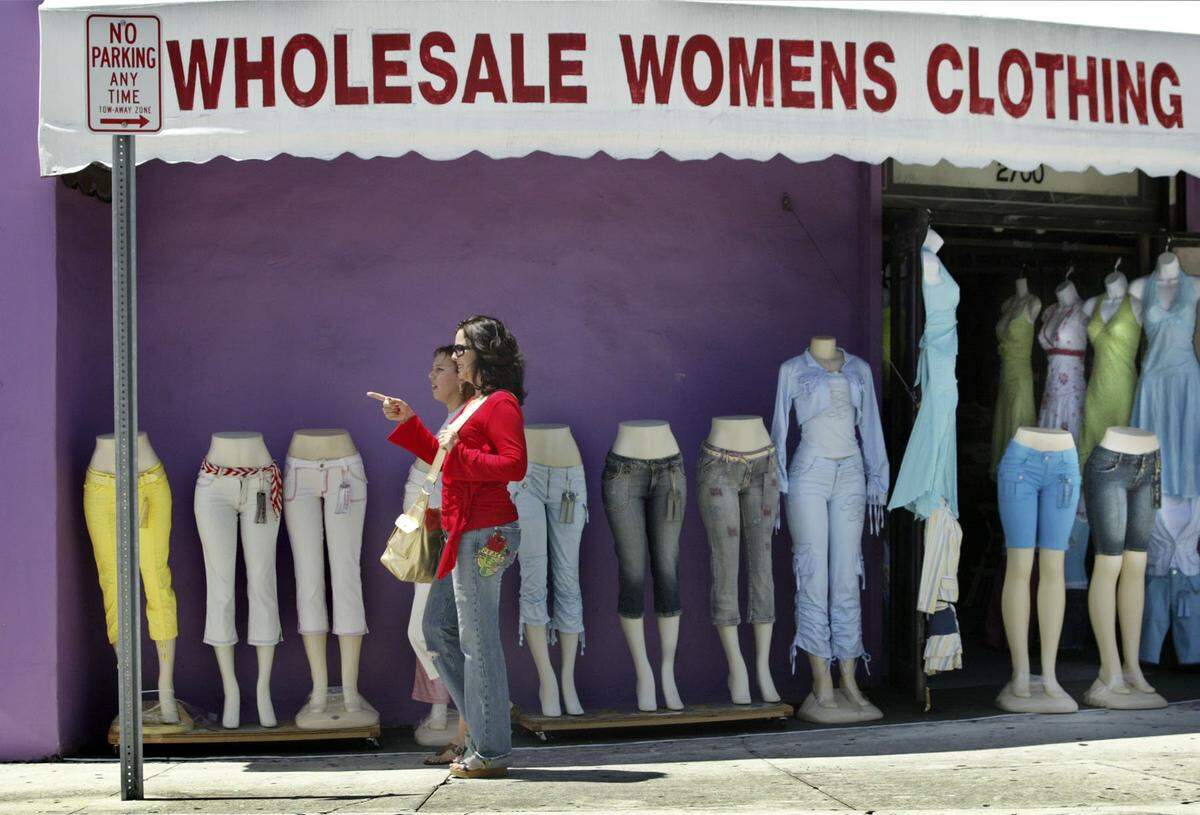
Most of the district’s merchants don’t advertise to retail shoppers, so unless you’ve stumbled on it serendipitously, heard about it through friends, or live in the area, you probably don’t know it exists.
A few weeks ago, for example, Marchete Seay wandered in for the first time. Even though she has been teaching business courses at nearby Miami Jackson High School, on Northwest 36th Street, for two years, she said she had never been in the district.
“I usually shop boutiques,” said Seay, who was exploring summer job possibilities for her students, “but I plan on going back (to shop). I mentioned it to some of my students who live in that area, and they say that’s where they do a lot of their shopping.”
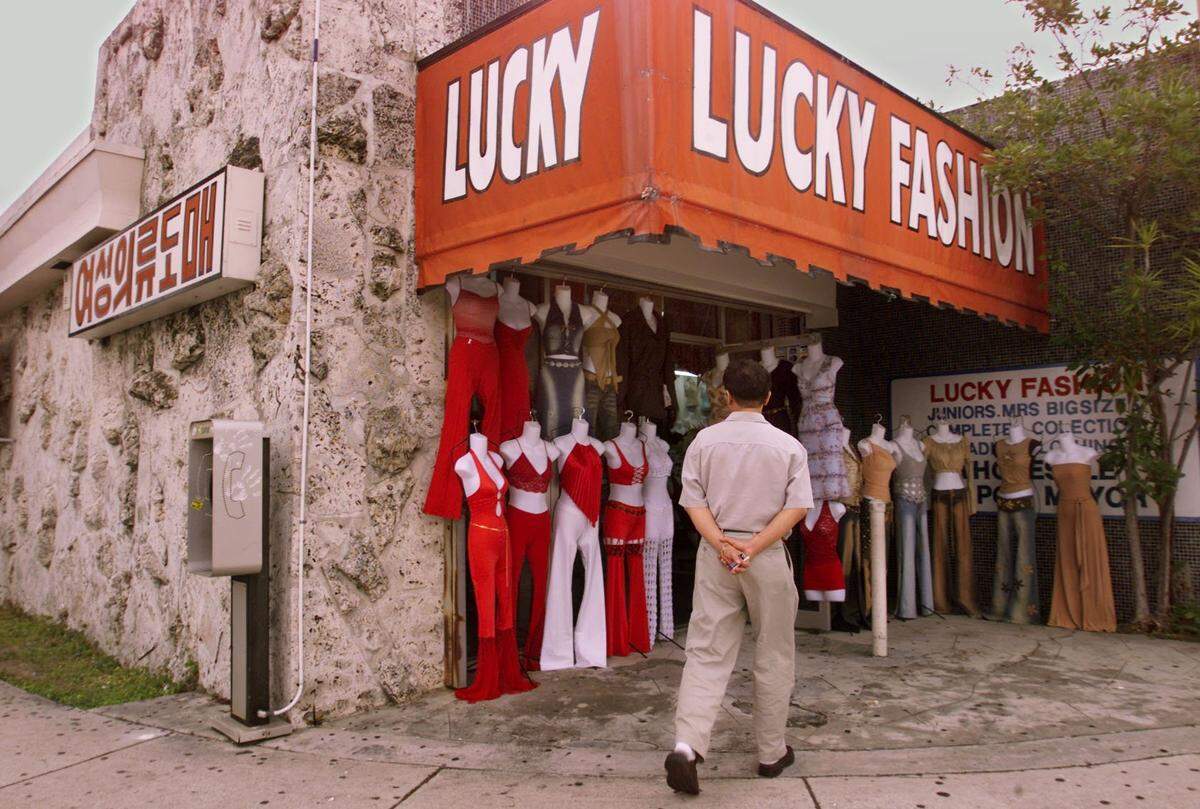
Most customers to the district are importers, exporters and retailers doing their wholesale buying. Overwhelmingly, they come from Latin America and the Caribbean, but some journey from as far away as Africa, according to Wo Lee, spokesman for the Miami Korean-American Wholesalers Association.
Lee, whose family operates three businesses in the district, said that 90 percent of the merchants are Korean.
Brian Oh recently opened a women’s store called Fashion Rainbow, at 2504 NW Fifth Ave.
Oh, who used to have a jewelry store at Pembroke Lakes Mall in Pembroke Pines, made the switch because “there is not enough traffic on weekdays, and I didn’t want to stay from 10 a.m. to 9 p.m. seven days a week. It is too much.
“There’s a lot of traffic here. The vendors are all Korean, and I knew them. The Korean community is a small one.”
Last year, Han Lee, who used to own Tom’s Shoes in Fort Lauderdale, opened New Connection at 2503 NW Fifth Ave. He said he was attracted by the moderate rents.
The father of six daughters, three of whom work at the store, he said, “My daughter (Helen) graduated from fashion design school and wanted to get into the business, so I said, ‘Let’s do it.’ We cannot think of a mall. Here the land is low.”
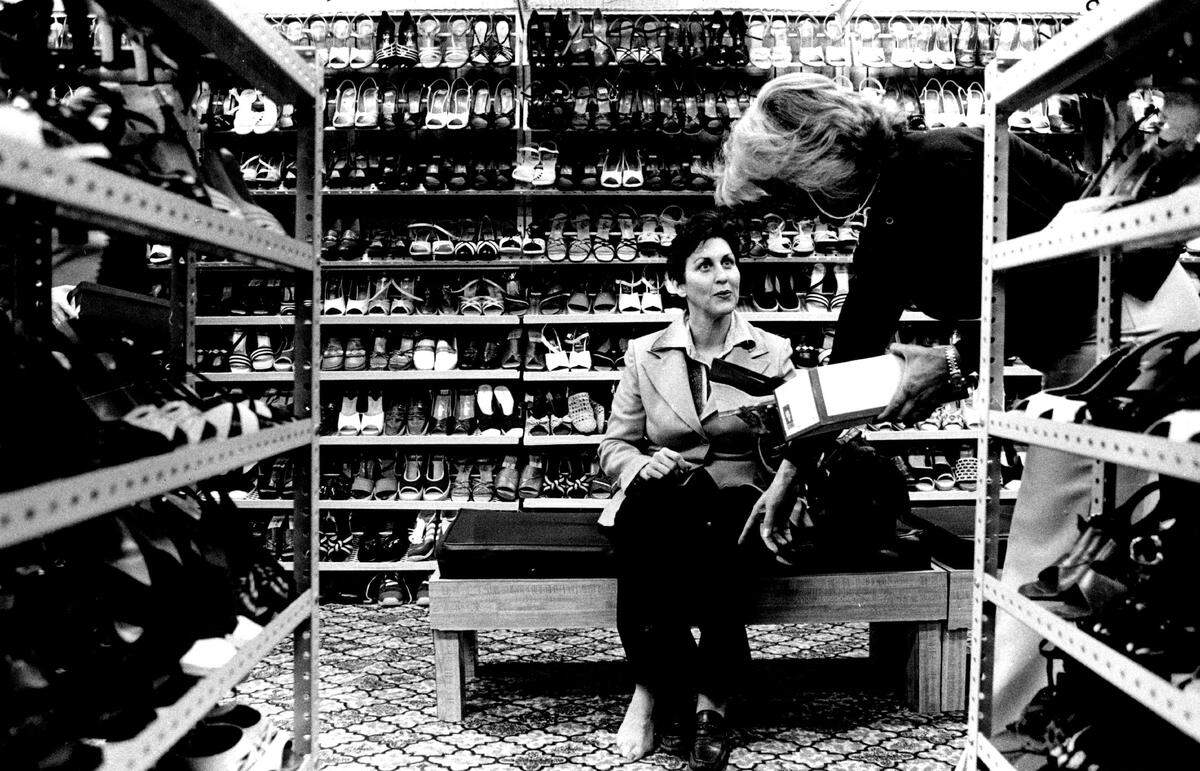
Shopping the district takes a bit of getting used to.
First, there’s the matter of figuring out which stores sell to the public. About 30% of the shops do, Lee says. Most are open 9 a.m. to 5 p.m., weekdays, give or take a half hour.
USA Clothing, in the Fashion Center, sells to the public all week. The store carries some name-brand jeans, such as Guess? and Calvin Klein’s CK, as well as a big selection of the latest budget sportswear, accessories, hair goods and cosmetics.
The CK jeans run $25 wholesale, $35 discount.
Some stores sell wholesale exclusively during the week, and “wholesale to the public” on Saturdays. Others claim they don’t sell to the public at all, but just maybe, if you really want something badly enough and plead your way into the clerk’s good graces, you’ll be able to buy it.
Sometimes, Wo Lee said, merchants who’d rather stick to large wholesale orders want to get rid of leftovers, and will sell a single garment at wholesale prices. Others: No dice.
Wholesale shoppers with state Department of Revenue licenses don’t pay tax, Wo Lee explained. Neither do foreigners who present visas, business licenses and business cards.
Retail shoppers do pay tax, as well as prices somewhere between wholesale and discount, depending on the kind of deal you can make. Few garments carry a price tag.
Luis Carrasquillo, Wynwood-Brownsville Neighborhood Enhancement Team administrator, said he has been pushing for more retail selling, but that merchants are reluctant “because you need more employees. Their profit margins are low, but with retail, they can make more money.”
In addition, “they are concerned about competing with their own customers,” some of whom sell their goods in South Florida.
The district’s attraction, of course, is economy, and up- to-the-minute style. Current-season dresses — most from New York or California-based manufacturers — run $20-$50, with tops, shorts, skirts, slacks and children’s wear as low as $5.
Right now, the stores are crammed with floral and fruit-print summer sheaths, as well as ankle-length denim dresses.
Then there’s the matter of fitting rooms. With a couple of exceptions, the stores don’t have them. You buy it, it doesn’t fit, you’re probably stuck with it.
No refunds, no exchanges, no credit, again with exceptions: Some stores permit size exchanges for the identical style, and a handful issue store credits, such as Posstal, at 2818 NW Fifth Ave. There’s little to speak of in the way of decor in the shops, just row upon row of clothing racks. Sizes are mostly standard. A few stores carry “plus” fashions, though it’s nearly impossible to find petites.
As for dining, there are pushcarts, and the Oasis Cafeteria in the Fashion District Center. It offers fruit shakes, burgers and ethnic specialties.
There is heavy security: A visible presence of Miami police cruisers during the day, with extra late-afternoon patrols financed by some of the merchants. Most parking is at meters.
Small children are unwelcome in many of the establishments. Signs to that effect are posted right alongside the ones that say “No Smoking,” and “Cash, credit cards, travelers checks. No personal checks.”
At the high end in the district and its environs are three men’s “designer” warehouses — Fashion Clothiers, Austin Burke and Peter Kent, as well as Dorissa Children’s World.
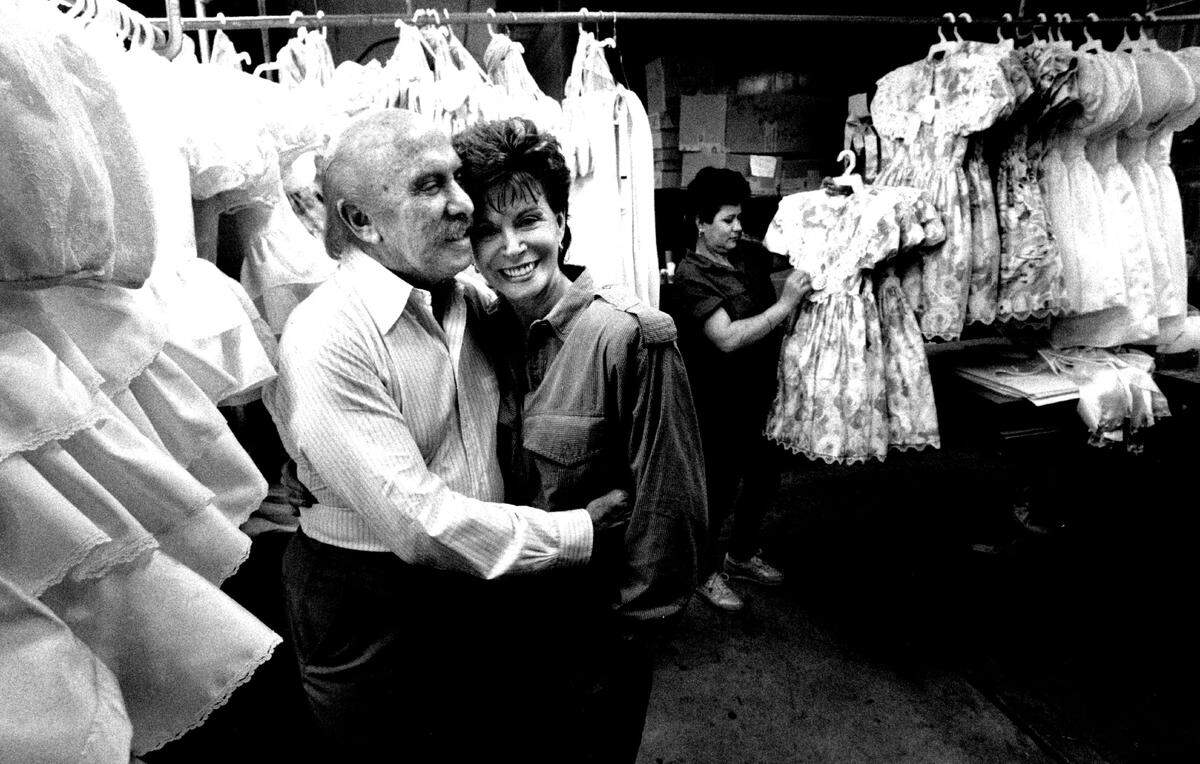
Kids are more than welcome at Dorissa, which has dressing rooms, a private parking lot, and a secure play area in the store with blackboards and videos. It carries current-season girls’ dresses under the company’s Nicole label, also carried by major department stores.
The district’s fortunes have waxed and waned in the 32 years since Shelly Bloom’s father, Nat, opened Fashion Clothiers at 2650 NW Fifth Ave., the first store in what would become the district.
Bloom sells suits, shirts, ties and shoes, mostly well- known labels, at deep discount. Versace sportswear is half the retail cost, including jeans at $99. High-end suits from Armani, Hugo Boss and Ermenegildo Zegna, tagged near the $1,000 mark at the mall, here two for $895.
Bloom said that he and the other menswear stores, all of which offer free alterations, “cut up the pie:” downtown lawyers and businessmen.
“We’re 10 minutes from Brickell,” he noted.
In an office adorned with a replica of a Renaissance tapestry, copies of Remington bronzes, and charcoal portraits of his parents, Bloom recalled the area’s early days.
“It was all local in the ‘60s,” said Bloom, 58, a former court reporter. “What brought people here was that the manufacturers opened (for the public) on Saturdays. It was thriving in the ‘80s because of the Latins.”
“Anybody who was anybody had a store there,” said Luis Carrasquillo. “Now it’s geared to lower-priced items.”
The boom went bust, and in the early 1990s, Koreans began moving in.
“It was not easy for immigrants to make a living when I came 12 years ago,” said Wo Lee, a 1990 graduate of Miami Christian College who helped organize the merchants’ association in 1993. “My brother-in-law had a store. I saw this area was very bad. Very dangerous. Now I have three properties.”
Lee’s brother-in-law, Eung Cheol Bae, owns a women’s store called Mapsi, at 2801 NW Fifth.
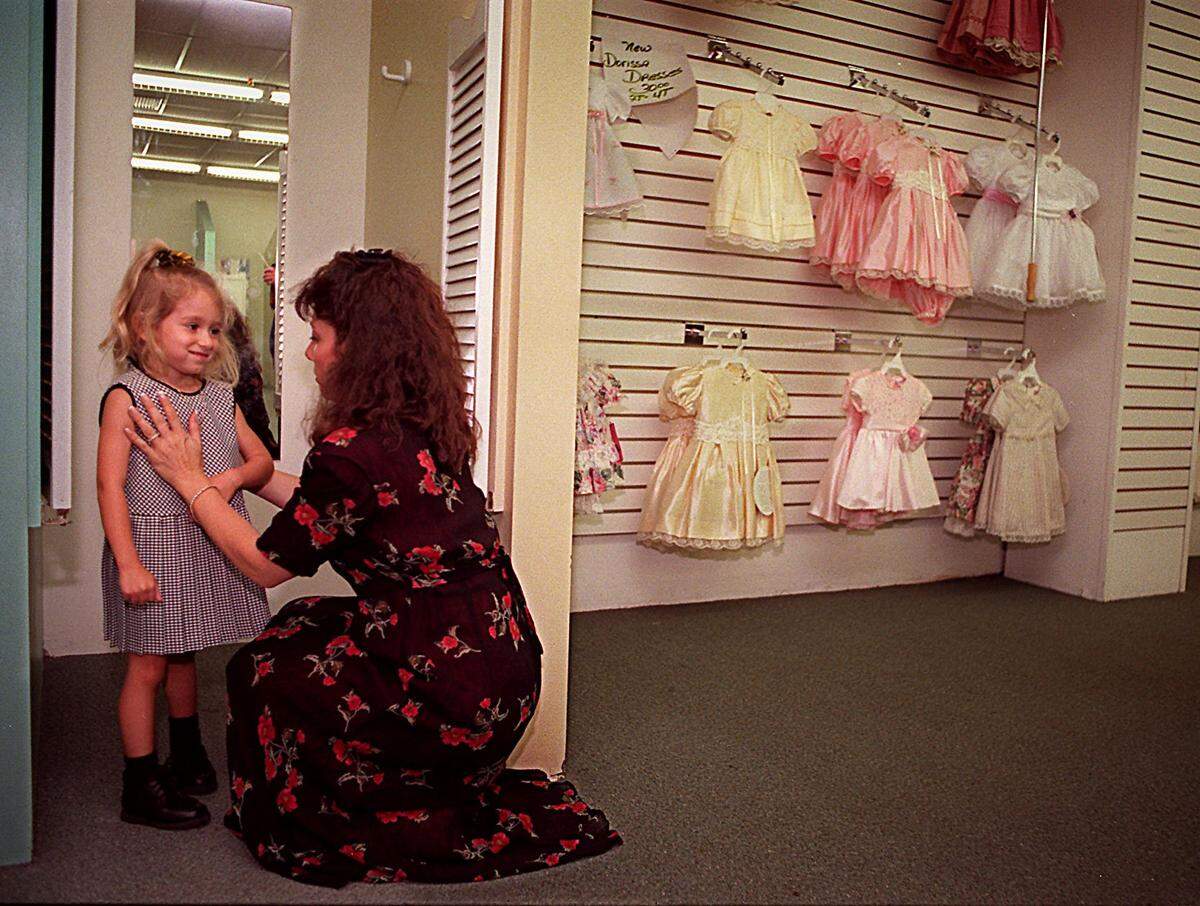
Mickey Schwalbe, who with relatives owns Dorissa of Miami at 2751 N. Miami Ave., opened a full-service retail Dorissa children’s store 15 years ago but streamlined last year to mostly dresses.
Schwalbe said that certain regular customers have been coming to the district store for years.
“Service is better,” she said. “We get to know the customers and what they like.”
Looking back at the old Wynwood
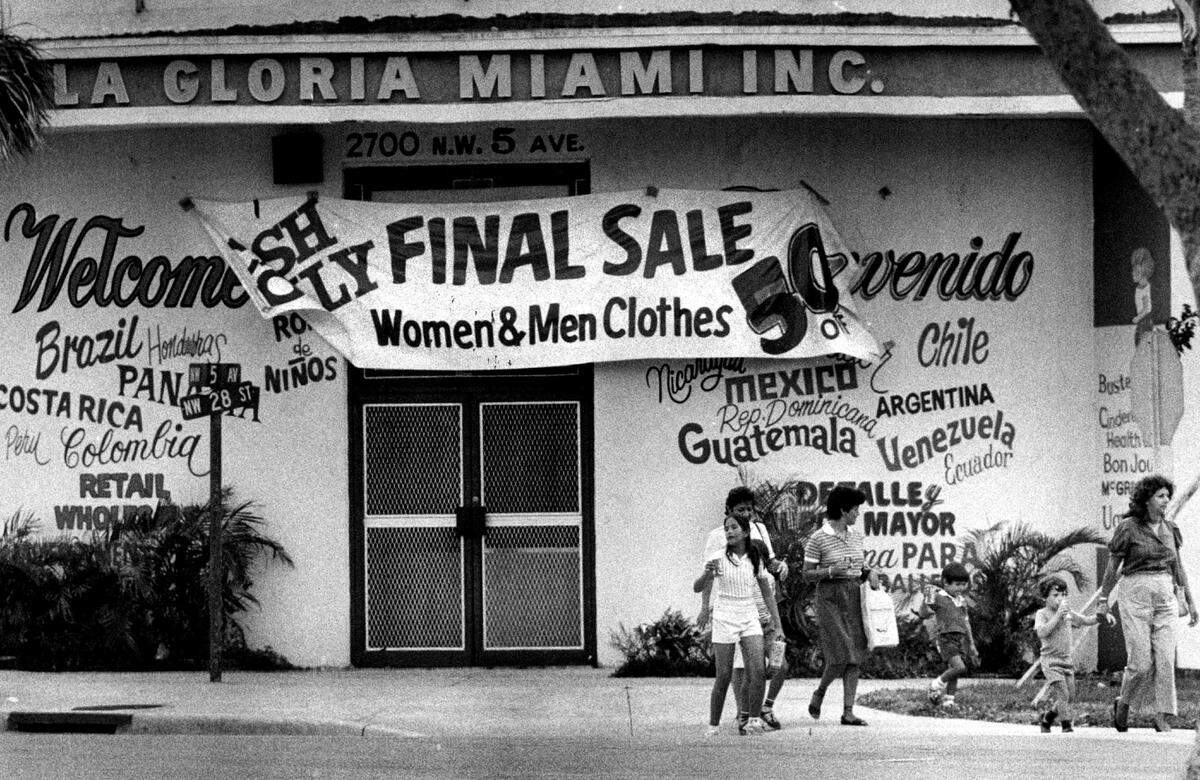
.JPG "1-09212012-10000192AA (1).JPG")
This story was originally published January 13, 2026 at 12:14 PM.