
Miami-Dade’s housing push: Thousands of garage apartments, taller buildings near transit
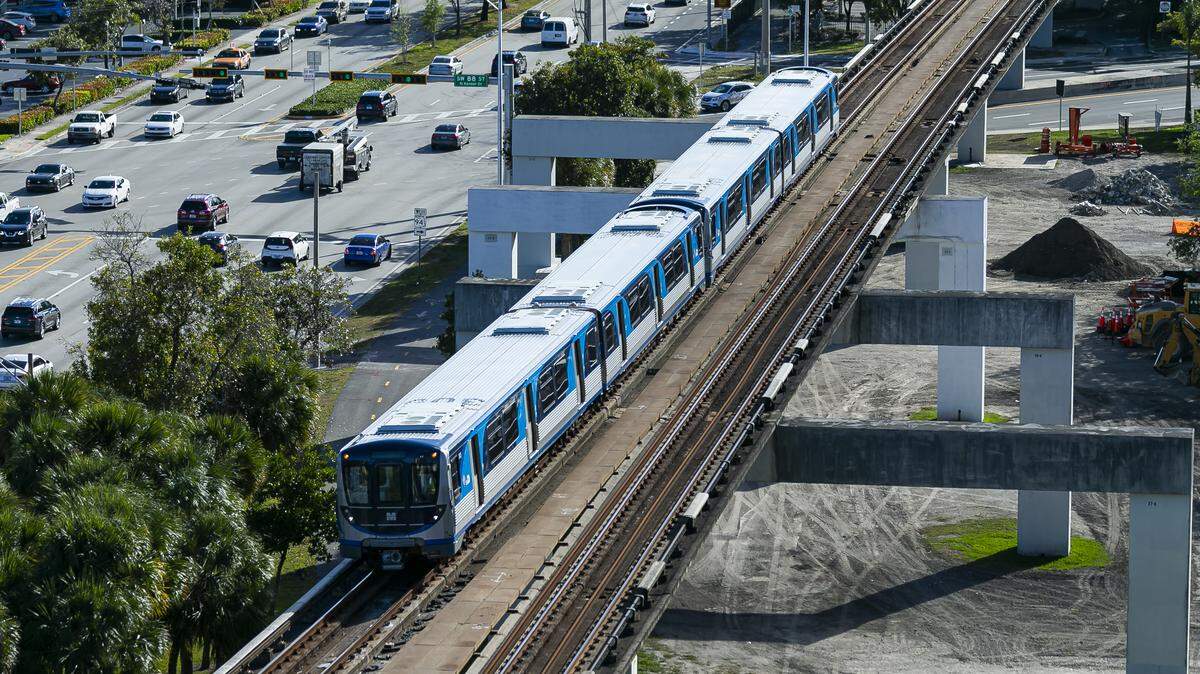
To ease housing prices, Miami-Dade County plans to let more apartment buildings go up near primary transit routes in cities and allow thousands of people to create apartments in their houses in the suburbs.
Two major rewrites of county zoning rules advanced Thursday. County commissioners gave final approval to legislation directing municipalities to allow more residential construction near the county’s rapid-transit systems. They also took a preliminary vote on allowing homeowners to create small apartments or cottages on their properties.
“I promise you that doing the exact same thing will not solve the problem,” Oliver Gilbert, the board’s vice chair, said ahead of passage of his transit-zoning legislation.
READ MORE: Miami-Dade plan for more housing next to public transit seeing backlash. Here’s why
Gilbert’s legislation passed on an 8-3 vote, with Commissioners Sally Heyman, Danielle Cohen Higgins and Kionne McGhee voting against it.
Commissioner Joe Martinez, arrested Tuesday on felony charges tied to alleged corruption, did not attend Thursday’s meeting, writing in a letter to Chairman Jose “Pepe” Diaz that he “did not want to cause disruption” by being there. Commissioner René Garcia also missed the meeting.
The vote on Gilbert’s rapid-transit zoning followed more than a year of negotiations with city leaders who resisted mandates to let developers build more housing.
Gilbert weakened some of the legislation’s early requirements for cities, which will now have a two-year deadline to revise local rules to allow for more construction within a half-mile of routes that are part of the county’s SMART transit plan.
That includes the entire Metrorail line, the 20-mile busway that runs through South Miami-Dade, and proposed rail and rapid-transit bus extensions to South Beach, Miami Gardens and along the 836 expressway.
The legislation also has new rules that take effect immediately to allow developers to build taller buildings if they agree to cap some rents and home prices at levels considered affordable for the average Miami-Dade resident.
Here’s a look at the two ordinances aimed at increasing housing in Miami-Dade:
New Miami-Dade zoning law would allow garage apartments, backyard rental homes
This legislation by Commissioner Raquel Regalado still needs a committee hearing and final vote. If passed as written, it would mean a sweeping change from existing county rules barring homeowners from creating rental units on their properties.
Under the proposed law, more than 100,000 homes are expected to be eligible for creating an efficiency apartment that could be rented out long-term. The rental unit could come from converting existing space into separate living quarters, such as making a garage into an apartment. For a house with a large enough backyard, an owner could build a separate cottage available for rent.
The proposed rule change only affected Miami-Dade zoning rules in effect outside of municipal limits, since cities set their own regulations for home renovations. County zoning districts represent about half of Miami-Dade’s homes, and make up what’s called the Unincorporated Municipal Services Area.
Nathan Kogon, who oversees zoning issues for Miami-Dade’s Regulatory and Economic Resources Department, said the majority of houses under county zoning probably have the space to build a small one-story house on their property under the proposed legislation. “For the most part, a lot of these homes have room to grow,” he said.
Under the proposed rules, new separate living quarters — formally called an “accessory dwelling unit — would be treated the same as if a homeowner was building a gazebo or backyard shed.
There are some parking requirements, and yearly paperwork designed to bar homeowners from creating illegal short-term vacation rentals with their new residential units.
An immediate impact could be giving a chance for homeowners to bring existing long-term rental apartments into compliance since the uses would be allowed for the first time under county zone code. Some cities, including Miami, already have similar rules allowing for extra residential units on a single property.
Regalado said she’s expecting the new rules to make living more affordable for both the tenants and the existing homeowners facing higher costs on insurance.
“If you can have your home create a little bit of income,” she said, ”it’s easier to stay in Miami-Dade County rather than to sell.”
Miami-Dade passes rapid-transit zoning law to build more housing near Metrorail, bus routes
In the spring of 2021, Gilbert faced a revolt when he proposed mandated Miami-Dade zoning rules for all transit corridors running within city limits. But he tamped down most opposition to his original plan by shifting the legislation to let municipalities come up with their own transit-zoning rules to allow mid-rise buildings near public transit in areas that don’t encroach on single-family neighborhoods.
“The cities said to trust them,” Gilbert said. “So we said: ‘We trust you.’ ”
Some municipalities still fought the legislation. Miami sent a letter to commissioners Thursday asking for a delay of the vote. Cohen Higgins and McGhee both asked for their South Miami-Dade districts to be exempt from the new legislation because of resistance from municipalities they represent, including Homestead and Palmetto Bay.
Cohen Higgins said the zoning rules cover so much land — more than 45,000 acres — that carving out some reluctant areas should be allowed. “It’s not a Rapid Transit Zone,” she said. “It’s our entire county.”
The legislation creates a Rapid Transit zoning area that tracks all six corridors in the SMART Plan, including on Kendall Drive. Much of that area already allows developers to build more under similar rules adopted in 2020 for transit corridors outside of city limits.
Gilbert’s legislation expands an existing workforce-housing requirement in areas near Metrorail stations to the entire transit zone, with at least 13% of new apartments priced to be affordable for buyers earning less than $100,000 a year.
Commissioners who voted with Gilbert praised the legislation as meeting the county’s housing crisis.
“We have to be bold,” Commissioner Jean Monestime said.
This story was originally published September 1, 2022 at 7:06 PM.