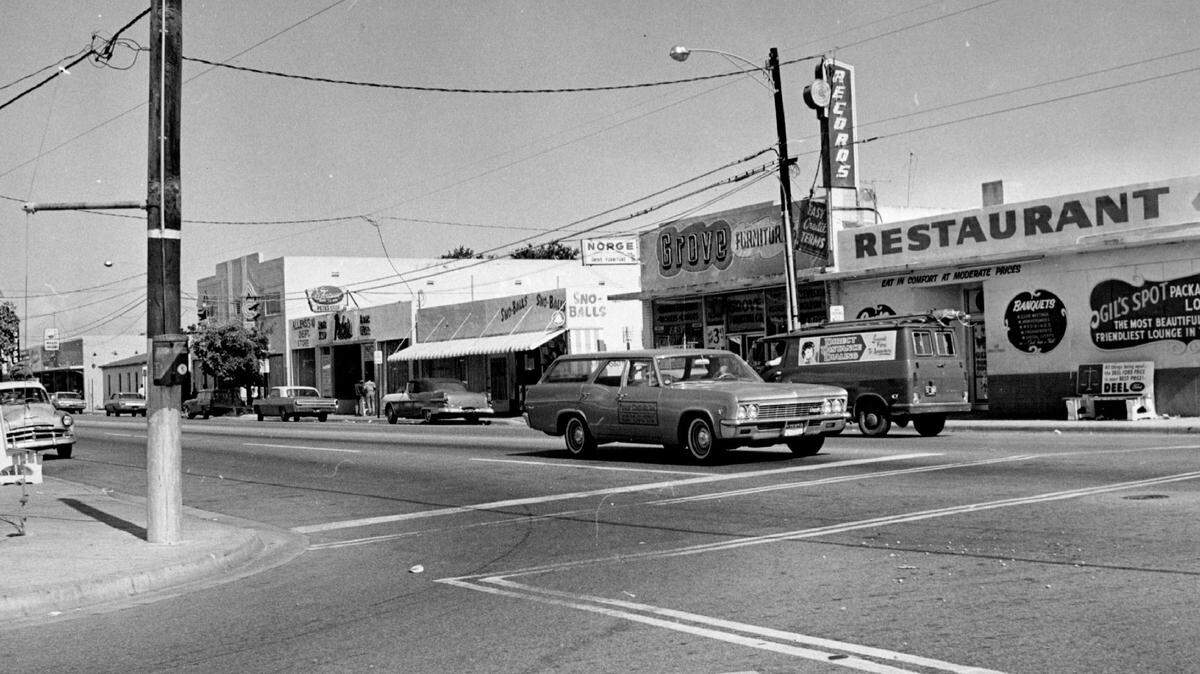
Plan to divert taxes for preserving historic West Coconut Grove has been shelved
READ MORE
On the brink
Historic West Coconut Grove, part of Miami’s foundation, fights to save what little is left of its Black heritage.
Expand All
Piece of original Miami endangered: West Coconut Grove’s Black history slipping away
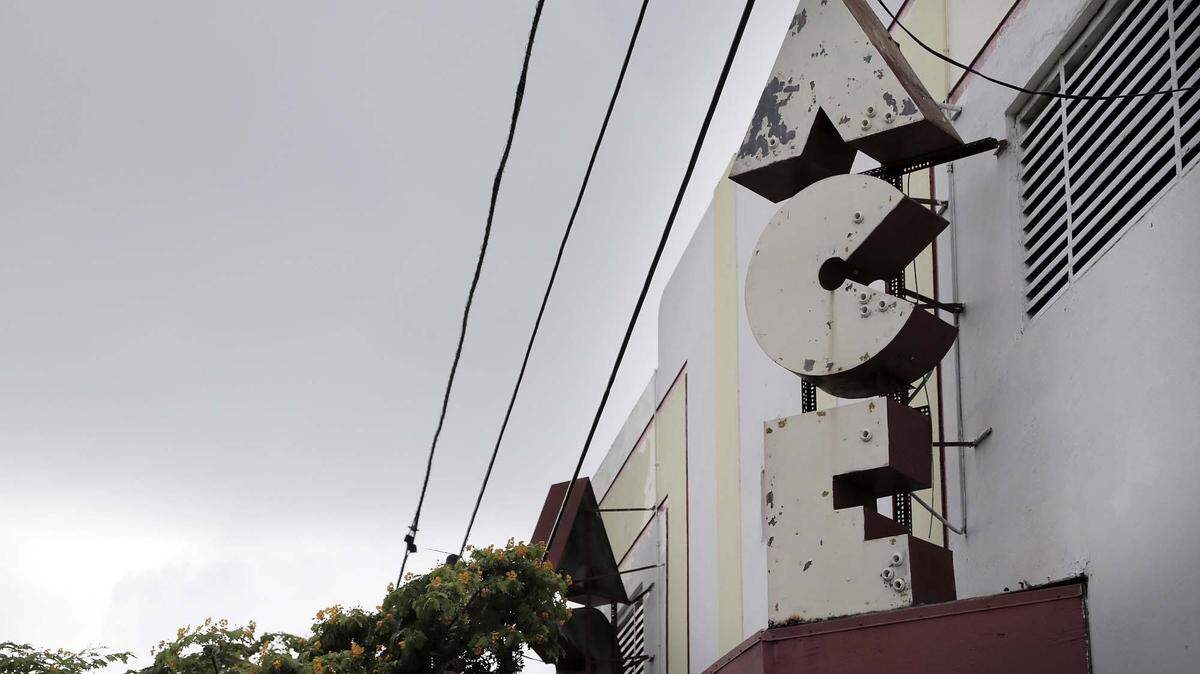
West Coconut Grove losing Black heritage. Stalwarts persist to build on 130-year legacy
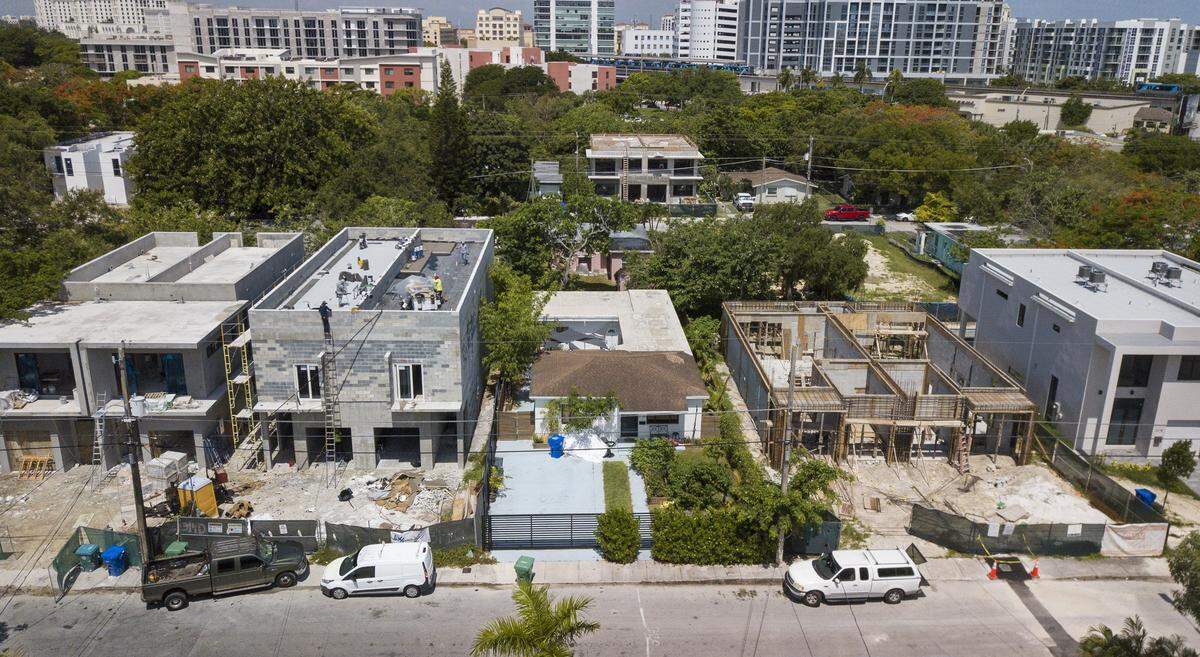
History bulldozed as charming Coconut Grove homes replaced by giant concrete cubes
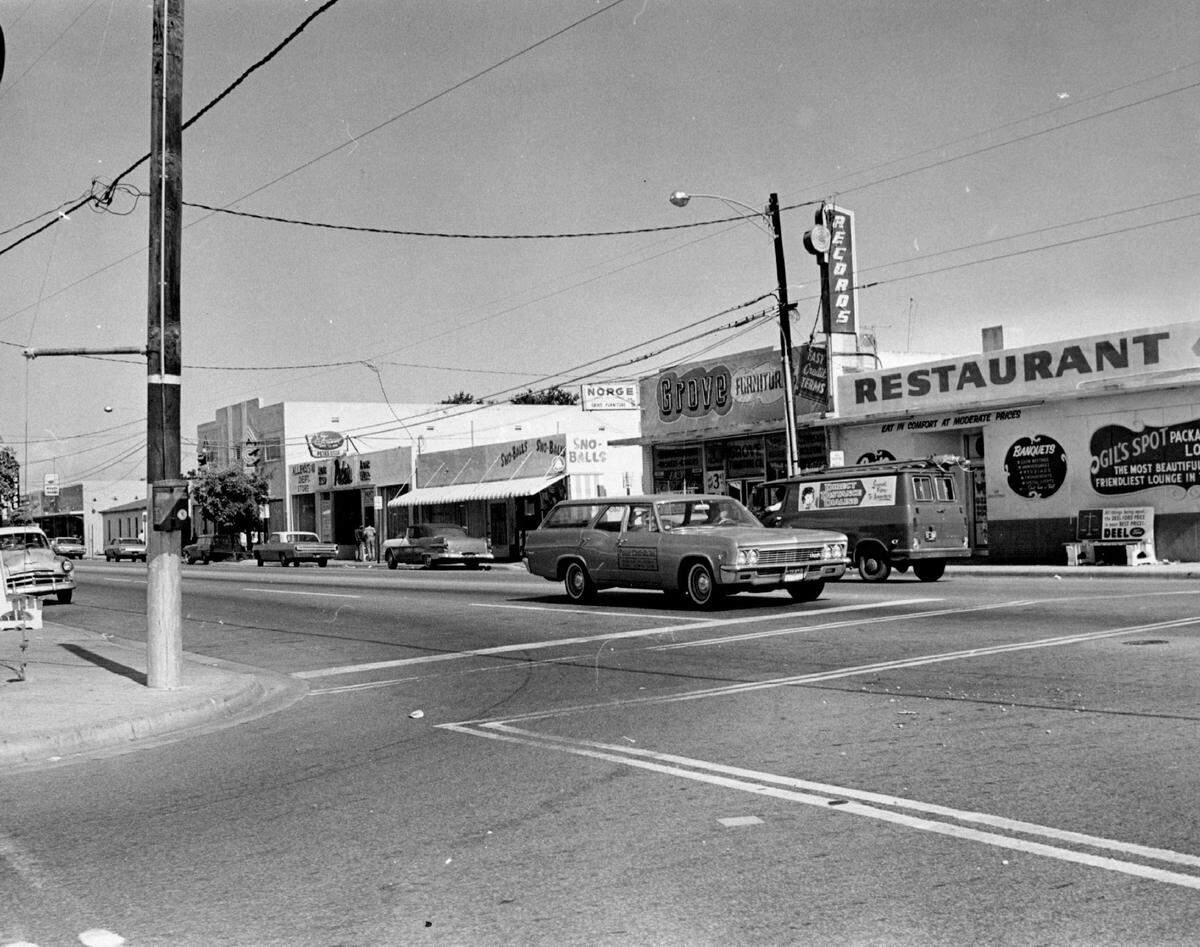
Photo Gallery: West Coconut Grove past and present
After years of slow progress, a plan to create a new community redevelopment agency and divert future tax revenue toward preservation of West Coconut Grove, a historically Black neighborhood that is one of the oldest in Miami, has been upended.
For some living in the area that was established by a mix of Bahamian immigrants and African-American Southerners, the change in direction makes the future of the West Grove even more uncertain as gentrification threatens to keep displacing longtime residents and transform the character of an enclave with a rich Black heritage. Critics argue the plan was a flawed approach that would not have generated funds fast enough to quickly build affordable housing.
Efforts to set up the West Grove Community Redevelopment Agency (CRA) have hit a roadblock at the Miami-Dade County Commission, where one more vote is necessary to fund the agency. The county commissioner whose district includes the Grove, Raquel Regalado, does not support the plan. Her opposition effectively scuttles a years-long effort by Miami City Commissioner Ken Russell, who also represents the Grove and said he believes a CRA would allow the city to promote construction of more affordable housing.
After Miami commissioners approved the creation of a West Grove CRA in March 2021, the plan needed one more County Commission vote on the financial arrangement that would have sent future tax revenue to the agency to help poverty-stricken areas. Dollars that would normally go to a larger pool of funds that pay for police and other public services would be set aside for an autonomous municipal agency to spend on projects such as affordable housing.
Without Regalado’s support, the plan is likely stalled indefinitely. She said the proposal would take too long to collect the funds necessary to build affordable housing and combat gentrification.
“A CRA can be a good tool in some areas to address housing, jobs and infrastructure, but it takes many years to build up enough tax increment to fund projects that will make a real difference,” Regalado said in a statement. “I don’t think we have that kind of time. You can see the march of the sugar cubes on almost a weekly basis,” she said, referring to the newer structures.
Instead of a CRA, Regalado favors using county-owned land and proposed a zoning process to more quickly develop housing. The County Commission is considering “rapid transit zone” legislation that would allow the county to increase density in areas near transit stations, such as the West Grove.
“The [rapid transit zone] changes will allow the county to rezone property it owns within the rapid transit corridor to allow for more density with an affordability requirement,” Regalado said.
READ MORE: Piece of original Miami endangered: West Coconut Grove’s Black history slipping away
Russell disagreed with Regalado, and argued that the West Grove could borrow money now based on the projected increases in tax revenue that would fund the agency.
“For them to pull the rug on this community at the eleventh hour is a disgrace,” he said.
A longtime expert on CRAs said Russell’s approach wouldn’t work because of the risk associated with lending money to a brand new tax-funded agency with no track record. Frank Schnidman, a retired professor of urban and regional planning at Florida Atlantic University, told the Miami Herald that the CRA would struggle to secure financing if it wanted to use available methods to borrow money with the obligation to pay the debt with future tax revenue. If the trust fund set up to collect the CRA taxes is at least one year away from receiving its first funds, Schnidman said, then lending institutions will balk.
“No bank is going to give you money on the anticipation that the trust fund is going to get money next year,” Schnidman said. “It’s got to be getting money now.”
Linda Williams, a lifelong Grove resident and activist, said she and her neighbors spent years learning how CRAs worked and urging city commissioners to back the concept. In 2019, she and several of her neighbors supported a push to expand the boundaries of the longstanding Omni CRA so it would include the West Grove. The move would have put two zones about seven miles apart under the purview of one redevelopment agency, and it would have given the West Grove immediate access to the existing agency’s funds. That plan also hit a wall at County Hall.
“My question would be to the county: If not the Coconut Grove CRA, then what?” Williams said. “I don’t have a problem with ‘no,’ but I do have a problem if you don’t have an alternative.”
Regalado said another alternative would be something similar to another county program that helped fuel the redevelopment of Liberty Square, which was originally built as one the country’s first public housing projects in 1937. It is undergoing a massive overhaul through a public-private partnership between the county and Related Urban, the affordable housing division of developer Related Group.
“We can do something like that on a smaller scale with the buildings and scattered lots the county owns in the West Grove,” Regalado said.
Schnidman said the West Grove’s best chance to use a CRA as a tool to preserve the neighborhood was with the Omni CRA expansion proposal. Russell pivoted away from that idea after the City Commission approved that proposal but the county commissioner who represented the Omni area at the time, Audrey Edmonson, opposed it.
“I am disappointed that the politics did not allow the expansion of the Omni CRA,” Schnidman said.
This story was originally published July 13, 2022 at 6:32 PM.