The 44 Percent: Trayvon Martin, The Stockade & NFL discrimination
In Miami, Latino identity can shape your frame of reference and political view of the world. As a Black Panamanian, my Miami experience can sometimes differ from my peers.
There have been moments when I have encountered other Latinos in Miami who assume that I don’t speak Spanish. I often start speaking before they do, and their reactions are priceless.
I grew up in Panama before returning to the United States at the age of 11, and the experience was unforgettable. It was captivating to see people who looked like me and were seldom presented in the media. It was there that I met Black Panamanians of all backgrounds who spoke Spanish with elements of patois and often wore gold or had gold teeth. I later learned this was a way of paying homage to family members, and a result of the Caribbean impact on the Panama Canal’s construction.
When the Middle Passage of the Atlantic slave trade happened, some Black people ended up in what we now consider the Caribbean, or in Central and South American countries like Brazil, where according to the 2010 census more than 51% of the population is Black. As a result, Black people across the Americas speak languages ranging from Spanish to American English, and represent a multitude of countries.
Miami has a large Latino community, and its various perspectives have led to conflicting views. That tension could be felt throughout the city following the murder of George Floyd by Minnesota police in May 2020, when Black Lives Matter protests faced opposition from many Latino observers who considered the efforts “destructive.” Being Latino does not supersede being Black, and the local reactions to Black protests made that very clear.
Being Afro-Latino is nothing new. People like the late-Cuban American entertainer Celia Cruz awed audiences for decades. Today, musicians like Amara La Negra carry the torch. But in a city as diverse as Miami, it’s important to remember that being Black and Latino matters in a unique way.
INSIDE THE 305
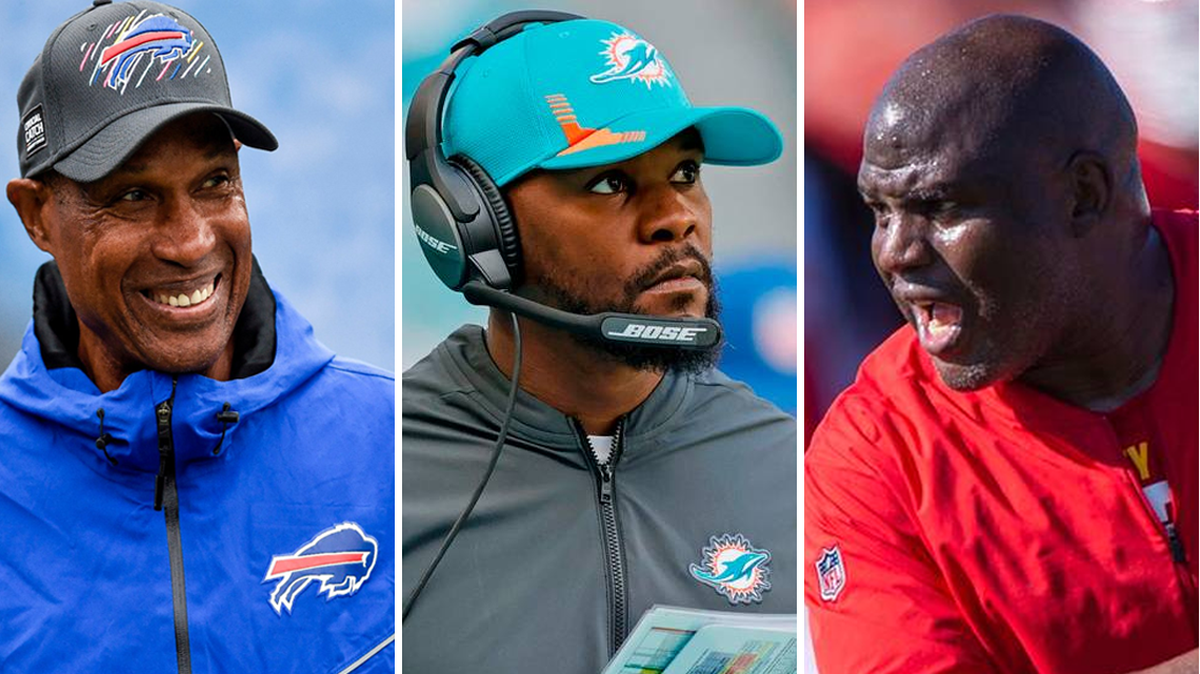
Does the NFL discriminate against Black coaches? What a Miami Herald analysis found:
The Herald team has been killing it since news of former Miami Dolphins coach Brian Flores’ discrimination lawsuit broke, but this latest piece, courtesy of our investigation team, pushed it to a whole new level. In short, experts who reviewed the Herald’s data found “indications of racial discrimination in the NFL’s hiring process for head coaches.”
I’ll leave it to you to read the rest.
Trayvon Martin should have turned 27 today. His family found some joy in the struggle.:
I’m still in shock that Feb. 26 will mark 10 years since Trayvon Martin’s murder. It seems like forever ago in light of the George Floyds, Breonna Taylors and many others who were killed by police or wanna-be cops.
Never forget this though: without Martin, there might be no Black Lives Matter, neither the organization nor the collective rallying cry. As tragic as his murder was, Saturday’s Peace Walk and Peace Talk, sponsored by the Trayvon Martin Foundation and held on his birthday, presented a much-needed opportunity to celebrate Martin’s legacy and the activism birthed from his death:
The recent news of Amir Locke, the 22-year-old Black man killed by Minneapolis police in the week whom speakers mentioned often, hung in the air like a pungent smell in a field full of flowers. Saturday, however, offered a unique window into a key tenant of the Black experience, says Kwon Aqua Etefia, the founder of Youth Concept Gallery.
“The struggle is art,” said Aqua Etefia whose organization teaches youth about the power of art. “We coming from a culture and a demographic that knows how to turn s---- into sugar. That’s art within itself.”
Miami-Dade’s long-shuttered Stockade jail was used as a sick ward amid omicron:
I spent the better part of the last two weeks fielding calls from people booked into the Stockade. What I heard — from allegations of frigid cold temperatures to inedible food — rocked me to my core.
If true, one cannot even begin to imagine the conditions that prompted the 2011 Department of Justice investigation into Miami-Dade Corrections and Rehabilitation.
OUTSIDE THE 305
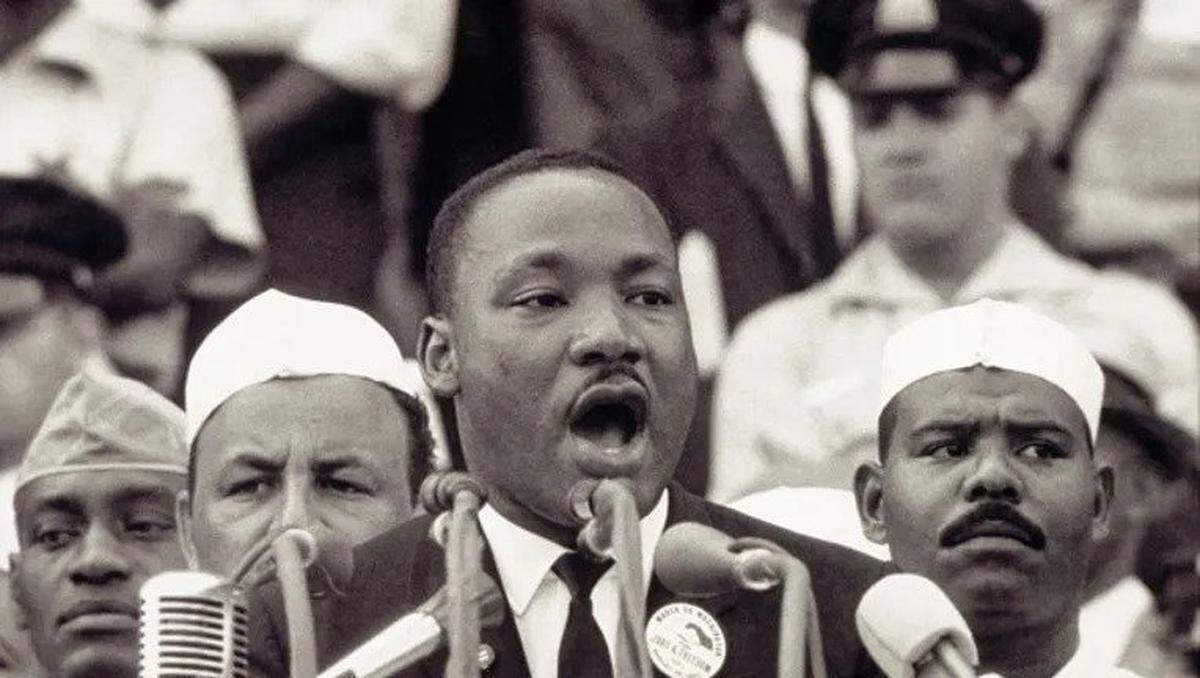
“The MLK Tapes” podcast unravels plot to kill Martin Luther King, Jr.:
Here’s a fun fact that you might not know:
James Earl Ray was more than likely framed for the assassination of Martin Luther King, Jr.
Before you call me crazy, listen to the “The MLK Tapes,” a new podcast that explores the plot to kill King. I always believed Ray, motivated by pure hatred, acted alone. It took just one episode for me to begin questioning everything. Take a listen and if the revelations aren’t eye-opening, blow up my email. No seriously, I want to hear why.
HIGH CULTURE
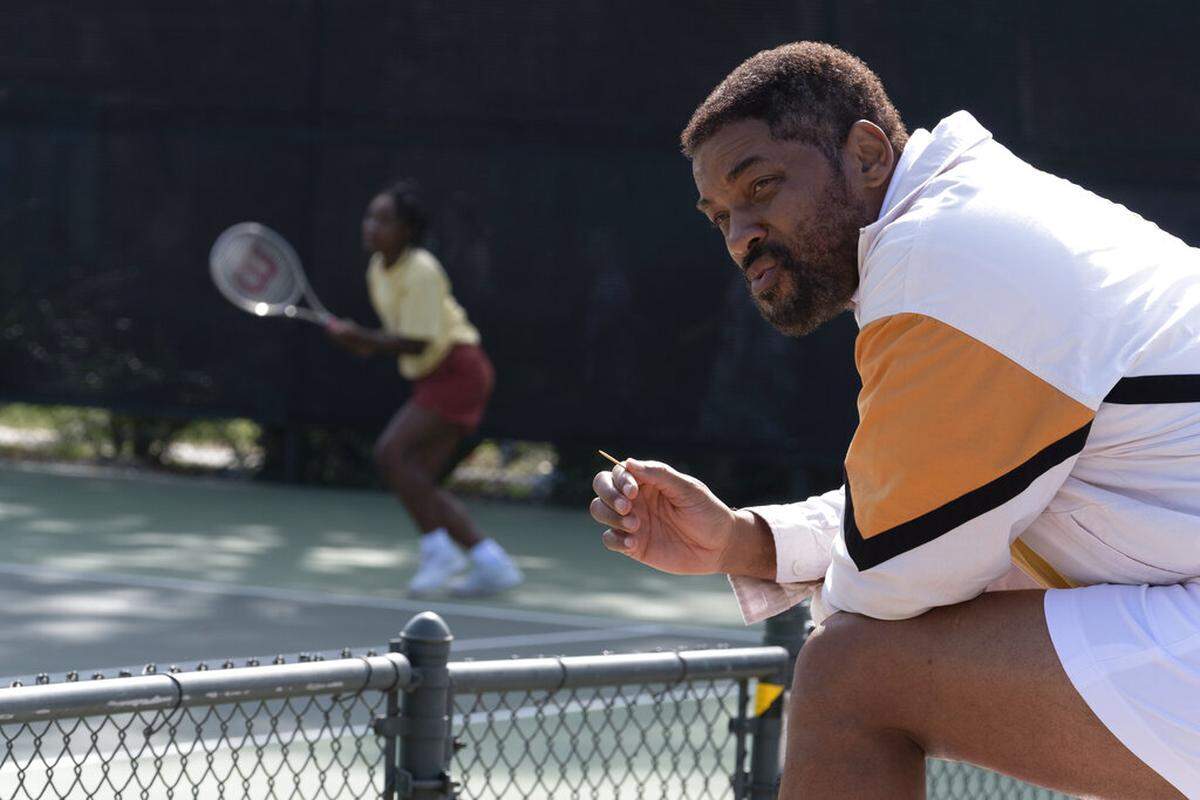
With Will Smith earning an Oscar nomination for his role in “King Richard,” The New York Times published two articles — one, a profile on Smith himself and the other on the Smith family’s vulnerability-fueled reinvention. Both are certainly worth the read.
Where does “The 44 Percent” name come from? Click here to find out how Miami history influenced the newsletter’s title.
This story was originally published February 10, 2022 at 5:09 PM.