The 44 Percent: Sidney Poitier, Brian Flores & slaveholding lawmakers
There’s power in seeing yourself.
It doesn’t matter the medium — television, movies, newspapers, magazines — all that matters is the image.
The imagery, whether positive or negative, directly affects attitudes toward whatever is being depicted. Many of the stereotypes that are still attributed to the Black community — from the mammy to the brute — can be directly linked to how we were portrayed in popular culture.
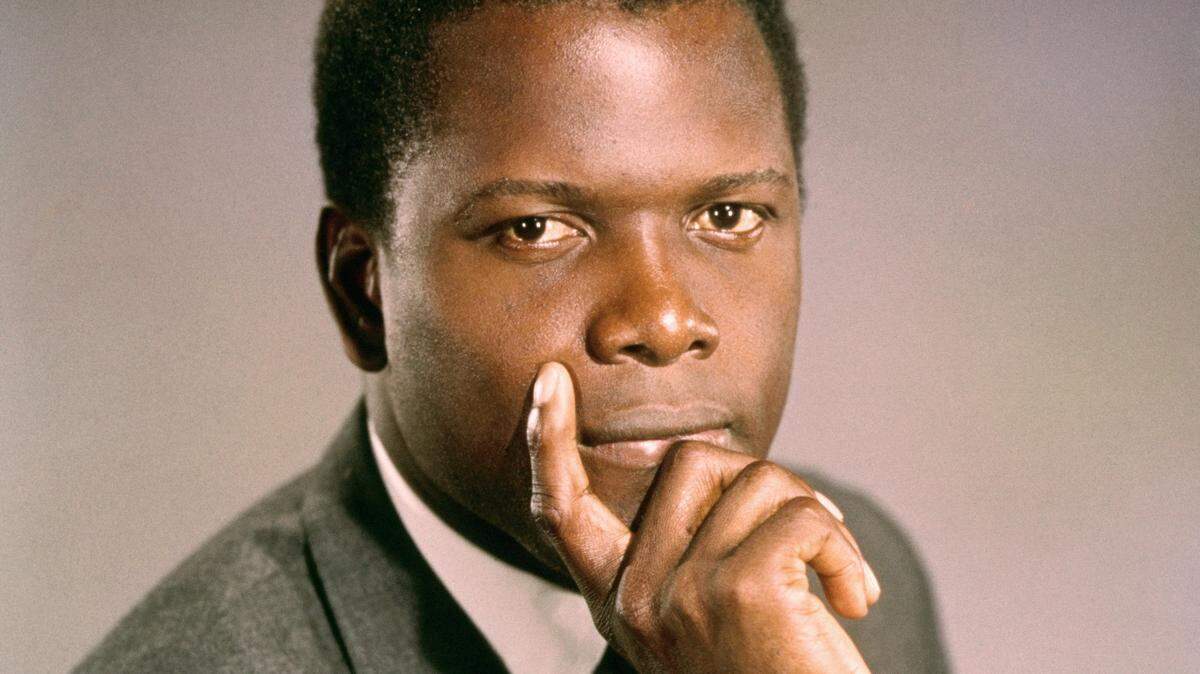
Which brings me to Sidney Poitier, who passed away Jan. 6 at the age of 94. Long before the Wills, Denzels and Halles of our time, there was Poitier, a Miami-born, Bahamian American with the poise and polish of a trained hitman. He was, in every sense of the word, a pioneer, someone who, as Wesley Morris of the New York Times wrote, was “fit for entrance into white people’s homes but also attractive to Black people worried that he might think himself too good for dinner at theirs.”
As the first Black performer to win an Oscar for best actor, Poitier epitomized Black excellence on screen. He expanded the nature of possibility. With one film at a time, Poitier began to shift white America’s perception of Black people. At the same time, he was sending a message to his fellow Black Americans that anything is possible.
Reflecting on his 1964 Oscar win in his memoir “This Life,” Poitier “felt it would be good for black people to see themselves competing for the top honor.” Think about that for a moment: Poitier won an Academy Award just months before the passage of the 1964 Civil Rights Act and more than a year before the passage of the 1965 Voting Rights Act. It’s tough to believe that Poitier, who had been a mainstay on the silver screen since the 1958 release of “The Defiant Ones,” as well as the marches, sit-ins and other acts of protest, played zero role in these advancements.

Poitier’s contributions to cinema are part of why I believe in the power of imagery. If there has been one consistent theme during my time at the Herald, it’s that art (and the media) have the power to shape people’s opinions. This belief has influenced many of the stories I choose to tell. It’s also why losing Poitier — on the one-year anniversary of insurrectionists parading a Confederate flag through the halls of the US Capitol — hurts so much. Quite simply, Poitier showed white America what we can do if just given a chance. This country is better because of it. How much better, however, is a different story.
INSIDE THE 305
Brian Flores out as Miami Dolphins coach:
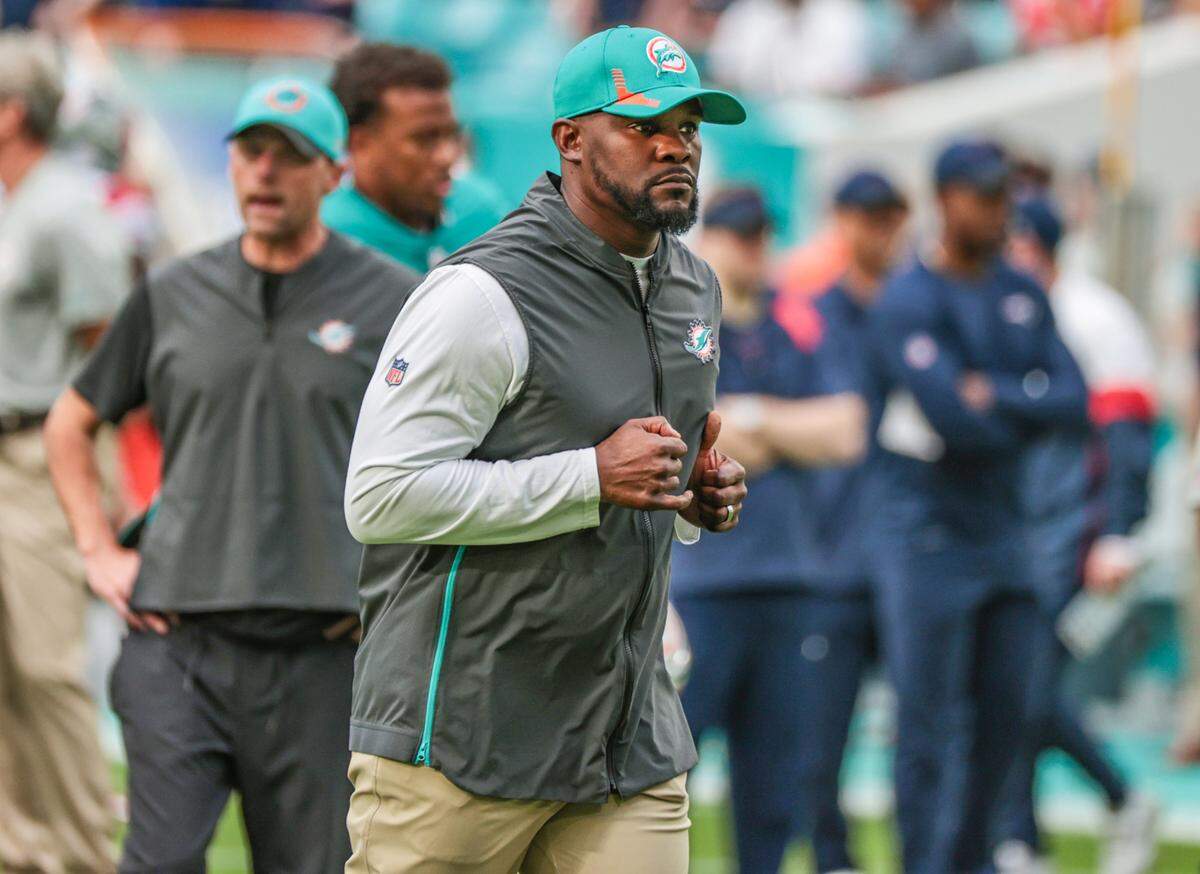
The Dolphins sent Brian Flores packing earlier this week, a move that surprised both Fins fans and the football world alike. Our very own Greg Cote called the move an “unjustified travesty of a clown-show owner.” Former NFL veteran and ESPN analyst Sam Acho described the firing as “ridiculous at best and incompetent at worst.” And longtime Dolphins fan Josh Gad, best known for voicing Olaf in Disney’s “Frozen” franchise, referred to the ousting as “perhaps the single worst decision this organization has ever made.”
Normally, I stay away from sports in this newsletter. But I wanted to bring this up because it’s indicative of a bigger issue: why does it always seem that Black coaches get the shortest leashes?
I ask this not to ignore the subsequent report from The Herald’s Barry Jackson that described Flores as seemingly arrogant and power-hungry but to get you to ponder why a coach who went 8-1 over his last nine games and barely missed the playoffs was let go so prematurely. By no means am I implying he was fired for being Black, either. Rather, I can’t help but wonder if Flores was white would he have been allowed at least one more season to figure things out considering he was behind two of the team’s three winning seasons in the last decade.
OUTSIDE THE 305
Washington Post investigation finds more than 1,700 slaveholders served in Congress:
Shout out the Post for putting together an amazing piece at time when the country is debating history and its effects on the present.
The numbers truly speak for themselves:
More than 1,700 people who served in the U.S. Congress in the 18th, 19th and even 20th centuries owned human beings at some point in their lives, according to a Washington Post investigation of censuses and other historical records.
I want each and everyone of you to read this piece so I’ll spare some of the details. That being said, there are two quotes that I believe deserve to be noted, one courtesy of historian Loren Schweninger and the other Crystal Feimster, a Black historian at Yale University. Schweninger, who the Post reported spent many years combing through Southern courthouse records about slavery, didn’t want readers to overlook the lawmakers’ “personal stake” in slavery.
“They were protective of the institution, that’s for sure,” Schweninger said of state and federal lawmakers’ relationship with slavery. “There was brutality and there was all kinds of exploitation of slaves — but still there were laws.”
Feimster later drew a link between many of the issues Black and brown communities are facing today (i.e. voting rights, racial wealth gap, etc.) and the institution of slavery.
“What’s happening politically has deep roots in our political leaders’ investment in slavery and how they wielded that power for their own personal benefit,” she said. “People who don’t know that longer history can’t draw those connections.”
Maya Angelou to be first Black women featured on a quarter:
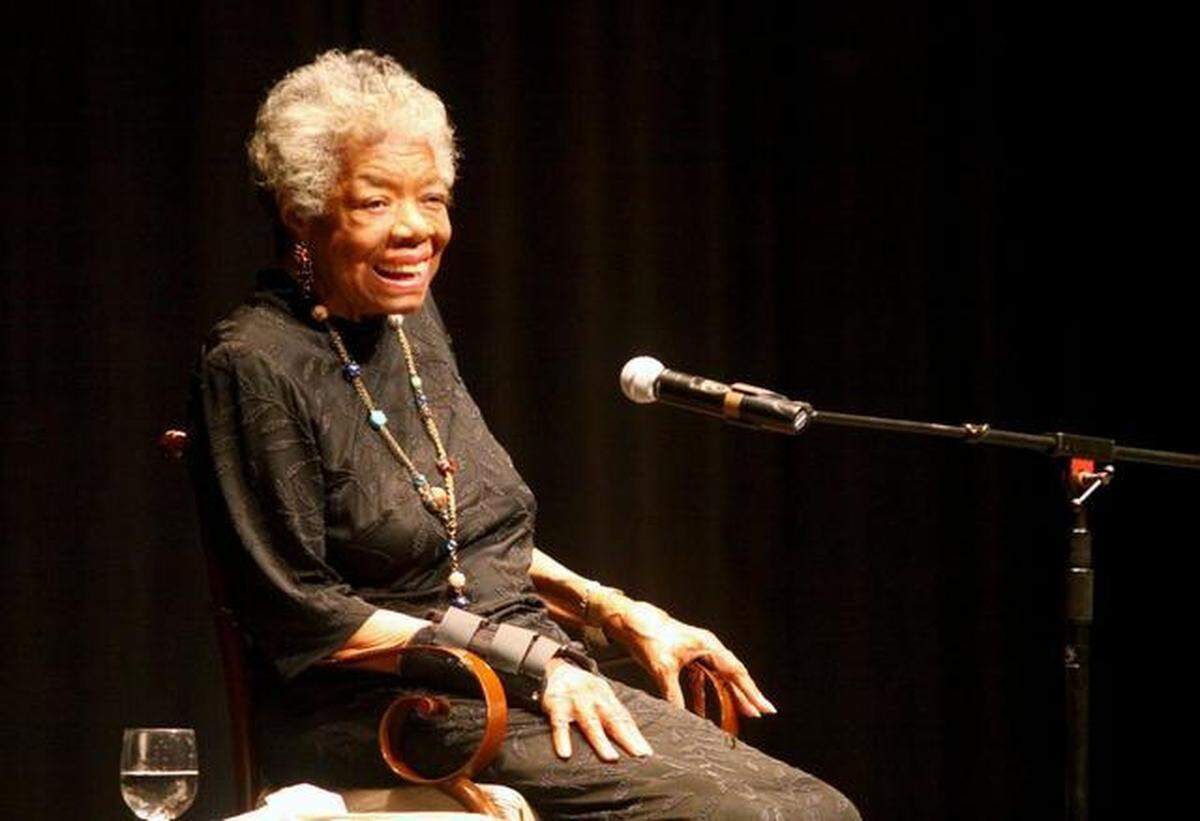
“Be certain that you do not die without having done something wonderful for humanity.”
Those words, courtesy of Maya Angelou, rang true some seven-plus years after her death when the US Mint announced the poet would be on a quarter. The currency will be shipped out immediately through 2025.
Angelou is one of five women, along with Sally Ride, Anna May Wong, Wilma Mankiller and Nina Otero-Warren, to be honored as part of the American Women Quarters Program.
The quickness with which Angelou’s quarters have been created begs a question I’ve asked for quite some time: where are my Tubmans?!
‘Trailblazer’ Cherfilus-McCormick is first Haitian American sent to Congress from FL:
In South Florida news, the race to replace deceased Congressman Alcee Hastings came to an end Tuesday with Sheila Cherfilus-McCormick emerging victorious. Cherfilus-McCormick will be the first Haitian American to represent Florida.
“The support was so overwhelming. No one thought that a little girl like me who was growing up in this district, who was raising a daughter by myself at the time, would ever be here. So this means so much for us to be here,” said Cherfilus-McCormick as her voice broke from the emotion. “We’re definitely an example of the American Dream.”
HIGH CULTURE
More projects to look forward to in 2022:
In my haste to list what I’m looking forward to in 2022, I left off a few important things (and odds are I might do the same again). Anyway, here are few (more) things I’m looking forward to:
- Did you see Cordae absolutely destroy his L.A. Leakers freestyle over Kodack Black’s “Super Gremlin?” Either way, it just made me even more excited for the release of his “From a Bird’s Eye View” which debuts Jan. 14.
- Wu Tang’s Ghostface Killah is reportedly going to drop the sequel to his classic “Supreme Clientele” in February. The album is said to be produced by Mike Dean and Kanye West.
- Am I the only one excited for the Super Bowl halftime show? We got Dr. Dre, Snoop Dogg, Kendrick Lamar, Mary J. Blige and (to a much lesser extent) Eminem all on one stage. This could be legendary. I, for one, will be locked in Feb. 13. Who knows — maybe we might finally get a Kendrick project too.
- Assuming the COVID-19 numbers take a dive (and who’s to say that this is even a safe assumption), Coachella 2022 is looking mighty enticing. Some of the lineup’s bright spots include Kanye West, Isaiah Rashad, Baby Keem, Snoh Aalegra, Koffee and Denzel Curry. The festival runs across two weekends in April, from the 15-17 and 22-24.
- Financial documents from Sony also showed that A$AP Rocky, Future and 21 Savage will release new music by April 2022.
More on Sidney Poitier:
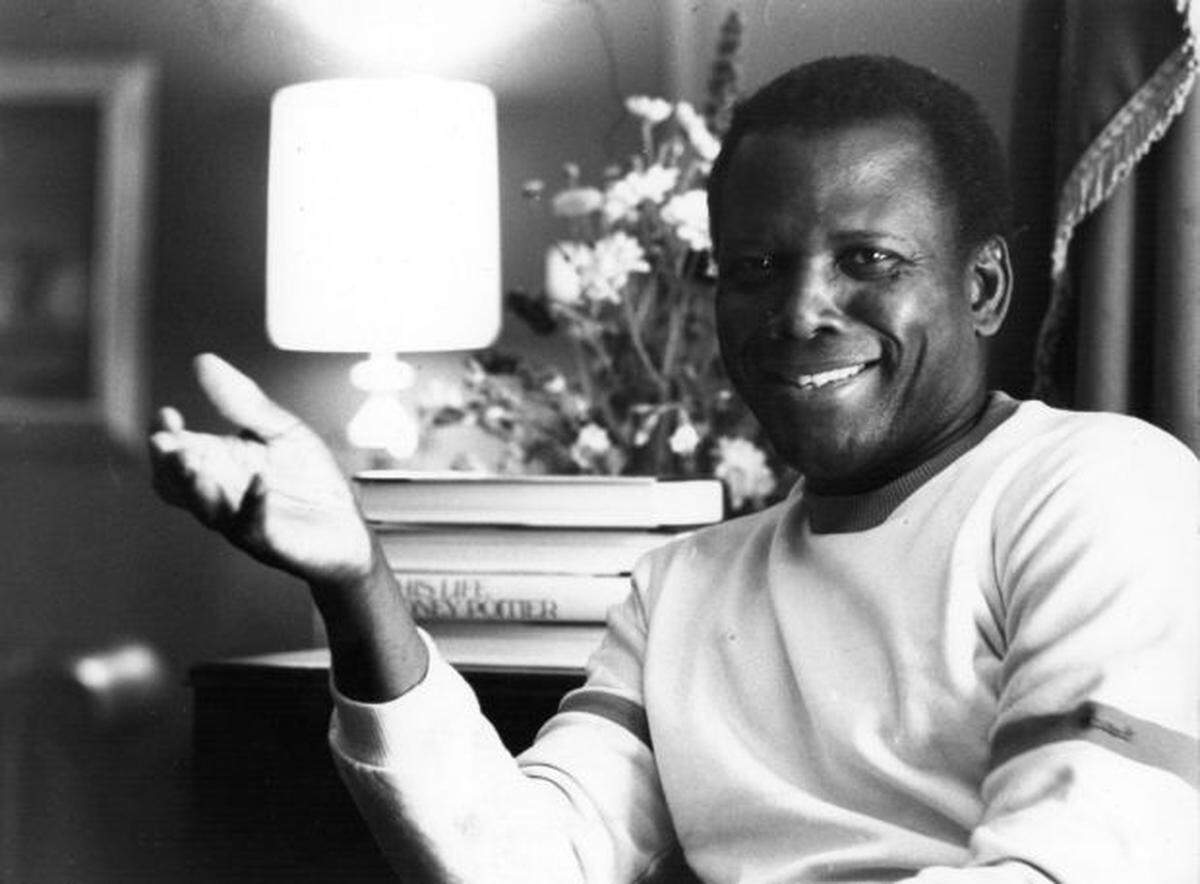
If you’re looking to learn a little bit more about Sidney Poitier check out Nadege Green’s Twitter thread about his early days in Miami or our very own Howard Cohen’s wonderful obituary.
Where does “The 44 Percent” name come from? Click here to find out how Miami history influenced the newsletter’s title.