The 44 Percent: Young Dolph, Opa-locka update, “The Harder They Fall”
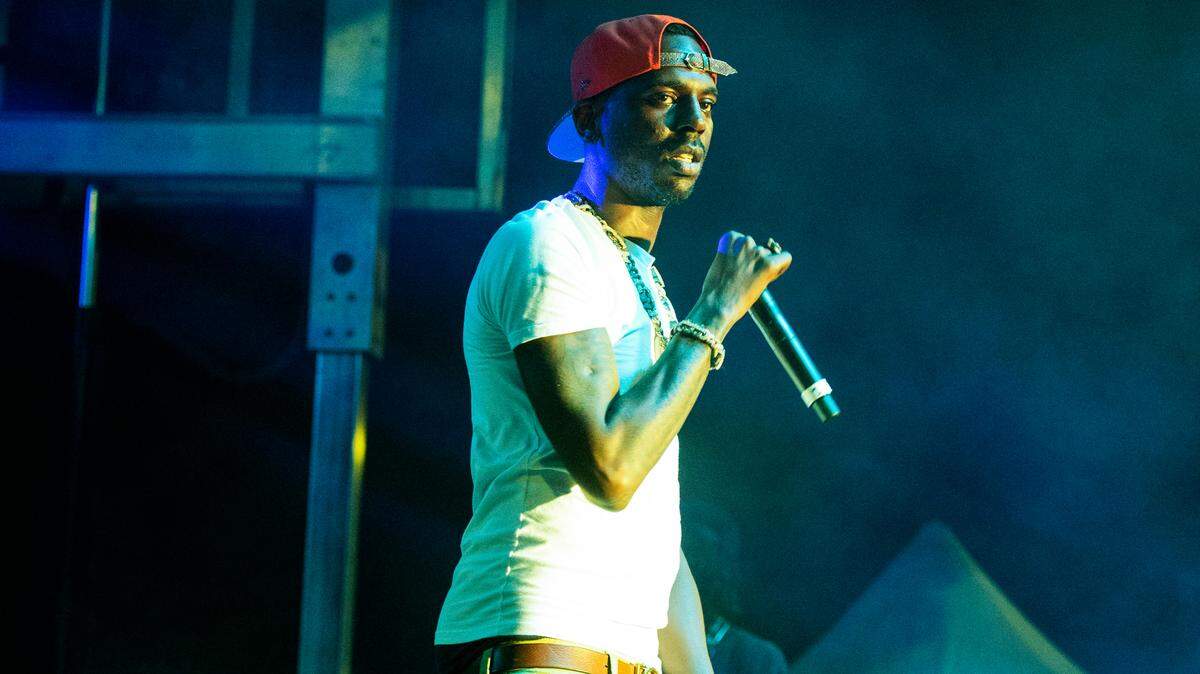
The news of Young Dolph’s killing Wednesday left me hollow.
Dolph’s music was part of my college soundtrack, his raps about success serving as motivation. Songs like “Get Paid” preached the power of ownership and knowing your worth (Dolph was independent and once turned down a $22 million label deal), while songs like “100 Shots” made 21-year-old me feel invincible, ready to take on whatever lay in my path. Dolph’s power was that he could give game without talking down to his listeners, often in bars underlined with humor.
In the aftermath of brutal murders in hip-hop, the media often has a tendency to taint the rapper’s image. He was a “gangster.” A “thug.” A “gangbanger.” Almost as if he deserved it.
What I saw on Twitter yesterday was something much, much more. Pictures of Dolph’s family, videos of him playing with his kids and, of course, the classic Instagram photos of what he called a court-mandated 24-hour custody of a white kid dominated my timeline. That, amid all the sorrow and heartbreak, made me smile because that’s how we should remember rappers.
Since 2019, we’ve lost Nipsey Hussle, Pop Smoke, King Von and now Dolph to gun violence. It’s clear that there’s a problem not just in hip-hop but in America. Since its inception, hip-hop has always held a mirror to America, forcing the country to see the good, the bad and the ugly. That message has often been lost on people in power, who use the genre’s vulgarity as means for dismissal. Well, it’s about time for those same people to stare at their reflection. We, as a hip-hop family and as a people, should — scratch that must — do better.

INSIDE THE 305

‘On cursed land’: With mayor out in troubled Opa-locka, uncertain future lays ahead:
The abrupt resignation of Opa-locka Mayor Matthew Pigatt plunged a city already struggling to rehabilitate its image deeper into the unknown. Pigatt’s unspecific accusations of corruption were particularly “alarming” to State Sen. Shevrin Jones, a West Park Democrat whose district includes the city.
“They have gone through this before,” Jones, a personal friends of Pigatt, told the Miami Herald’s Samantha Gross.
Subsequent reports show that Pigatt contacted the Florida Department of Law Enforcement prior to his departure. The Miami-Dade State Attorney’s office also reached out to the former mayor.
‘It’s just not something we were taught.’ Three South Dade lynchings brought to light:
I attended the event, which I highlighted at the top of last week’s newsletter. Talk about powerful.
Miami-Dade’s history of racial violence is clearly something that needs to be discussed more. The story of modern day Miami often begins with the influx of Cubans in the 1960s, yet that doesn’t paint the most complete picture. There was a history before the Cubans, Haitians, Venezeluans and other immigrants brought along their cultures and transformed Miami-Dade to the wonderful place it is today. And acknowledging that history is the first step in creating the equitable society that we claim to be.
“It’s also important that those new truths that are brought to light are made a part of the historical record,” Courtney Berrien, associate director at Barry University’s Center for Community Service Initiatives, told the audience. Updating American narrative has nothing to do with shaming but rather “you need to know that truth in order for us to make decisions about policy, allocation of funding, etc.”
OUTSIDE THE 305
Black Caucus was key in passing infrastructure bill:
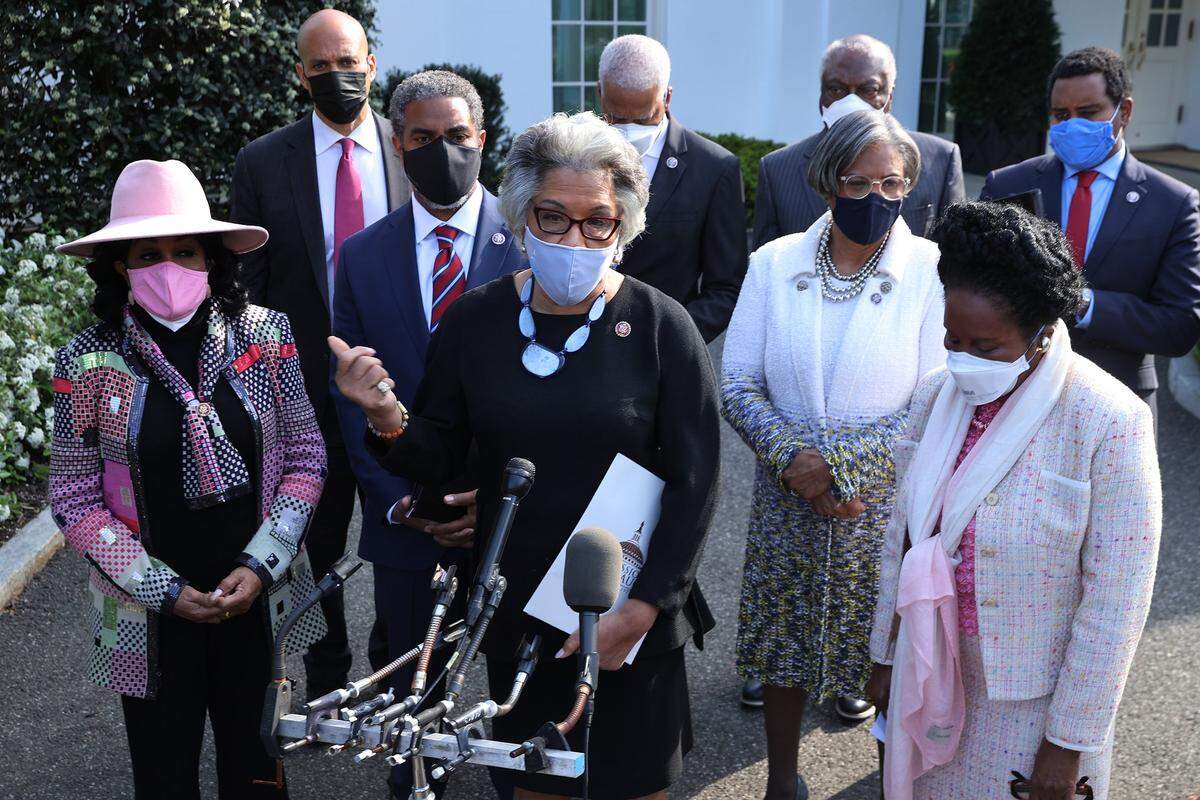
The Congressional Black Caucus played a major role in passing Biden’s infrastructure bill, which the president signed into law Monday, giving the Democrats a much-needed win after an underwhelming recent election.
Providing improvements for transportation, climate change efforts and internet access, the bill required major convincing on the part of the Black Caucus due to the holdout of many members of the Congressional Progressive Caucus. Members of the Progressive Caucus wanted Biden’s $1.85 trillion social welfare bill, which includes investment in child care, affordable housing and climate change, to pass concurrently with the infrastructure bill. Black Caucus members, however, were able to rally enough votes for the infrastructure bill while promising to debate the contents of the social welfare bill on Nov. 15.
“The CBC wants to land the plane because the CBC represents communities that have the most to gain,” Representative Hakeem Jeffries of New York, the Democratic Caucus chairman, told the New York Times. “It’s no more complicated than that.”
As the caucus with some of Congress’ most senior leaders, the CBC’s importance in passing the infrastructure bill was anticipated, says Urban Development Secretary Marcia Fudge.
“It is my expectation that they would lead,” Fudge, a former member of the CBC, told The Hill. “So it didn’t surprise me at all. I’m very, very happy to say that they did, and they moved a lot of things that hadn’t been able to move prior to their involvement.”
How are self-defense laws being used in the Kyle Rittenhouse and Ahmaud Arbery cases?:
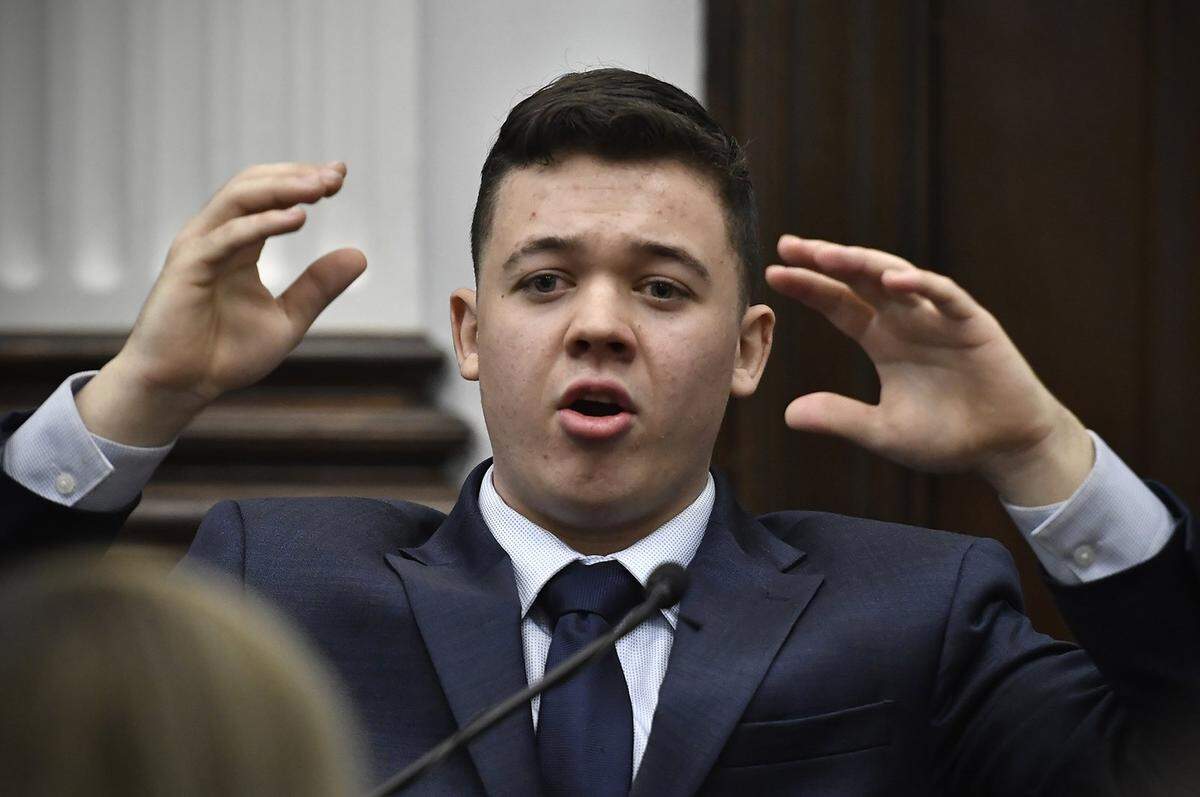
With the verdict in the Kyle Rittenhouse case expected any moment, and Ahmaud Arbery’s killers simultaneously facing prosecution in a Georgia courtroom, the New York Times published a story examining how self-defense laws are being used in both trials.
Arbery was a 25-year-old Black man who was jogging when three white men chased and eventually fatally shot him in Georgia after they say Arbery tried to grab a gun pointed at him. A then-17-year-old Rittenhouse shot and killed two white men at a protest in Kenosha, Wisc. Self-defense claims are key to both cases — and complicated by the fact that Arbery would undoubtedly have his own self-defense claim were he alive to testify.
Experts say self-defense, vigilantism and policing are deeply connected — all are deeply racialized American traditions in which Black people, particularly men, are more likely to be viewed as threats and white people are more likely to be given the benefit of the doubt.
In an analysis of homicides done after Trayvon Martin’s death, the Urban Institute found that cases with a white perpetrator and a Black victim were 281 percent more likely to be ruled justified than cases with a white perpetrator and white victim.
In the Arbery case this past week, a defense lawyer objected to having high-profile Black pastors in the courtroom, calling their presence “intimidating.”
Darrell Miller, a law professor at Duke who recently co-authored a paper on the deficiency of self-defense laws, brought up a good point about how Arbery’s skin color still plays a role in the prosecution of his own murder.
“Why is it that the perception is that if Ahmaud Arbery would have complied rather than reached for the gun that he would have lived, and therefore it was incumbent on him to comply?” he told the New York Times. “Why isn’t the framing that Ahmaud Arbery had three guys, who he didn’t know what their intentions were, rolling up on him with guns?”
HIGH CULTURE
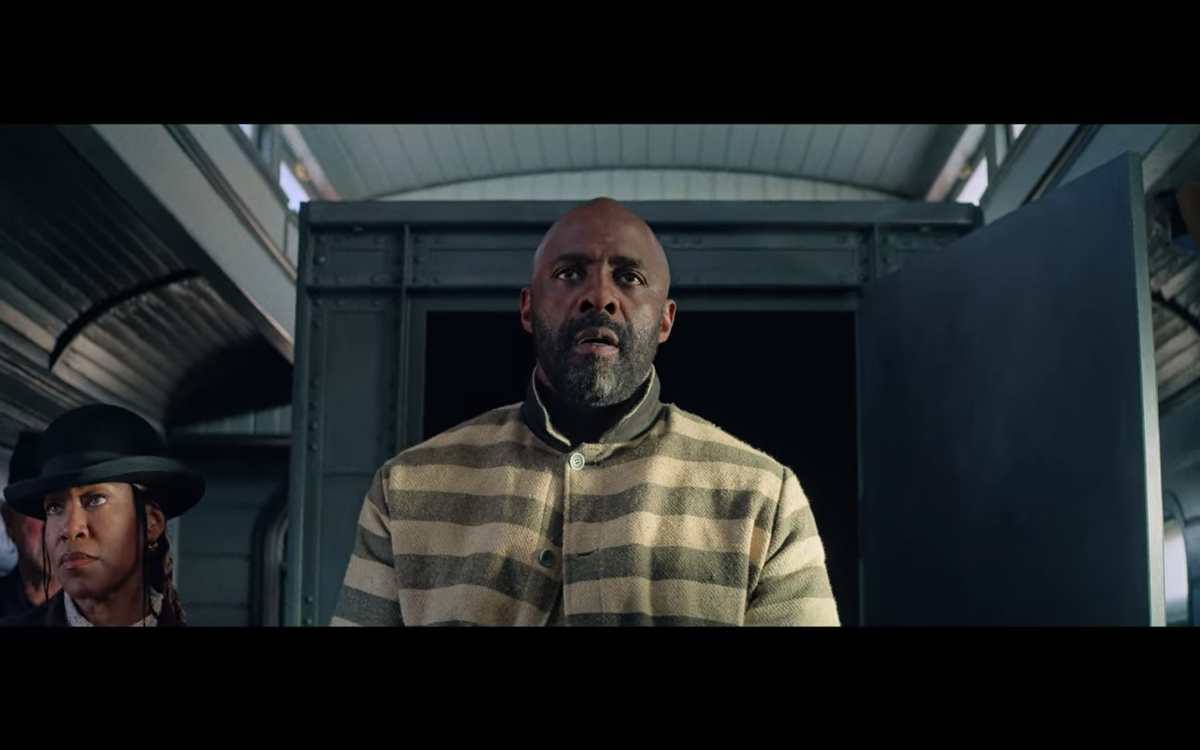
“The Harder They Fall” is phenomenal:
We need more Black cowboy movies ASAP!
Starring Idris Elba, Jonathan Majors and Regina King, “The Harder They Fall” has already become one of my favorite movies EVER and I’ve only watched it once. The film really had everything: comedy, drama, action, a fire soundtrack – the list goes on and on.
With that being said, let this serve as my notice to the Academy: we gone have problems if “The Harder They Fall” walks away from the Oscars without some hardware.
If you haven’t already, definitely do yourself a favor and check out the film. The above hyperlink provides details on the real lives of the characters portrayed in the movie.
Where does “The 44 Percent” name come from? Click here to find out how Miami history influenced the newsletter’s title.