
Opa-locka’s mayor quit, claiming corruption and spurring an investigation. It’s needed | Editorial
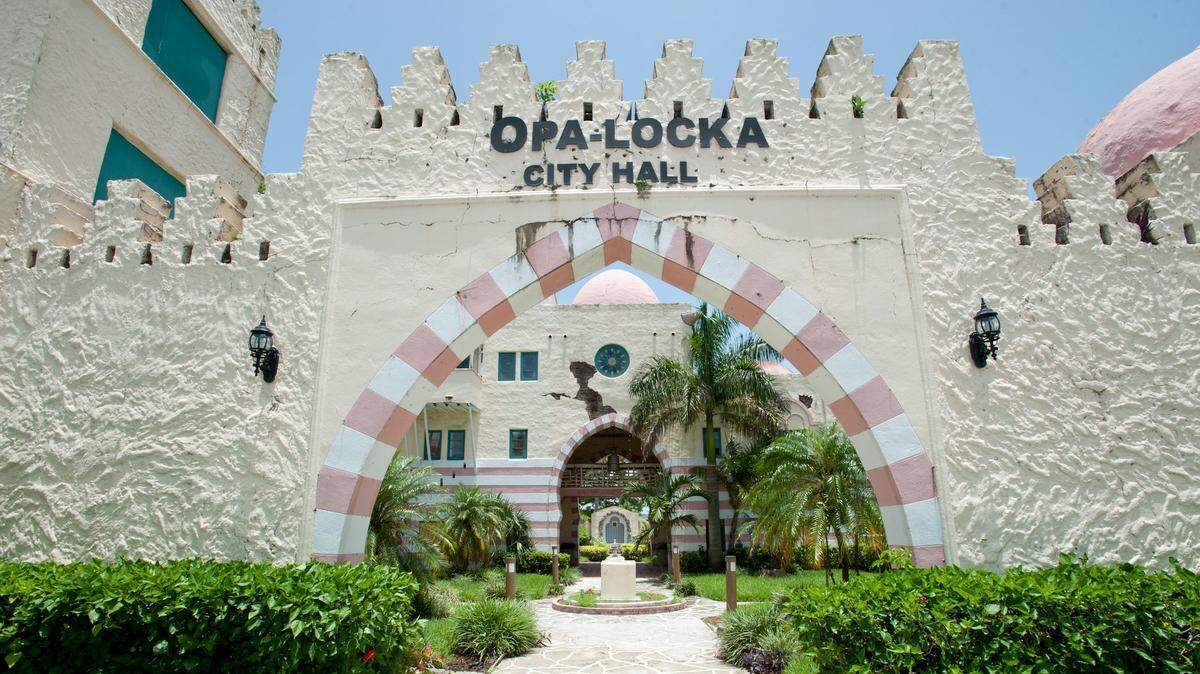
Turmoil could be the city of Opa-locka’s middle name, but the unexpected public resignation of its mayor Wednesday night during a commission meeting is still jarring.
“Despite my best efforts, I could not uproot corruption in Opa-locka … I will not be a figurehead for corruption,” Mayor Matthew Pigatt read from a prepared statement, before walking away from the dais and the job he was elected to do in 2018.
That’s a powerful accusation against an entire City Hall.
The mayor’s announcement was alarming, and it should be a call to action for local, state or federal authorities.
It may have done just that. Miami-Dade State Attorney Katherine Fernandez Rundle confirmed to the Editorial Board Friday that investigators with her office’s public corruption task force, along with Florida Department Law Enforcement, have contacted Pigatt. It’s the right move for Fernandez Rundle and other authorities to quickly address these allegations, whether true or false.
Now, let’s see where the investigation leads.
The sad truth is that these kinds of allegations are nothing new in Opa-locka, which has long struggled with issues of corruption, financial wrongdoing and embezzling by its elected or appointed officials. Currently, the city of 18,000 residents, most of them African American, is trying to emerge from five years of state oversight of its bookkeeping, prompted by widespread corruption that drove the city to the edge of bankruptcy.
In August, the state oversight board rejected Opa-locka’s first proposed five-year plan, which was already two years overdue, citing the unfinished audits. The state’s Joint Legislative Auditing Committee said it would withhold funds from the city if it didn’t submit required plans, the Miami Herald reported.
Pigatt said he was trying to lead the way in bringing the city back from financial ruin, but he made political enemies along the way. He became a commissioner when the city fell under state oversight, following the death of Commissioner Terence Pinder, who rammed his car into a tree in an apparent suicide.
On the day he died, Pinder was set to turn himself to the Miami-Dade State Attorney’s Office on charges that he had used his position to solicit bribes and accept thousands of dollars in payments.
In this latest uproar, Pigatt lobbed a lot of allegations but offered no proof. He talked about character assassination, threats on his life and “political intrigue more scandalous than the show Scandal.” He said he wasn’t going away but was turning to the people, and made a vague promise of action “when the time is right.”
We hope his resignation shines on a light on any wrongdoing. If a house-cleaning is in order, it needs to happen quickly. After all these years of problems, Opa-locka deserves far better than this.
An earlier version of this editorial incorrectly said the city of Opa-locka had emerged from its state mandated financial oversight. The city is still in the process of meeting its requirements.
This article has been updated with new information.
BEHIND THE STORY
MOREWhat's an editorial?
Editorials are opinion pieces that reflect the views of the Miami Herald Editorial Board, a group of opinion journalists that operates separately from the Miami Herald newsroom. Miami Herald Editorial Board members are: opinion editor Amy Driscoll and editorial writers Isadora Rangel and Mary Anna Mancuso. Read more by clicking the arrow in the upper right.
What's the difference between an op-ed and a column?
How does the Miami Herald Editorial Board decide what to write about?
The Editorial Board, made up of experienced opinion journalists, primarily addresses local and state issues that affect South Florida residents. Each board member has an area of focus, such as education, COVID or local government policy. Board members meet daily and bring up an array of topics for discussion. Once a topic is fully discussed, board members will further report the issue, interviewing stakeholders and others involved and affected, so that the board can present the most informed opinion possible. We strive to provide our community with thought leadership that advocates for policies and priorities that strengthen our communities. Our editorials promote social justice, fairness in economic, educational and social opportunities and an end to systemic racism and inequality. The Editorial Board is separate from the reporters and editors of the Miami Herald newsroom.
How can I contribute to the Miami Herald Opinion section?
The Editorial Board accepts op-ed submissions of 650-700 words from community members who want to argue a specific viewpoint or idea that is relevant to our area. You can email an op-ed submission to oped@miamiherald.com. We also accept 150-word letters to the editor from readers who want to offer their points of view on current issues. For more information on how to submit a letter, go here.
This story was originally published November 11, 2021 at 5:23 PM.