The 44 Percent: Florida lynchings, Capitol riots & new exhibit in Broward

J.B. Harris. William Simmons. Mary Cuzzins.
Each were lynched in south Miami-Dade, according to the Miami-Dade Truth, Education, and Reconciliation Initiative. The organization, also known as TEAR, plans to make sure their stories are not lost. A gathering at 10 a.m. Saturday, Nov. 13 at Sweet Home Missionary Baptist Church in West Perrine will do just that.
The effort to honor their legacy — and unearth Florida’s ugly past — is important. As New York Times best-selling author Isabel Wilkerson said in 2012, Florida has “traditionally been as Southern as any other part of the South.” Florida was the third state to secede from the Union prior to the Civil War, home to the second-highest per capita rate of lynchings between 1880-1940 and the location of one of the most egregious miscarriages of justice in U.S. history.
As painful as it might be, there’s an argument to be made that acknowledging such difficult periods is the first step to healing. It’s impossible to address what’s unknown. That’s what makes exhibits like “Confederate Currency: The Color of Money” (more on that later) so powerful.

INSIDE THE 305
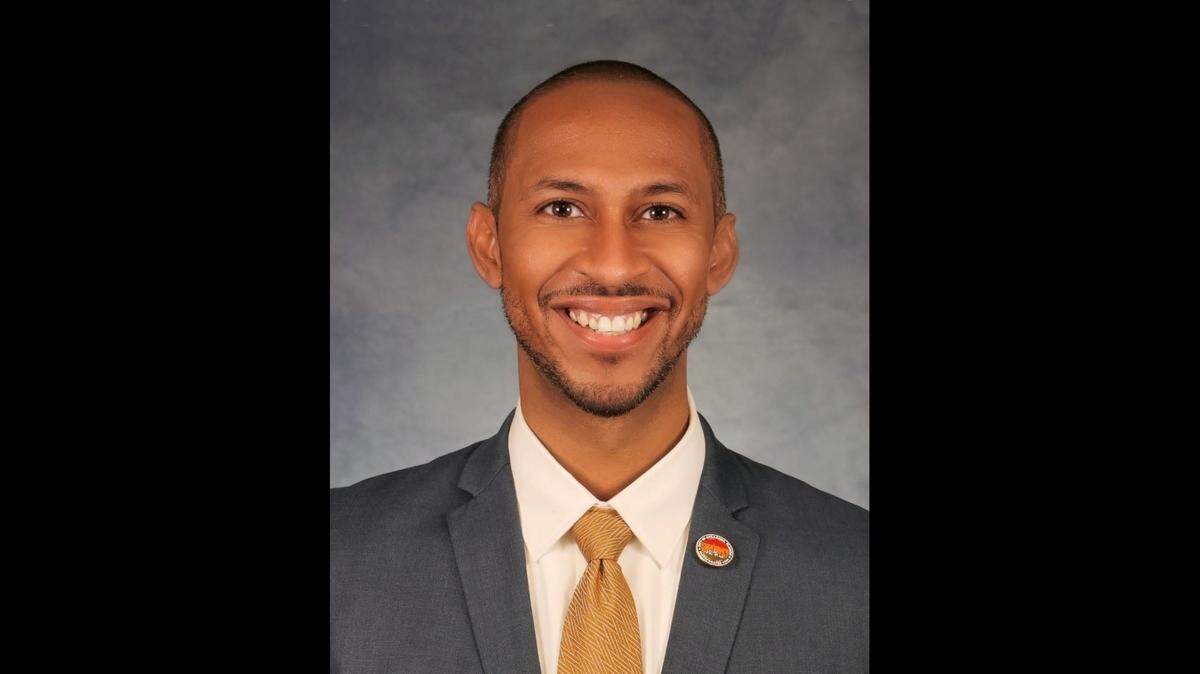
Opa-locka mayor abruptly resigns during commission meeting, citing ‘corruption:’
Matthew Pigatt stepped down as Opa-locka mayor at Wednesday’s commission meeting. The move was a surprise — his term ran until November 2022 — yet the decision was in part influenced by what he deemed the “forces of corruption” within the Opa-locka government.
“Despite all of these accomplishments, in this position of mayor I could not stop corruption,” Pigatt said. “The reformers within the government are outnumbered by those who want to compromise, maintain the status quo and promote themselves over the people.”
It was unclear from Pigatt’s resignation speech who and what specifically he was addressing. He did promise to share more about his experiences in due time.
Vice Mayor Veronica Williams should be in line to serve the rest of Pigatt’s term, according to the city charter.
OUTSIDE THE 305
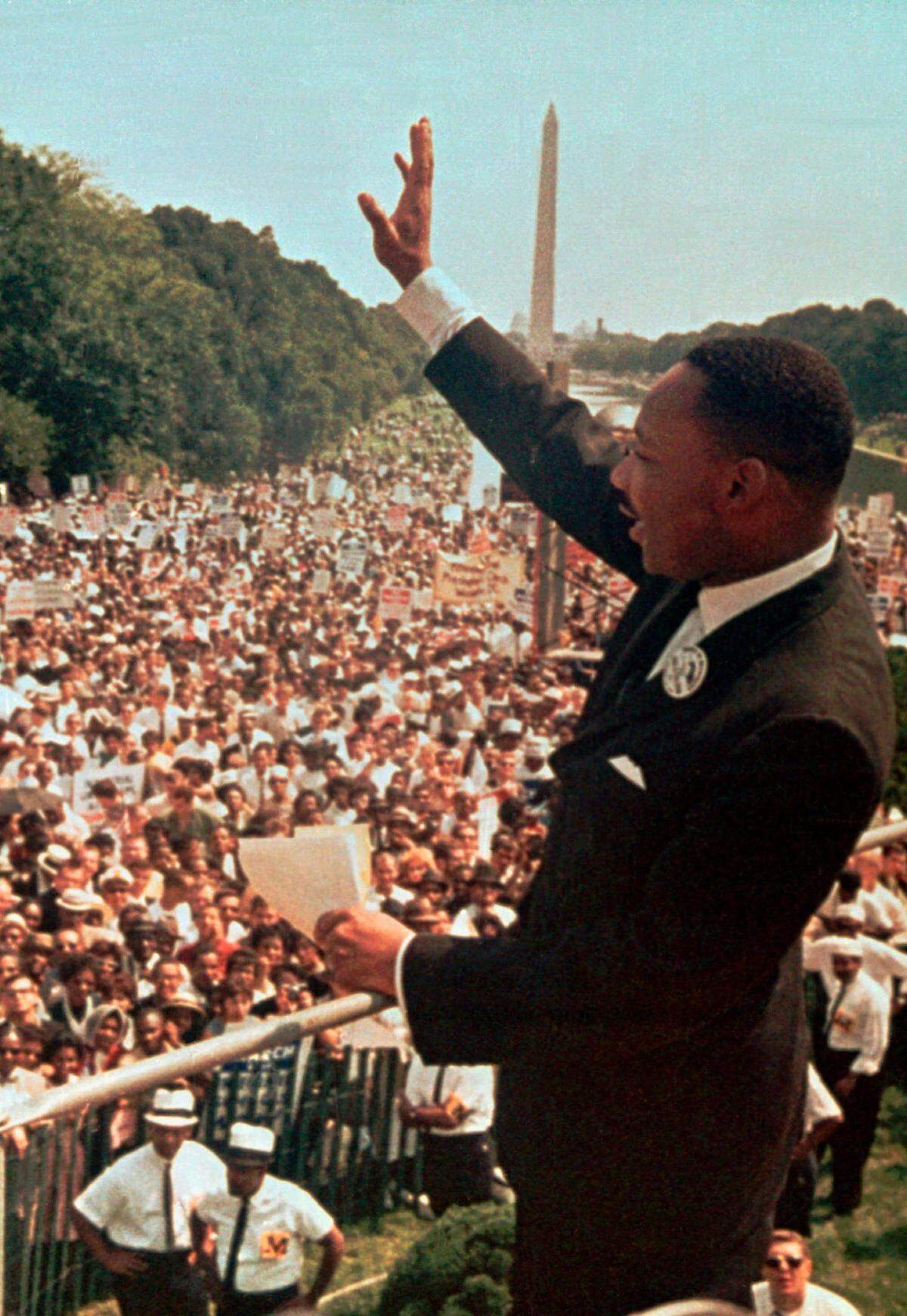
The true meaning of ’structural racism:’
Apparently Cromwell Cox’s 1948 book “Caste, Class, and Race: A Study in Social Dynamics” still has ideas that are relevant today.
Using Cox’s work as a guide, the New York Times’ Jamelle Bouie discusses how racism cannot be eliminated as long as the focus stays on “the right words or thinking the right thoughts.” Defeating it requires more intention, something I delved into in last week’s newsletter.
That’s because racism does not survive, in the main, because of personal belief and prejudice. It survives because it is inscribed and reinscribed by the relationships and dynamics that structure our society, from segregation and exclusion to inequality and the degradation of labor.
So now the question becomes “how can we solve this?” Rev. Dr. Martin Luther King Jr. provided some clues:
The solution, as the Rev. Dr. Martin Luther King Jr. wrote in the year of his assassination, must involve a “revolution of values” that will “look uneasily on the glaring contrast of poverty and wealth” and see that “an edifice which produces beggars needs restructuring.”
“If democracy is to have breadth of meaning,” King declared, “it is necessary to adjust this inequity. It is not only moral, but it is also intelligent. We are wasting and degrading human life by clinging to archaic thinking.”

What prompted a mob to storm the U.S. Capitol on Jan. 6?:
Whether surprising or not, here’s a fact worth mentioning: the majority of the roughly 650 people facing federal charges in connection to the Jan. 6 riots were regular “everyday Americans,” not members of far-right extremist groups, according to the Washington Post.
The Post has been killing it over the past few weeks (if you haven’t gotten a chance to review their analysis on the before, during and after the Capitol attack, definitely check that out) but this most recent report definitely was one of my favorites because it shows just how clueless the mob truly was. Just take a look at how an anonymous law enforcement source described the scene:
“They didn’t know what they were doing. A lot of them didn’t even know where they were going. But they had a message, and the message was, the pitchfork people will show up again, and you need to be afraid of us.”
And just how did these “everyday Americans” turn extreme?
“Responsibility gets diffused across the group, and you have the immediate lure of peer validation, plus a cloak of anonymity,” Brian Levin, the director of the Center for the Study of Hate & Extremism at California State University, told the Washington Post. “It’s almost like a sport.”
What remains now is how will this event be remembered. Already, participants have tried to downplay their role in the riot, with some saying they wouldn’t consider themselves part of the mob that overpowered police enroute to the Capitol chambers. To those adopting that defense, U.S. District Judge Thomas F. Hogan of Washington had this to say:
“It’s become evident to me in the riot cases, the post-riot cases, that many of the defendants who are pleading guilty are not truly accepting responsibility,” Hogan told the courtroom. “It’s rewriting history and the facts to say you didn’t know what was going on. … I’ve had too many people say that to me.”
HIGH CULTURE
‘It’s the history of our country.’ New exhibition explores slavery, American economy link:
Confederate money provides a rare look into the values of Southern states.
And with enslaved people often depicted on the currency, it’s pretty clear what they valued. To make this even more apparent, artist John Jones began painting these images back in the 1990s.
Part of Jones’ collection will be on display in the “Confederate Currency: The Color of Money” exhibit at Fort Lauderdale’s African-American Research Library and Cultural Center. By recreating the bill’s depiction of slaves, the paintings very clearly posit a link between slavery and the American economy. For everyone here in South Florida, this is definitely something you should check out. The exhibit ends Jan. 8.
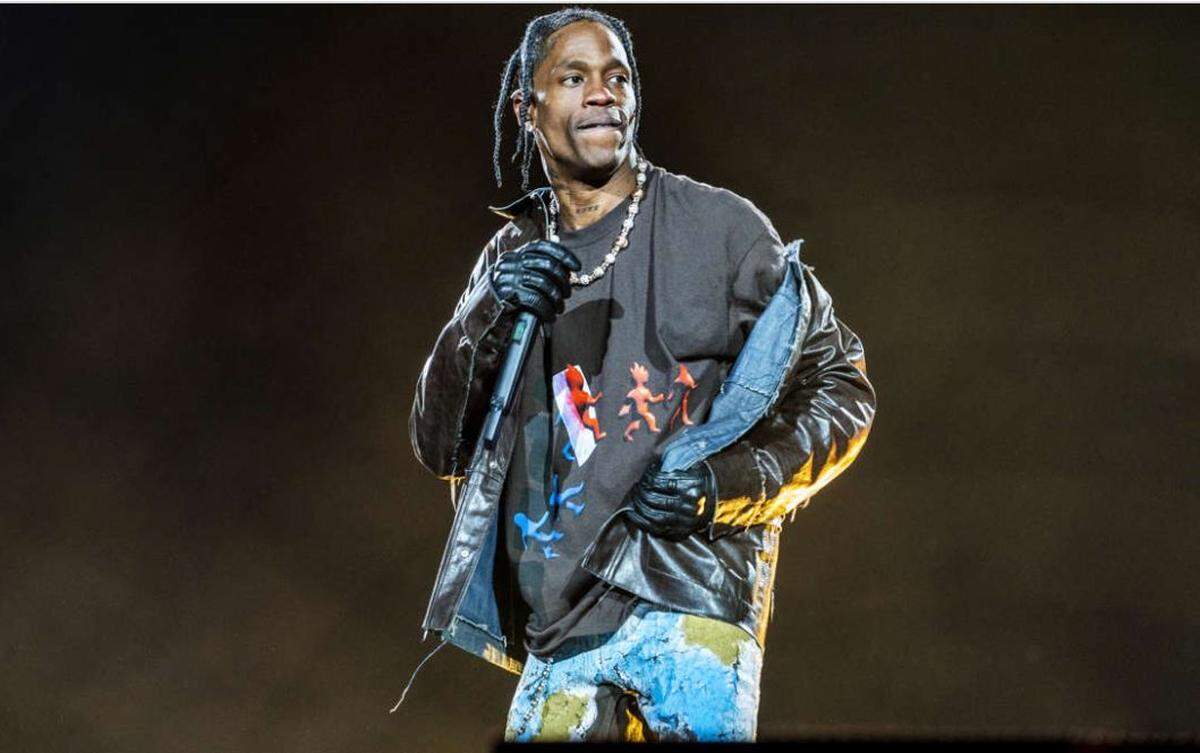
Astroworld Festival ends in tragedy:
At least eight people, including a 14- and 16-year-old, died at Travis Scott’s Astroworld festival on Friday. Among those injured as the crowd surged were 9-year-old boy who remains in a coma and a 22-year-old woman who TMZ reported has been deemed brain dead.
Already, 36 lawsuits have been filed, with some legal experts predicting payouts of “hundreds of millions of dollars.” Almost everyone — from the producers, promoters, performers to the even the subcontractors —who helped organize the Astroworld Festival could be held liable.
“There are multiple parties responsible for the environment at the festival and under Texas law, those parties have a duty to keep it safe,” Texas lawyer Derek Potts told the Houston Chronicle’s Mark Curriden. “Clearly, they failed, as this was a huge catastrophe.”
The deaths, as well as reports that law enforcement warned of a potential problem, have cast a new light on the Houston-born artist. Although “raging” and eccentric live performances — Rolling Stone deemed his Astroworld tour “the great show on Earth” — are a key part of Scott’s brand, he does have a penchant for going overboard. He was arrested for inciting a riot at two previous concerts. In both instances, Scott pleaded guilty to minor charges.
Where does “The 44 Percent” name come from? Click here to find out how Miami history influenced the newsletter’s title.
This story was originally published November 11, 2021 at 3:30 PM.