The 44 Percent: importance of voting, District 5 race and H. Rap Brown
You hear that collective sigh of relief?
That’s because election season is behind us — almost.
Miami’s mayoral race ended predictably with Francis Suarez securing a second term. District 5, composed of primarily Black neighborhoods like Overtown and Liberty City, has a new leader with old ties (more on that later). And a recount will decide whether Broward County Commissioner Dale V.C. Holness or healthcare executive Sheila Cherfilus-McCormick wins the Democratic primary for the late Alcee Hastings’ U.S. House seat.
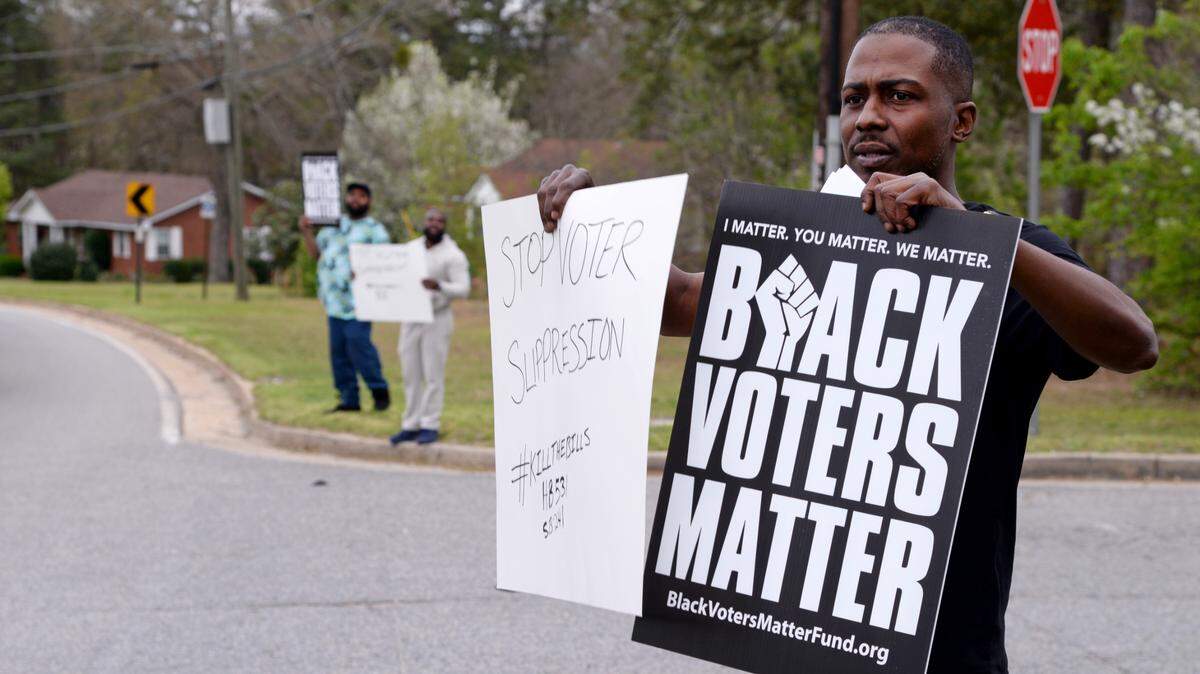
Hopefully you voted. For all the focus on presidential races, local elections arguably matter more. Commissioners, members of Congress, state attorneys and district judges all have a great impact on our day-to-day lives. Black people especially need to vote. It’s the only way we can drive out bad politicians.
To paraphrase the great Gil Scott Heron, election year means we’re running for our lives, whether we like it or not.
INSIDE THE 305
Christine King bests incumbent Jeffrey Watson in Miami District 5 commission race:
District 5 got something to say!
Christine King handily defeated Commissioner Jeffrey Watson in Miami’s District 5 commission race. With support from Miami-Dade Mayor Daniella Levine Cava and County Commissioner Keon Hardemon, King bested the incumbent Watson, who was appointed to the role in November 2020.
“This win is our win,” King said to a crowd of about 70 people gathered at her campaign headquarters in Liberty City. “This win is about team King and the real winner is the community.”
A former District 5 commissioner himself, Hardemon said his amicable relationship with King would yield quicker results for “projects that need the city and county approval” and “more resources being dedicated to the people who live in our jurisdiction.”
OUTSIDE THE 305
I originally began this week’s newsletter by posing a simple question: “What makes somebody a hero?” The question was in part inspired by this story.
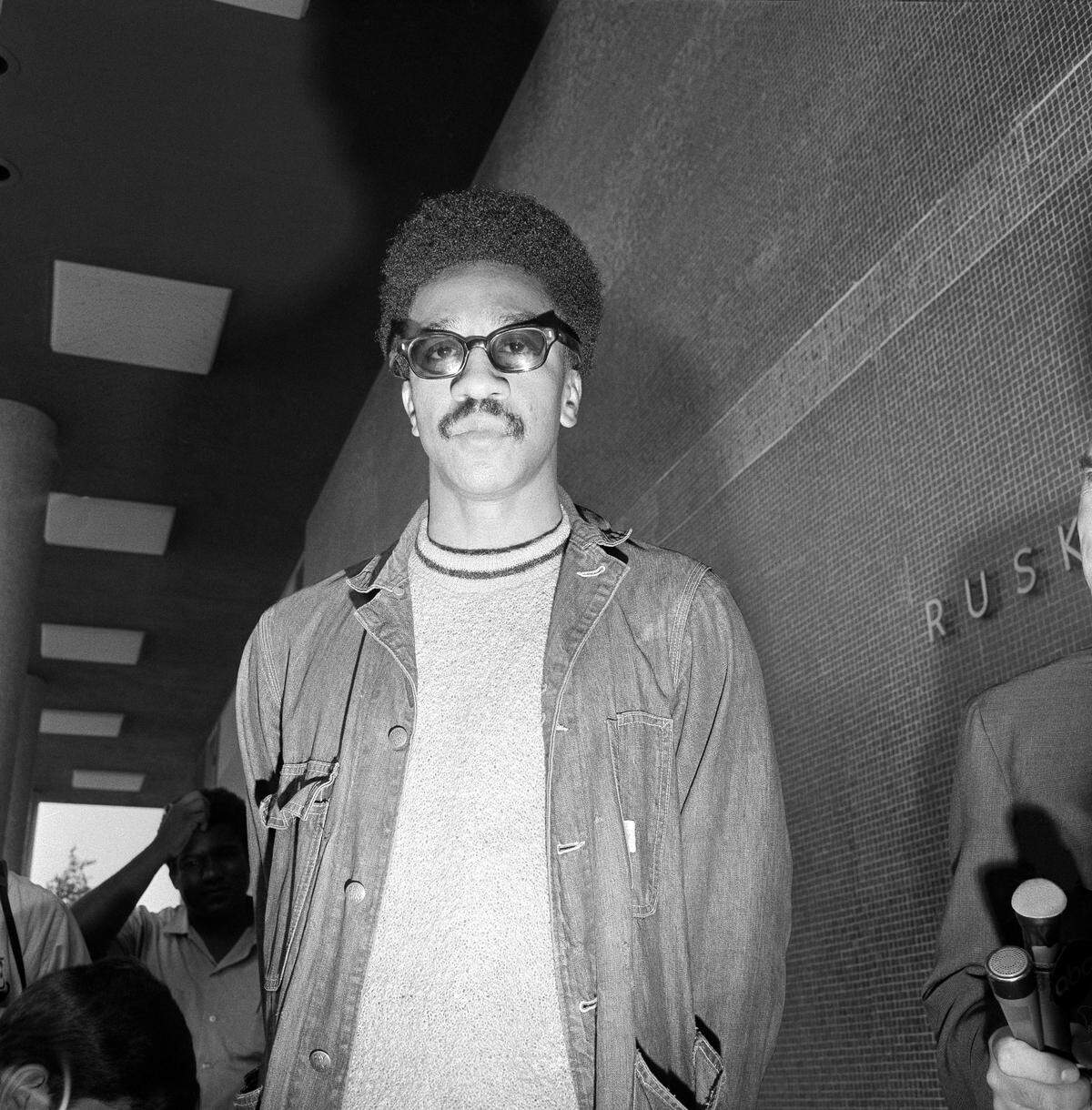
As great writers often do, Rembert Brown challenges the reader’s perceptions of H. Rap Brown, a civil rights leader now known as Jamil Al-Amin, who has sat in a federal prison since 2002. Without giving too much away, part of what makes Brown’s narrative so compelling is the timing: of Al-Amin’s rising national profile in the late 1960s; of his murder trial just four months after the 9/11 attacks and, perhaps most notable, of the article’s publication.
Brown goes into that last piece in the following excerpt:
Following a year of uprisings, an attack on the Capitol, and an election cycle that further illuminated a flawed government and a divided nation, in a society that freely questions the abolishment of the police, and amid a culture war that only intensifies — the revolutionary life, words and trials of Jamil Al-Amin must be considered, in all of their discomfort. Our world is juggling a collection of breaking points, but it’s not the first time we’ve been here. And it’s helpful to hear from those who thought the most clearly, during the most tumultuous times.
The year 2020 sparked a debate on socially acceptable language. What’s next?:
Less talk, more action.
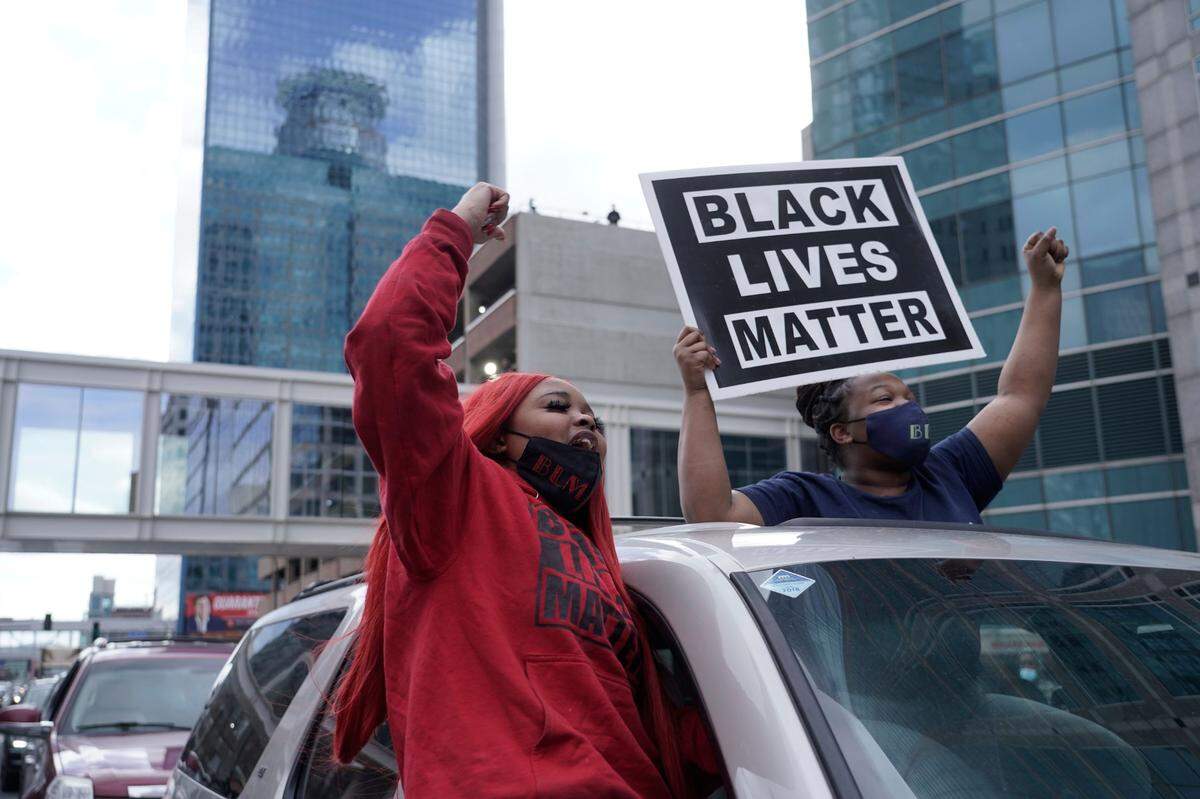
While last year’s protests over the murder of George Floyd ignited a thirst for acceptable language, the goal should never be to talk a good game. Real action — not just the adoption of different verbiage — is needed. Sure, understanding the acronym “LGBTQIA+” and knowing the difference between “enslaved people” and “slaves” is important, but it means virtually nothing as long as same-sex couples have to fight to receive Social Security survivor benefits (something they were only recently granted Monday) or Black people are still less likely to receive a bank loan than their white counterparts.
A passage from the story illustrates this point perfectly:
Such observations are borne out in a national survey this year by Jennifer Chudy, a political scientist at Wellesley College. Even white Americans with the highest levels of concern about racial discrimination, she found, ranked activities like “listening to people of color” or “educating myself about racism” as more important than “choosing to live in a racially diverse community,” “bringing racial issues to the attention of elected officials,” or voting.
UF restricted five other professors’ participation in legal cases against the state:
University of Florida administrators have seemingly grown more restrictive in letting its professors testify as expert witnesses in trials that dispute conservative policies, the Herald/Times Tallahassee Bureau learned recently. The report follows the news that three scholars were initially barred from participating in a voting rights case against the state only to be eventually cleared — just without pay.
Since the start of 2020, UF has prevented at least eight professors from testifying. The reasoning?
“UF is an extension of the state as a state agency, litigation against the state is adverse to UF’s interests,” Gary Wimsett, UF’s assistant vice president for conflicts of interest, told a professor via email.
The widespread criticism has sparked an internal review of UF’s conflict-of-interest policy as well as an investigation by Southern Association of Colleges and Schools’ Commission on Colleges, the institution’s accrediting body.
HIGH CULTURE
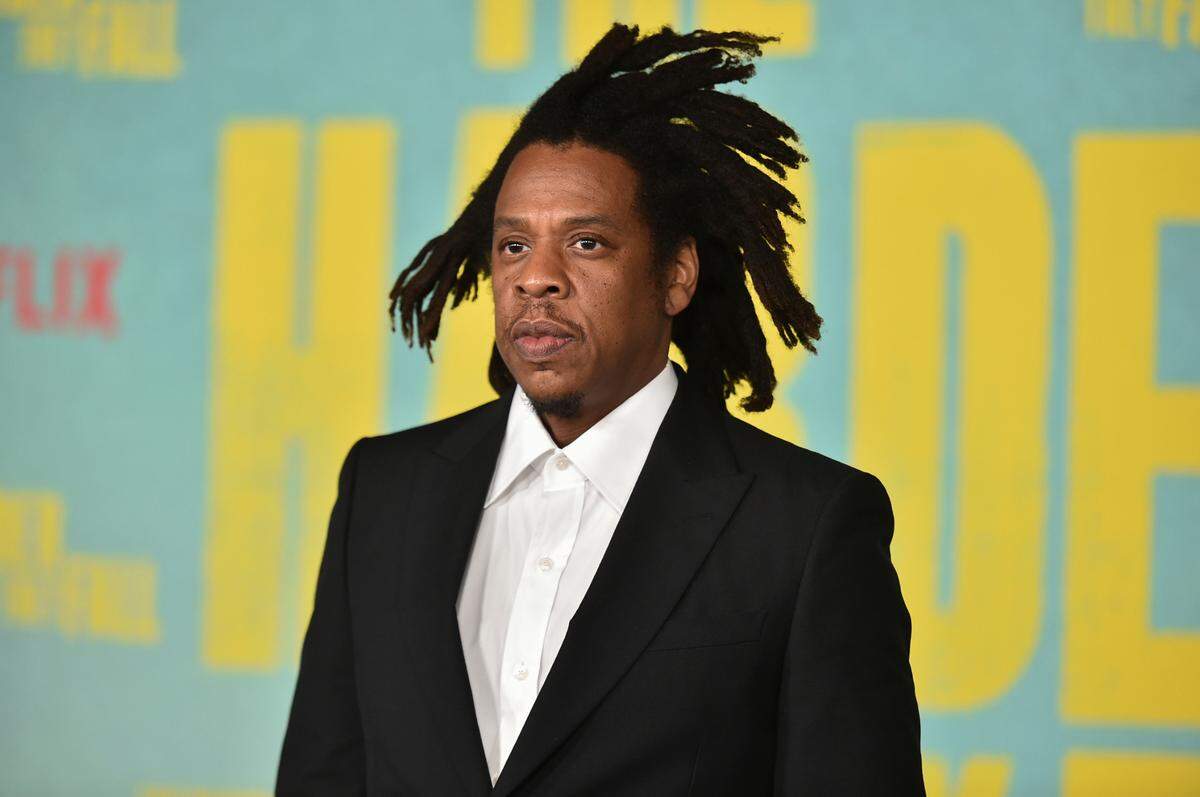
“Hall of Fame Hov I did it all without a pen.”
A big congrats to Jay-Z for his induction into the Rock & Roll Hall of Fame. The Brooklyn-born MC became just the eighth hip-hop act to receive such an honor. Hov joined Tupac and The Notorious B.I.G. as the only solo hip-hop artists in the Hall of Fame. The other five are groups: Grandmaster Flash & the Furious Five, Public Enemy, Beastie Boys, Run DMC and N.W.A.
In addition to his Hall of Fame induction, Jay-Z finally joined Instagram this week — albeit just to promote “The Harder They Fall,” an American Western about the unheralded lives of Black cowboys. (He has already deleted his account.)
The film, released Wednesday on Netflix, boasts an all-star cast that includes Idris Elba, Regina King and Jonathan Majors.
Where does “The 44 Percent” name come from? Click here to find out how Miami history influenced the newsletter’s title.
This story was originally published November 4, 2021 at 3:30 PM.