‘Bonded By Tragedy’ recounts 30 days in Surfside as families awaited answers
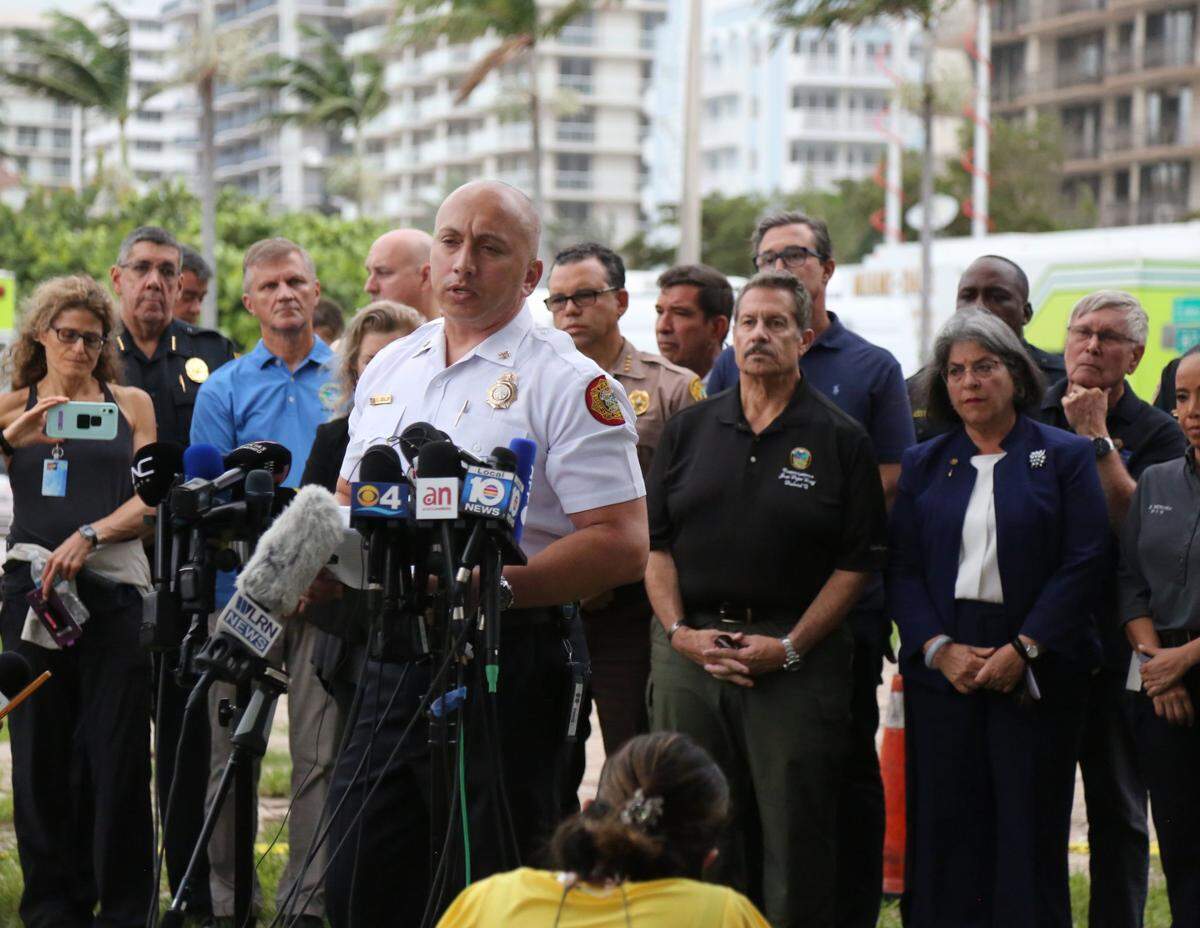
In the aftermath of the collapse of Champlain Towers South, Miami-Dade Fire Rescue Assistant Chief Ray Jadallah thought he would be supervising a search-and-rescue operation that would reunite distraught relatives with loved ones trapped in the rubble. He thought he would be giving a message of hope to many family members waiting for answers in Surfside.
Instead, as the days and nights wore on, Jadallah realized he could only deliver bad news. No one was pulled alive from the pile after the initial hours when only four injured people were rescued from atop the rubble. After that, there were no survivors. In the month that followed, the toll grew to 98 dead. Their remains were all found and identified.
“Historically, in many collapses and incidents locally and internationally, we’ve had nothing but success finding people,” Jadallah said. “We really did expect we would find survivors. But the type of pancake collapse we were dealt made our efforts futile. It became a relentless mission of recovering bodies with the goal of bringing closure for everyone.”
Jadallah volunteered for the grim responsibility of informing relatives about the fate of their loved ones. He talked to them every day in a conference room at the Seaview Hotel, 9909 Collins Ave. in Bal Harbour, about 10 blocks from the condo collapse site, where they gathered for updates. They cried in sorrow, lashed out in anger, held hands, leaned on each other, built trust and became friends.
What happened in that room, the crucible of the Champlain South disaster, is the subject of a compelling CBS4 documentary, “Bonded by Tragedy: 30 Days in Surfside,” that will air at 7 p.m. Wednesday. It was written and produced by CBS4 reporter Jim DeFede.
Families of victims form tight bonds
“People told me how they entered that room as strangers and became a new family unto themselves over the course of that awful month,” DeFede said. “They sat together forming bonds to the point that after getting the news about their own relatives, they continued to come back every day because the person they were sitting next to had not yet received any closure.
“I asked people if they were willing to go back into that room. They were nervous but returning there enabled them to hear the voices again and talk about what they endured.”
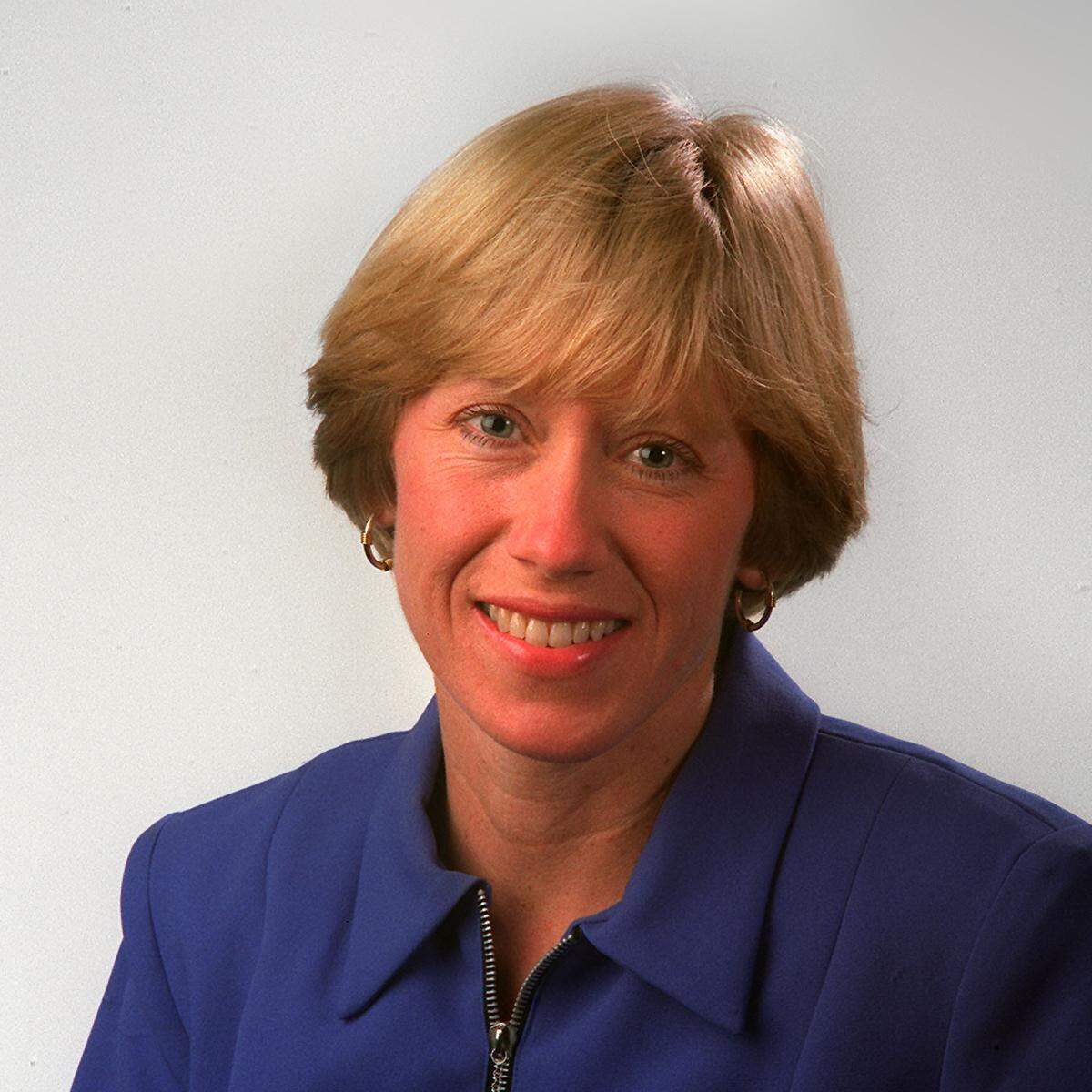
DeFede interviewed Jadallah and Miami-Dade firefighter/paramedic Maggie Castro about their 16-hour days interacting with family members as each went through the stages of grief. He also interviewed Stepanie Stoiloff, a commander in the police department’s forensics bureau who set up a lab at the hotel to expedite examination of DNA samples.
“I’ve done stories before where the focus is on the search efforts. I interviewed Ray after the FIU bridge collapse,” DeFede said. “What I found so different about what happened in Surfside was that families did not know for so long. You can have a plane crash and 100 people die, but there is a manifest and you know almost immediately who the victims are. In Surfside, they had to wait and wonder.”
Jadallah, Castro and Stoiloff promised relatives and friends they would be honest and transparent even as they had to explain in painful detail how they were identifying crushed bodies which were deteriorating in the rain and heat.
“In their minds, they are picturing their family members intact and that wasn’t the case anymore,” Castro said. “Giving them that news, they just sank.”
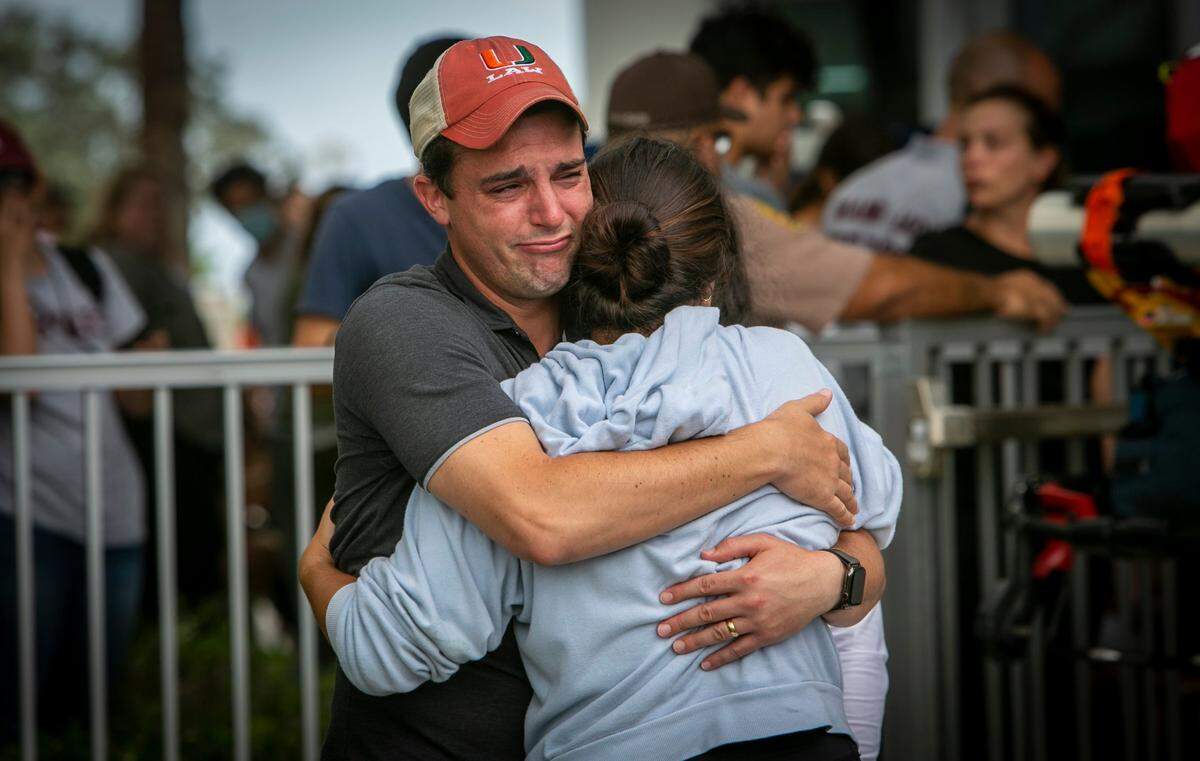
DeFede interviewed two friends of victim Estelle Hedaya, who came to Surfside from New York and stayed until Hedaya was the last of the 98 to be identified. Her forearm was found at a site in Doral where rubble was transferred.
Mike Stratton told DeFede that when his wife Cassie’s remains were recovered on Day 18, a Cartier love bracelet he had given her was also found, smashed but intact.
“There was a reasonable chance people were so pulverized that they might not have ever found everybody or enough remains,” Stratton said. “So I was thrilled they found her and we could come to terms with that with our family.”
Castro said the relationships grew so strong that her emotions began to mirror those of the relatives.
“Every time they’d come up to me and we’d hug and they’d say, ‘They found my sister today,’ or ‘They found my mom today,’ I felt a sense of relief with them,” Castro said. “It’s a little comforting that we brought everybody home. Everybody who was in this room got their closure and got their family members back.”
Miami assistant chief of Palestinian heritage, Israeli first responders
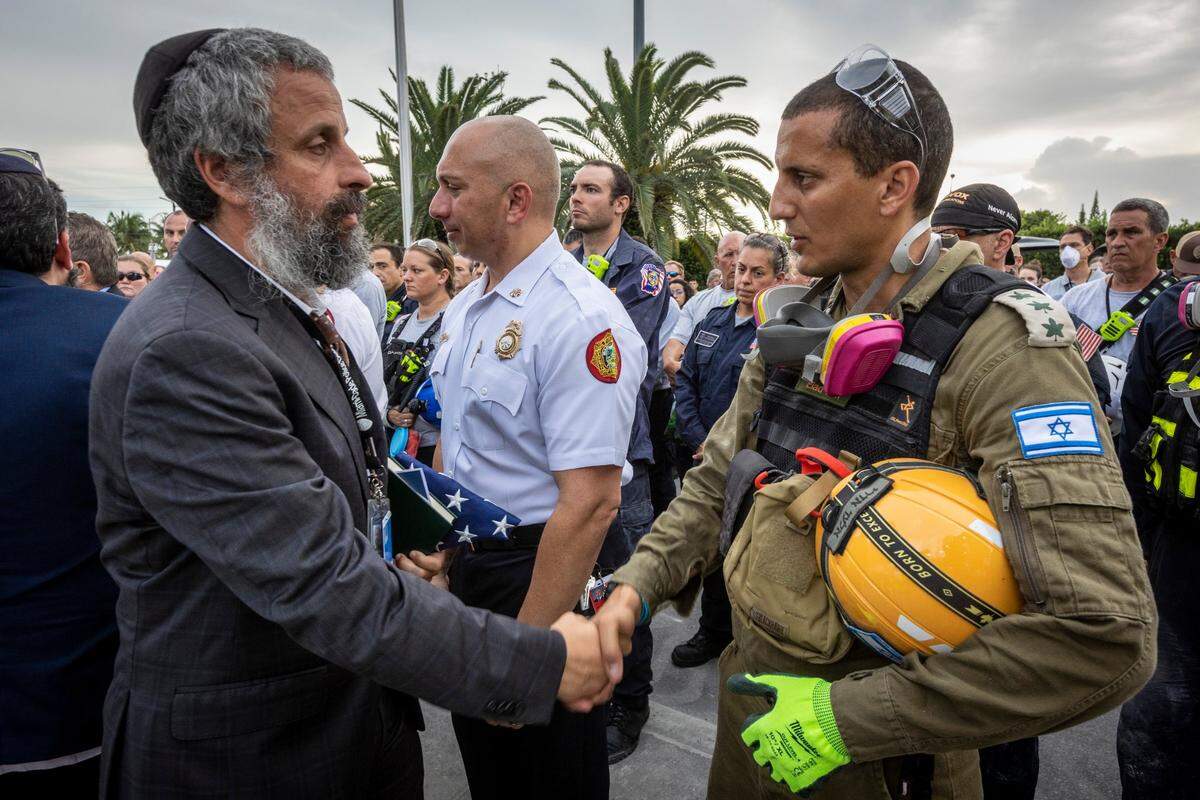
DeFede said he was drawn to the story by the threads of hope he found running through it. One involved Jadallah, whose parents immigrated to the United States from the Palestinian city of Ramallah in the West Bank. He is a practicing Muslim.
“It’s the crazy nature of Miami that a first-generation Palestinian leads the recovery efforts for a building that was mainly occupied by Jews, and he winds up working with the Israel Defense Forces rescue team,” DeFede said. “Some family members had questions about Ray’s background. He never gave it a second thought. Religion played no role. He says his community, his family is the 3 million residents of Miami-Dade County. He would talk to Col. Elad Edri from the IDF about his family’s home in Ramallah and Edri would tell him, ‘We know that neighborhood.’
“Here we see how people can transcend divisions in a crisis and turn it into hope.”
Jadallah said any initial apprehension faded when families saw the care and compassion of the rescue workers. He attended three Sabbath dinners held in the conference room. Before returning to Israel, Edri pinned colonel stripes on Jadallah’s uniform in a farewell ceremony. Next month, members of the county’s search-and-rescue task force are visiting Israel to exchange expertise with IDF specialists.
“It’s always hard to tell dark stories and find some light,” said DeFede, who worked for two months on the documentary. “Ninety-eight people lost their lives. Yet in the worst of times, the best of people can come out. The people who were willing to talk to us wanted to share something unique and powerful about this experience.”
The bonds remain. Jadallah still receives and sends texts to family members, or they talk on the phone and “we check in on each other,” he said.
Effect on first responders
But the traumatic month in that room has left scars.
“I think you find your way through it but you don’t get over it,” said Stoiloff, who cried every night on her way home. “Nobody came out unscathed.”
Said DeFede: “This will always be part of them. Anyone who spent time there will be changed. Even when I spoke to them they are still processing, still trying to understand.”
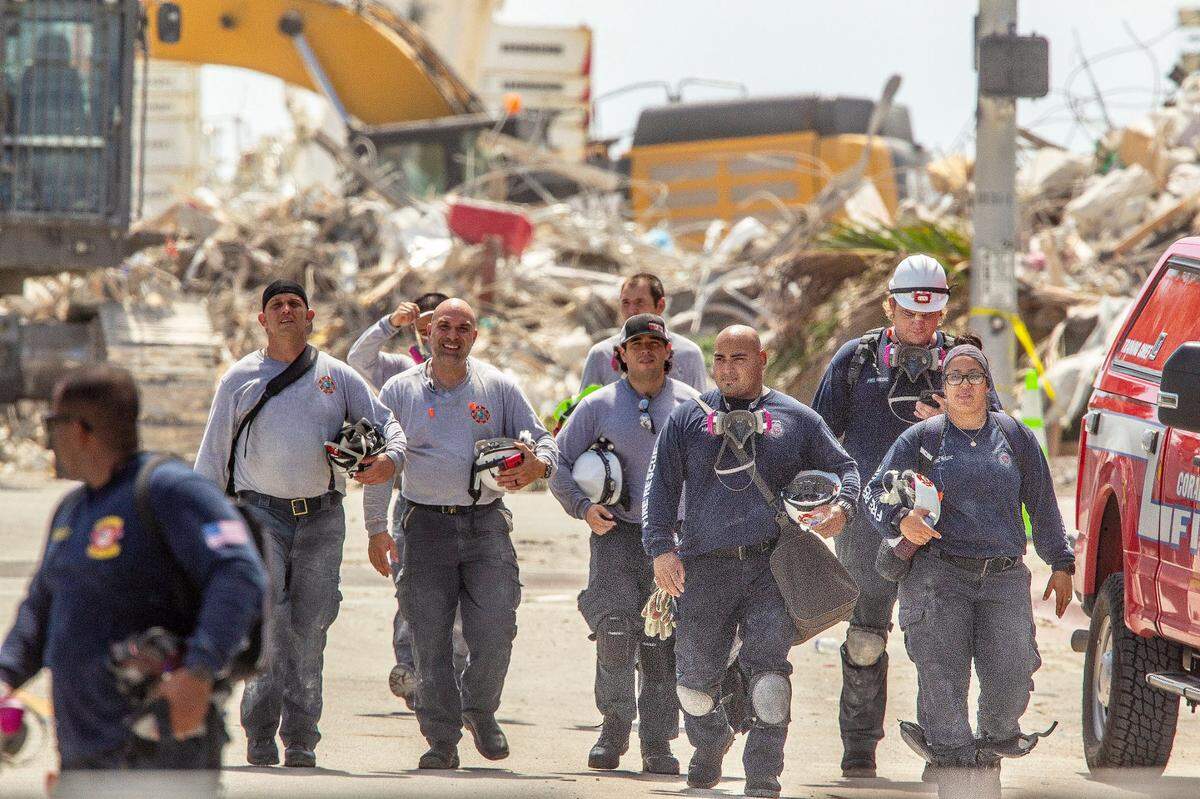
.jpg "CONDO COLLAPSE (7).jpg")
Jadallah said returning to the room triggered emotions he had repressed.
“As many hours as I spent there, the amount of death and despair, a month without end — walking in was a trigger,” he said. “I’m doing OK. I rely on one or two unsung heroes and we talk.
“And then when I hear from a family member — one recently flew in from out of the country to thank us — that really helps me with my mental health.”
The 60-minute, commercial-free documentary “Bonded by Tragedy: 30 Days in Surfside” airs at 7 p.m. Wednesday on Miami’s CBS4 Channel 4.
This story was originally published October 20, 2021 at 6:00 AM.