
Courthouse’s most famous visitors never go in. They perch on the roof, eating garbage
READ MORE
Is it safe to reopen the Miami-Dade civil courthouse?
Miami-Dade let planned repairs lapse at its civil courthouse, which is now closed after an inspection sparked by the Surfside condo collapse.
Expand All
Miami-Dade let repairs slip at courthouse, and decades go by without recertification
Requiem for a landmark? Dade courthouse’s future is uncertain but its past is glorious
Timeline: Important milestones for the Miami Dade County Courthouse
Courthouse’s most famous visitors never go in. They perch on the roof, eating garbage
Need to visit a Miami courthouse? COVID has led to changes, so here’s what to expect
In its long history, many esteemed jurists, brilliant lawyers and high-profile plaintiffs and defendants have walked the halls of the Miami-Dade courthouse. Arguably, none of those visitors are more famous — at least judging by folklore and media coverage — than the ones that never enter its door but instead perch high on its roof, in between meals of rotting trash and roadkill.
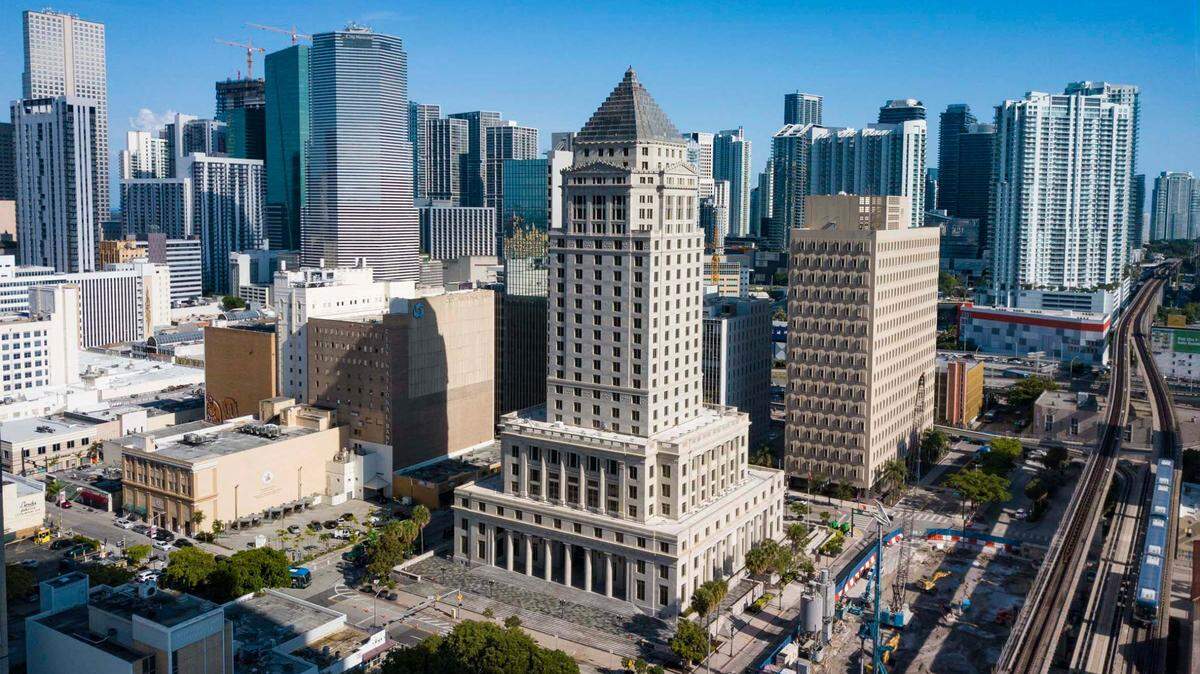
Each fall, turkey vultures trek thousands of miles to the Miami downtown area to enjoy the cool weather and roosting spots on tall buildings. The 28-story courthouse, the city’s tallest building until the early 1960s, has long been a favorite spot — its pyramid-stepped roof providing a lot of breathing space for the big black birds.
The vultures flock south for the winter because it’s difficult to find food in areas up north like Pennsylvania and Ohio, said Jim Dunster, the curator of birds at Zoo Miami. Cold weather means frozen food for the vultures, so they opt to make the journey down south instead. And they don’t just come to Miami or the courthouse.
But the lure of the building became something of the urban legend, when, over 25 years go, Marilyn Gottlieb-Roberts, a Miami-Dade Community College professor, theorized that the birds migrated from a small town called Hinckley, Ohio, which happens to hold an annual celebration when vultures return.
Miami-Dade biologist Sheila Gaby, however, once tagged almost 500 vultures from South Florida between 1977 and 1984 and found that they came from areas across the east coast including Michigan, Virginia, New York, Georgia, Ontario and Vermont.
Dunster said he is not sure where exactly they all come from but agrees they’re from all over the coast.
Wherever they come from, some vultures end up in the same place each year. Dunster said the Miami downtown area is a perfect match for the vultures to spend the fall and winter months because they have plenty of food options and areas to hang out.
Visitors can catch them sunbathing on the pyramid roof of the courthouse early morning before they head out to find food or soar through buildings. Upward flowing air between the buildings creates areas called thermals where they can float around in circles without having to flap their wings.
Dunster said the turkey vultures only feed on dead, decomposing animals or trash they find, so they aren’t looking to hunt from up there.
“It seems like it would be kind of a fun thing to do, just get out there, soar around in the air like that,” he said.
More people means more trash, which is good news for the vultures, Kristen Dubé, a veterinarian at the Phillip and Patricia Frost Museum of Science, said. They’re not afraid of people and choose that area because it’s the most comfortable for them to rest, she said.
“Just like the tourists do, they want to sit out and enjoy the nice weather and they find whatever place they can do that,” she said.
Turkey vultures are social and migrate in very large blocks, so they end up wanting to find a nice place to rest together at the end of the day or between meals, she said. Through eating our trash or dead animals, the vultures also help keep dangerous bacteria or diseases from spreading to other animals like cats and dogs, she said.
Though vultures don’t have the greatest reputation, Dubé appreciates their return every year and thinks others should as well. She calls them “nature’s clean-up crew.”
“They are just simply providing us a service and are enjoying the nice winter South Florida weather as the rest of us do,” she said.
This story was originally published August 11, 2021 at 6:00 AM.