The 44 Percent: Pride, critical race theory and Harriett Tubman $20 bill
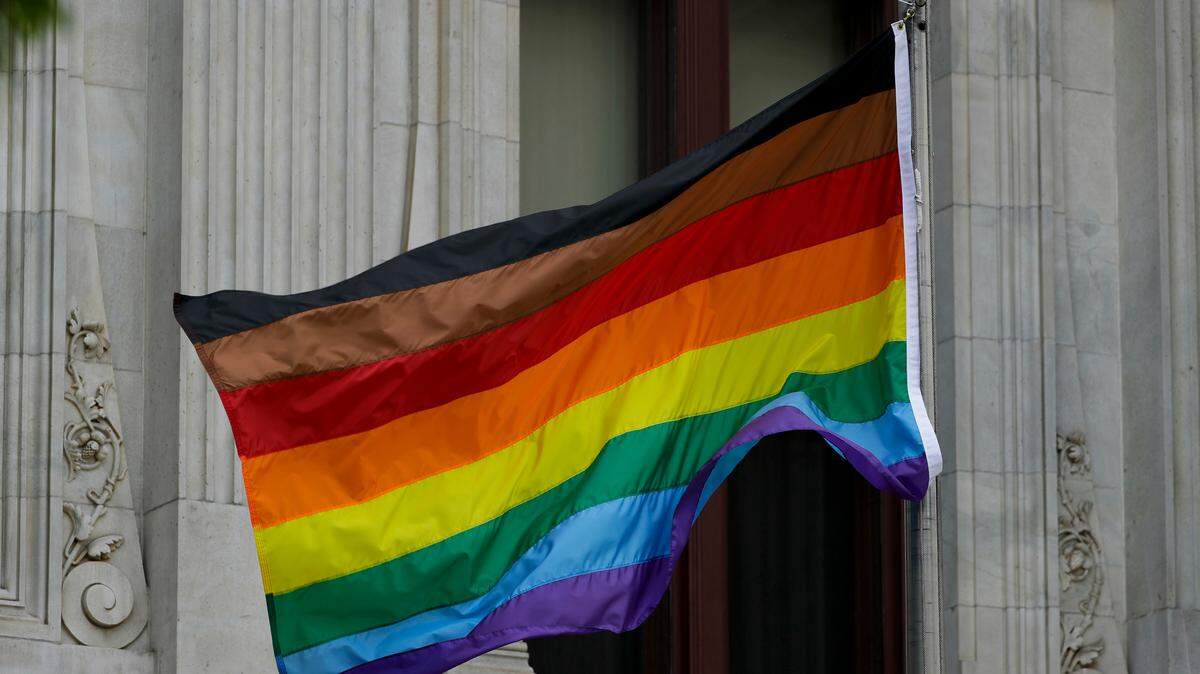
This goes out to Miami’s “progressive” reputation.
Last minute tickets put me right in front of a family of three at Wednesday night’s Miami Marlins game. I’m not much of a baseball fan so I’ll spare you the details on how the game ended; just know it wasn’t pretty. The game itself, however, doesn’t really matter. What does matter was that in the midst of this losing spell, the father behind me screamed something I haven’t heard since middle school:
“F**”
I was stunned. Not just because it’s Pride Month. Not just because he was slanging slurs at a baseball game like it was the 1940s. And not just because this was just eight days after Gov. Ron DeSantis signed a transgender athlete bill that LGBTQ advocates have called discriminatory.
What shocked me the most was that his son, who looked no older than 12-years-old, was well within earshot. And if the father feels comfortable throwing around pejoratives in public, God only knows what he’s saying behind doors.
Correct me if I’m wrong, but aren’t we supposed to raise our children to be better than us? Granted, my first child won’t be here anytime soon but homophobia is definitely not the example I want to set. Not today. Not in Pride Month. Not ever.
So if Miami still wishes to be a bastion of progressivism, she must take a long look in the mirror and ask, “Progress for whom?” Because discrimination against anyone — white, Black, gay, straight, etc. — isn’t something that’s inherent; it must be taught. And that teaching can no longer exist if we wish to grow as a community.
INSIDE THE 305
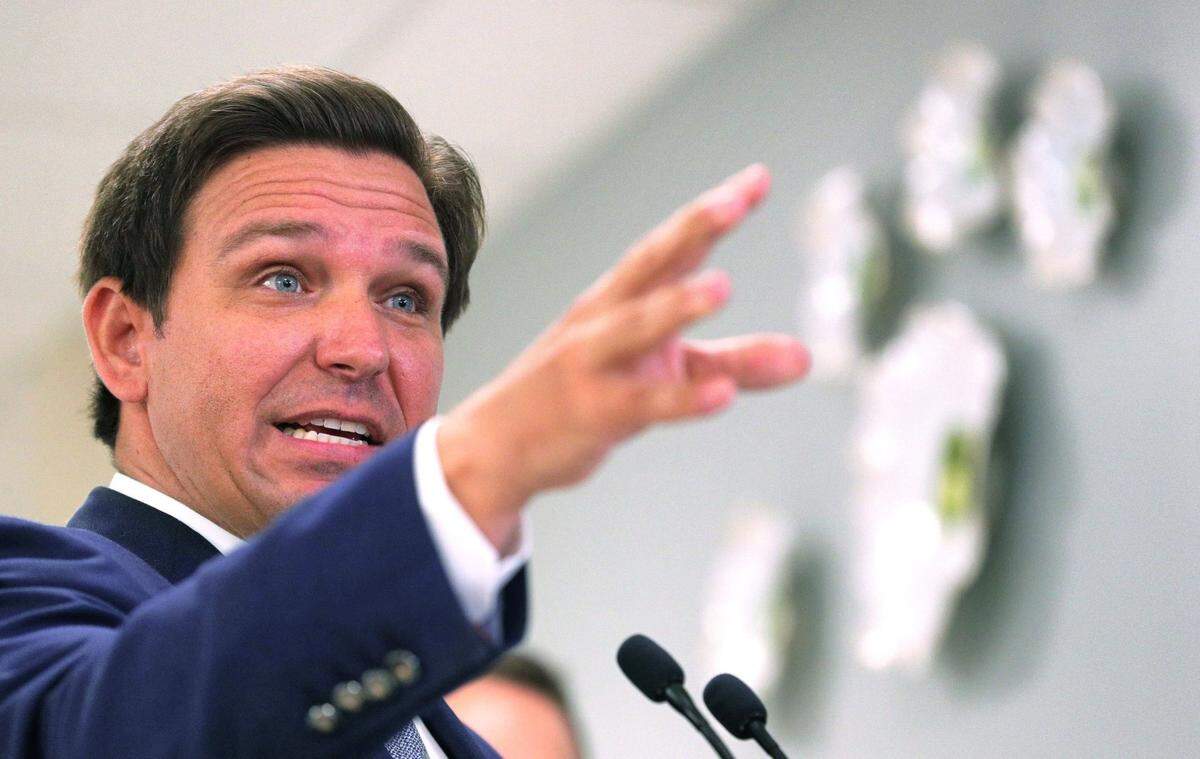
DeSantis attacks ‘critical race theory’ as state looks to change teaching guidelines:
A quick list of things that I didn’t learn about in history class: the Tulsa Race Massacre, Malcolm X and the Black Panthers.
Though my primary education didn’t occur in Florida, I thought it was worth mentioning as Gov. Ron DeSantis continues to rail against critical race theory and the State Board of Education’s recent ban of teaching the concept in Florida classrooms. A big supporter of the measure, DeSantis wants the rule in place to further dissuade any teaching of critical race theory – even if it’s not currently part of any Florida school district’s curriculum.
And just why does DeSantis dislike critical race theory? Well, he doesn’t want white kids to feel bad for themselves. No, seriously:
“You teach the facts. You teach everything that has happened. But critical race theory is basically race essentialism,” DeSantis told reporters last month. “It teaches people to view that as the most important characteristic and obviously, if you are of certain races — Caucasian or whatnot — they view that in a negative light.”
The lack of empathy is astounding – as if current curricula totally make little Black or Latino kids feel good about themselves.
Like I said, my schooling might not have occurred in Florida but certain aspects of the U.S. education system – namely the reinforcement of white essentialism and non-comprehensive teachings of Black, Latino and Native American history — are universal. A quick example: I was assigned to do my fifth grade history project on William Tecumseh Sherman, a man who’s widely revered for his leadership in the Union army but also very clearly a white supremacist, the latter of which was not once mentioned in my teaching.
Related Stories:
An explanation of critical race theory and why it’s under attack
State GOP lawmakers try to limit teaching about race, racism
Biden is giving millions to cities. Groups curbing gun violence say they should get some:
The gun violence here in Miami-Dade has officially gotten out of control. In the two years that I’ve lived here, I can’t remember a worse period.
And with Miami-Dade scheduled to receive more than $100 million from the federal government, a coalition of local community organizations believe they deserve a cut to further their work.
“We represent a healing and justice coalition of organizations individually that have been overlooked and underfunded when it comes to dealing with the root causes of violence in our community,” said Lyle Muhammad, executive director of The Circle of Brotherhood. “We’re not going to arrest our way out of this situation.”
In response to the recent string of shootings, Miami-Dade County did allocate $7.8 million to expand a program that provides summer jobs for troubled teens — and expands police’s surveillance capabilities. The funds being allocated to law enforcement particularly worry activists who believe an increased police presence in Black and brown communities has consistently failed to yield results.
“We have to get to the root cause of why gun violence occurs in a neighborhood,” explained Dr. Armen Henderson, Dream Defenders’ director of health programs and a University of Miami physician. “They are grossly underfunded, elected officials are not listening to community-based solutions [and] public safety is different when it comes to dealing with people in urban communities.”
With the funds, activists say they will expand their programming, which already includes counseling, classes on bandaging gunshot wounds and youth actives, to resemble something similar to the Newark Community Street Team. Founded by Newark Mayor Ras Baraka in 2016, NCST consists off locals who are trained on how to essentially police their own neighborhoods, an effort that has led to record lows in homicides for four consecutive years.
OUTSIDE THE 305
Is the stimulus behind the increased number of small businesses in Black communities?
Amid all the tragedy of the pandemic, there might be a glimmer of hope in the form of Black entrepreneurship.
A new study found that the nationwide surge of small businesses was greatest in Black communities, an increase that coincided with the federal stimulus. Although researchers can’t yet definitively attribute the growth in new businesses to the stimulus, the timing and rise make it difficult to suggest otherwise.
“Start-ups have always fallen in recessions,” John Haltiwanger, an economist at the University of Maryland who studies business formation, told The New York Times. “This is the only one I know where start-ups grew.”
An analysis of more than two years of business registration records from eight states (Florida, Georgia, Kentucky, New York, Tennessee, Texas, Vermont and Washington) led to this discovery. Included in the records were ZIP codes that, when mapped, showed the influx in business registrations was greatest in primarily Black neighborhoods. Regardless of what was the control, the quantity of Black residents in a ZIP code impacted the start-up growth rate the most.
“It feels significant that we saw this big response in neighborhoods where it doesn’t typically happen,” said Catherine Fazio, director of M.B.A. programs at Boston University. “When you remove those gateways that have worked in some ways to limit access for certain communities, then you really do unleash potential.”
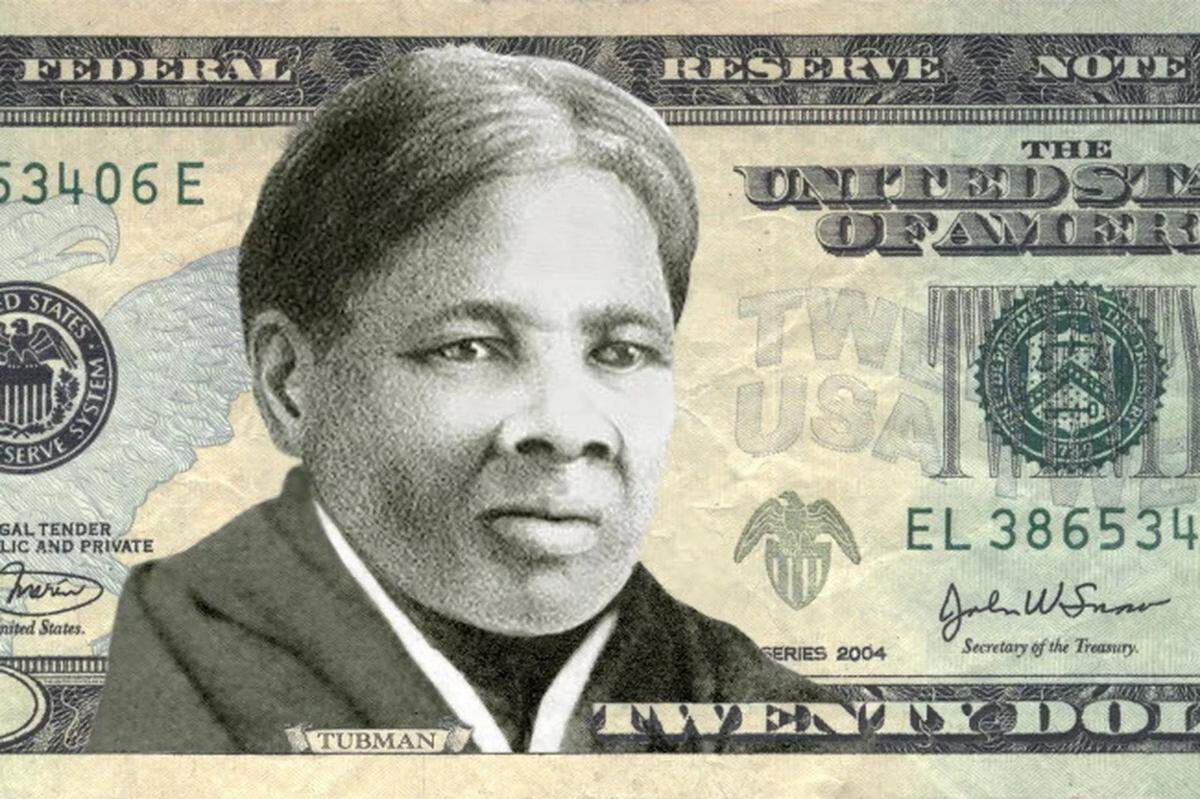
I’ve been wanting to stunt with some Tubs for a minute but it looks like that might not happen any time soon.
Despite the Treasury Department announcing that Harriett Tubman will replace President Andrew Jackson on the $20 in 2016, the abolitionist is not expected to appear on the bill by the end of President Biden’s first term – or even a potential second term, according to The Washington Post. Estimates are that the Tubmans will be in circulation by 2030.
“If we can put a helicopter on Mars, we ought to be able to design a $20 bill in less than 20 years,” Sen. Jeanne Shaheen (D-N.H.) told The Post. “It’s all about commitment.”
Tubman would be not only the first African American to appear on U.S. currency but also the first woman in the modern era, according to The Post. Although critics like Shaheen believe a lack of intention is behind the delay, Treasury representatives contend that swapping Tubman for Jackson, whose ownership of slaves and removal of Native Americans led to the move, remains far more difficult than previously imagined.
“We are committed to the goal of redesigning U.S. currency to better reflect the history and diversity of our country,” Len Olijar, director of the Bureau of Engraving and Printing said in a statement. “But the security of our currency remains paramount.”
Whatever’s the case, I need my Tubs ASAP.
HIGH CULTURE
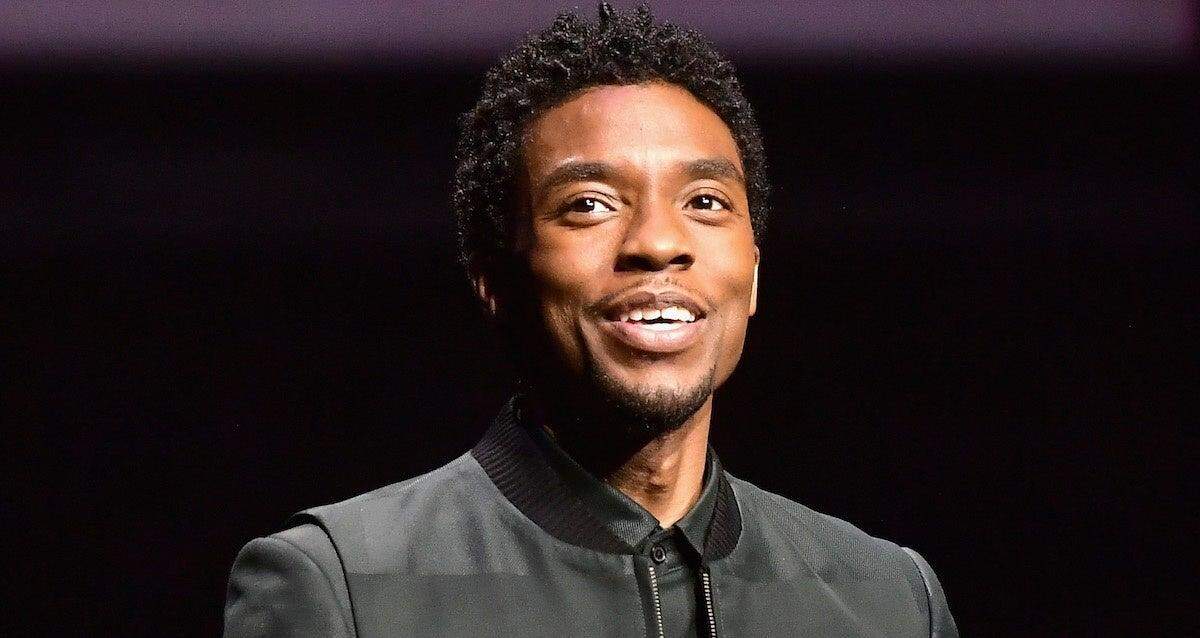
Howard University renames College of Fine Arts after Chadwick Boseman
To memorialize Chadwick Boseman, Howard University will rename its College of Fine Arts after its iconic alum. Boseman, who passed away in August 2020, graduated from Howard in 2000 and went on to star in several films including “Ma Rainey’s Black Bottom,” “42” and of course “Black Panther.” He also delivered a tremendous graduation speech at his alma mater back in 2018.
“Chad was a very proud Bison,” Boseman’s widow Simone Ledward-Boseman, told The Washington Post, referring to the university’s mascot. “ . . . The reestablishment of the College of Fine Arts brings this part of his story full-circle and ensures that his legacy will continue to inspire young storytellers for years to come.”
Excuse my lateness with working this one in here — The Post reported this in late May — but it still deserves recognition.
Where does “The 44 Percent” name come from? Click here to find out how Miami history influenced the newsletter’s title.
This story was originally published June 10, 2021 at 3:15 PM.