New report details safety issues that led to Miami organ recovery group’s closure
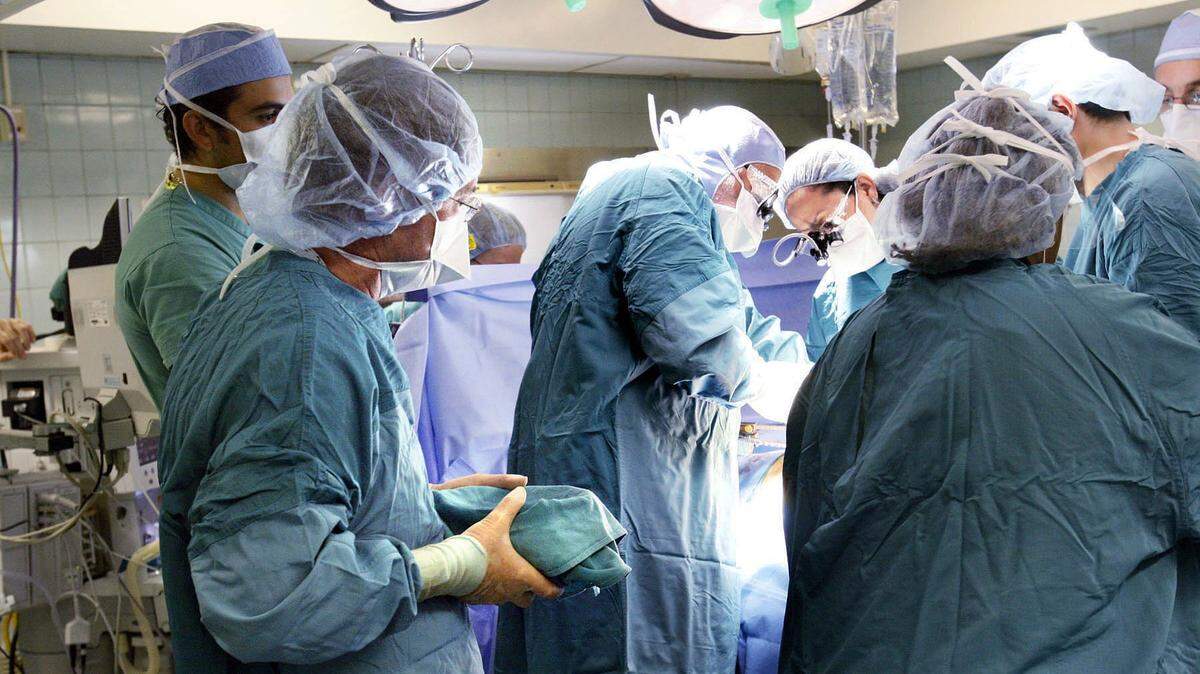
Sending hospitals the wrong organ. Severe understaffing. Failing to properly identify at least one organ that tested positive for an infectious disease known to cause complications in transplant patients.
Those are some of the reasons why the Miami-based nonprofit tasked with recovering organs for transplantation across South Florida and the Bahamas was ordered shut down last year by the federal government, records show.
A 32-page report recently obtained by the Miami Herald through a public records request details the troubling and repeated issues that were recorded over the past seven years at the Life Alliance Organ Recovery Agency, a division of the University of Miami Health System.
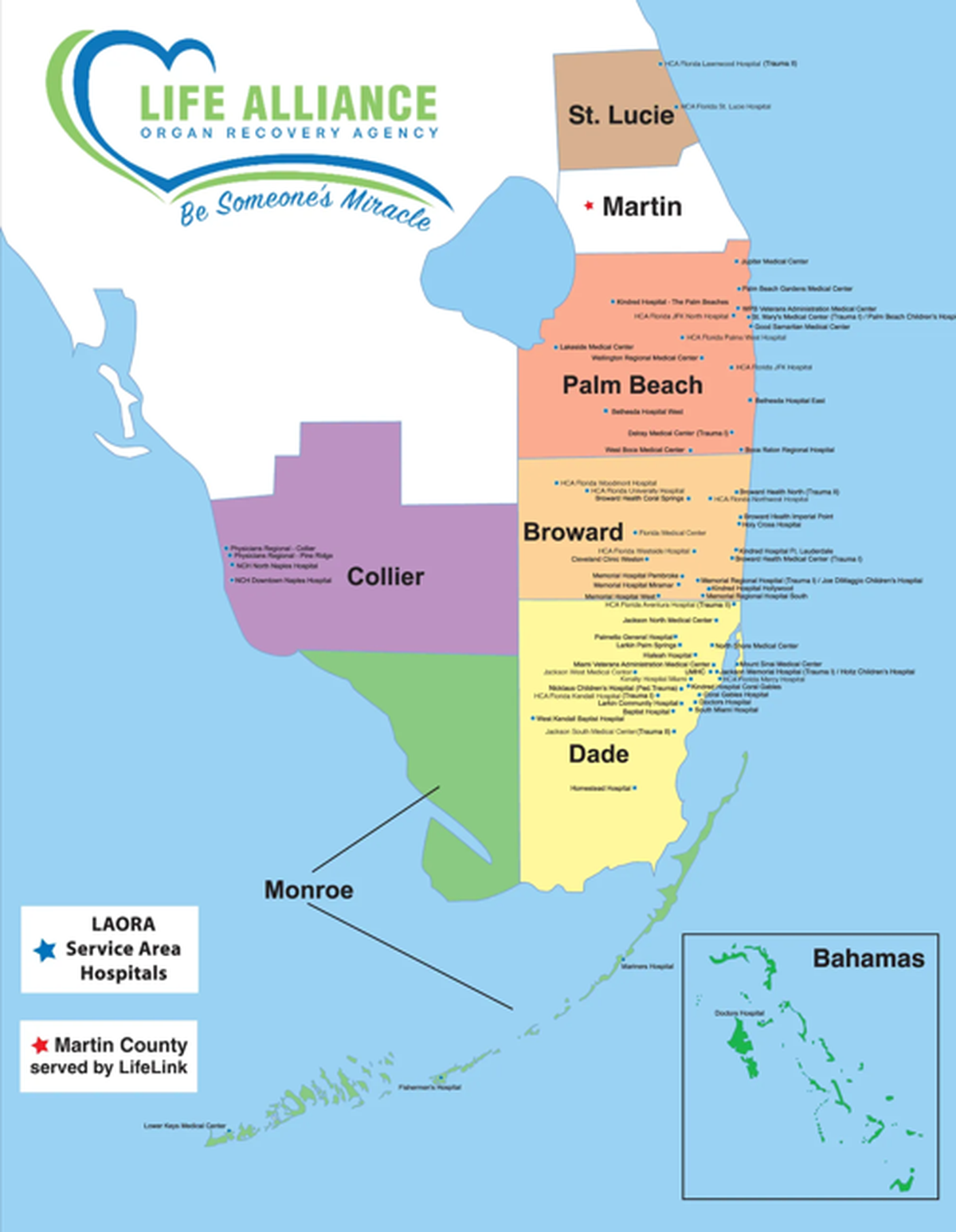
The problems pushed federal regulators last year to decertify the Life Alliance organ procurement organization (OPO), which was founded in 1978, marking the first time in history an organ procurement organization was decertified “mid-cycle,” since its certification was in place until 2027 at that time. A Las Vegas-based group was later tapped to take over Life Alliance’s service area across six South Florida counties — Miami-Dade, Broward, Palm Beach, Monroe, Collier and St. Lucie — and the commonwealth of the Bahamas.
Details were scant at the time, with federal regulators saying that an investigation into Life Alliance “uncovered years of unsafe practices, poor training, chronic underperformance, understaffing, and paperwork errors.” Health Secretary Robert F. Kennedy Jr. said the group’s consistent staffing shortages across the years “may have caused as many as eight missed organ recoveries each week, roughly one life lost each day.”
The August 2025 report obtained by the Herald from the U.S. Centers for Medicare and Medicaid Services gives a bit more insight into the findings. Here are the highlights:
Sending the wrong organs to hospitals
The report lists three incidents at unidentified hospitals where staff did not properly label recovered organs, a mistake that forced doctors to cancel planned transplant surgeries, delaying patient care. The dates appear to correspond to when reports were written or meetings were held to document and discuss the errors.
March 6, 2023: A patient needed a left kidney. Doctors received a mislabeled right kidney. “[Provider] was concerned the kidney might not have been from the correct donor, since when they contacted [the organ procurement organization], the OPO reported they were very busy managing multiple donors ... Because of this, [Provider #A] didn’t transplant the kidney,” according to the report.
A review of the mishap found that four Life Alliance members tasked with organ verification did not do their job. The staff members verified the kidney only using the label, instead of visually verifying the organ, as required by policy. One staff member said she was never trained to visually verify the organ. Another staff member said “he looked at the organ and thought he saw a right kidney ... but a left label was affixed, and the left kidney was what was expected.” The report states that he “did not follow training or procedure.”
Nov. 21, 2023: A visiting surgical team from Minnesota procured and packaged the wrong lung and refused to allow Life Alliance members to photograph the organ, a process that is part of organ verification. Life Alliance did not know the wrong organ was taken until the surgeons called to say they took the left lung, instead of the right lung.
The “staff took their eyes off what was happening around them,” an unnamed member of the Life Alliance’s leadership team said in the report. “They allowed themselves to be intimidated by the visiting surgeons, including allowing them to act on their own and to usurp the OPO’s responsibilities for packing, labeling, and laterality verification.” Life Alliance in December 2023 issued “disciplinary actions to team members who were involved in the case,” according to the report.
May 21, 2024: A surgeon called off a heart transplant surgery while in the operating room due to Life Alliance’s inability to verify that the donated heart was the correct organ for the patient. The report explains that the wrong organ verification paperwork was provided to the surgeon and that he “ultimately refused the organ, which meant we had to reallocate the heart.”
An unnamed medical director acknowledged in the report that this wasn’t the first time a problem had occurred due to staff not properly reading paperwork, with an executive director stating that “We do not understand the gravity of what we are doing. This is on us.”
“Although we [ staff] all talk about accountability, when it comes down to it, none of us seem to want that ... we will never learn without significant consequences,” the executive director said.
Testing failure
Another error highlighted in the report involved recording inaccurate test results in September 2024 for a liver that tested positive for a common infection that can be deadly for people with weakened immune systems, such as transplant patients.
The report indicates that the organ procurement organization initially listed the liver as testing negative for cytomegalovirus, or CMV, a common virus that stays dormant in the body for life after infection and can sometimes reactivate. The liver actually tested positive, indicating a current or former CMV infection.
The problem was discovered during a pre-allocation huddle and stemmed from the nonprofit lacking “clear policies to ensure that all staff understood how to screen for specified communicable diseases,” according to the report.
CMV is extremely common. Nearly 1 in 3 children are infected with the virus by age 5, with over half of adults infected by age 40, according to the U.S. Centers for Disease Control and Prevention. Most people will never experience symptoms.
But CMV-positive organs can sometimes cause a new infection, or reactivate an existing dormant infection, in transplant patients, increasing the risk of complications, including organ failure and organ rejection.
CMV testing helps doctors create a treatment plan to reduce the risk of complications.
In the liver mix-up, Life Alliance fixed the mistake, notified the transplant center, and the transplant was successful, according to the report.
Staffing shortages
Life Alliance was also struggling to retain staff and ensure they were properly trained. As of May 2025, Life Alliance had a 52% vacancy rate for “critical” positions needed to “provide effective oversight of the organ recovery program” and did not have any training specialists on staff, according to the report.
“Based on staff comments related to a lack of training, this current level of staffing will continue to contribute to increased errors in organ allocation, donor management, and verification processes; reduced quality in oversight and compliance monitoring capabilities; and higher risk of policy violations,” the report states.
As of May 2025, Life Alliance did not have “sufficient staffing to ensure effective and efficient processes for placement of organs, effective and adequate oversight of organ recovery to provide services to families and hospitals,” according to the report.
Who is handling organ recovery in South Florida now?
South Florida Donor Network officially took over operations from Life Alliance on March 27 and will now be tasked with gathering organs and tissues for South Florida and Bahamian hospitals that offer heart, lung, kidney and other transplants, the Herald has confirmed.
That includes the Miami Transplant Institute, part of Jackson Health System, Miami-Dade’s public hospital network; Nicklaus Children’s Health System; Cleveland Clinic’s Weston hospital; Broward Health Medical Center, part of the Broward Health public hospital system that primarily serves northern Broward; Joe DiMaggio Children’s Hospital and Memorial Transplant Institute, part of Memorial Health System, the public health network that primarily serves southern Broward County.
The group is backed by the not-for-profit Nevada Donor Network that was founded in 1987 and is rated as a “Tier 1” organ procurement organization, which means it ranks in the top 25% nationally for donation and transplantation rates, based on the federal performance metrics. The South Florida Donor Network lists a local address in Miami Lakes.
“SFDN is committed to delivering seamless, high-quality, and compassionate services by working closely with hospitals, donor families, and community partners to ensure continuity of care and trust throughout the process,” the new organ procurement organization told the Herald in an email. “SFDN is honored to serve the heroic donors, their courageous families, and grateful recipients of the region.”