A Miami-area organ recovery agency could close after ‘unsafe practices’ found
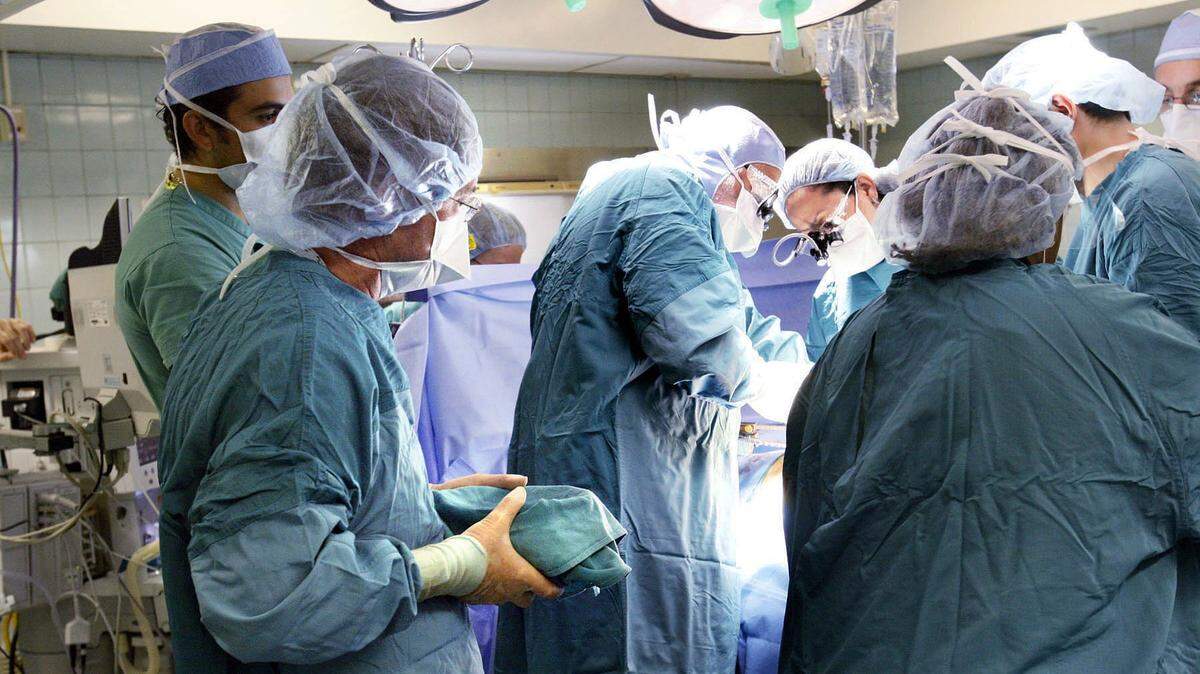
A South Florida nonprofit that recovers organs for transplantation could close after a federal investigation found years of unsafe practices and other problems.
Federal regulators are moving to decertify the Life Alliance Organ Recovery Agency, a division of the University of Miami Health System, following the investigation’s findings, the U.S. Department of Health and Human Services announced in a news release.
HHS wrote on X that this is the first time in history it will decertify an “organ procurement organization mid-cycle.”
Life Alliance is one of 55 federally designated nonprofits known as organ procurement organizations, or OPOs, that are tasked with coordinating the recovery of life-saving organs for transplantation across the country. Each organization is regulated by the U.S. Centers for Medicare and Medicaid Services and has a designated service area. Life Alliance services hospitals across South Florida and the Bahamas, according to its website.
The investigation “uncovered years of unsafe practices, poor training, chronic underperformance, understaffing, and paperwork errors” at the nonprofit, according to HHS. The news release doesn’t elaborate on the findings, though it does state one example: “In one 2024 case, a mistake led a surgeon to decline a donated heart for a patient awaiting transplant surgery,” according to HHS.
Health Secretary Robert F. Kennedy during a news conference Thursday described the decision as a “warning” to other organ procurement organizations that they may also face decertification if they do not operate properly.
The Miami-based organization “has a long record of deficiencies directly tied to patient harm,” Kennedy said at the news conference. The health secretary said the nonprofit’s consistent staffing shortages across the years “may have caused as many as eight missed organ recoveries each week, roughly one life lost each day.”
Life Alliance, in a statement to the Miami Herald, said it does not plan to appeal the decision and that it will “cooperate fully with HHS to ensure a smooth transition.”
“The top priority of the Life Alliance Organ Recovery Agency (LAORA) has always been safe, respectful, and compliant organ donation practices. ... We hope that other OPOs follow suit in putting patients first,” the Miami organization said in a written statement. “Our focus remains on protecting the dignity of donors, supporting their families, and advancing the life-saving mission of organ transplantation.”
The Miami-area nonprofit for years has helped gather organs for South Florida hospitals that offer heart, lung, kidney and other organ transplants, including the renowned Miami Transplant Institute. The institute is part of Jackson Health System, Miami-Dade’s public hospital system, and uses doctors from the University of Miami Health System.
“The Miami Transplant Institute is driven by a commitment to helping as many patients as possible on the transplant waiting list receive a lifesaving organ donation. We are optimistic that changes to the organ procurement agency that serves South Florida transplant hospitals will improve donations in the region, ultimately resulting in more people receiving the gift of life,” Jackson Health said in an emailed statement. “As we learn more details about the HHS announcement and the timeline of any OPO changes, we continue caring for our transplant patients and proceeding with business as usual throughout our program.”
The Herald is in the process of contacting other hospitals that offer transplants.
What patients should know
Health and Human Services Press Secretary Emily Hilliard told the Herald in an email that patients and hospitals in South Florida would “continue to have access to organ recovery and transplantation services” during the decertification process.
Once the termination process is completed, the U.S. Centers for Medicare and Medicaid Services would initiate a competitive bidding process for the service area, “ensuring continuity of services and patient safety.” Life Alliance would not be allowed to participate in the bidding process.
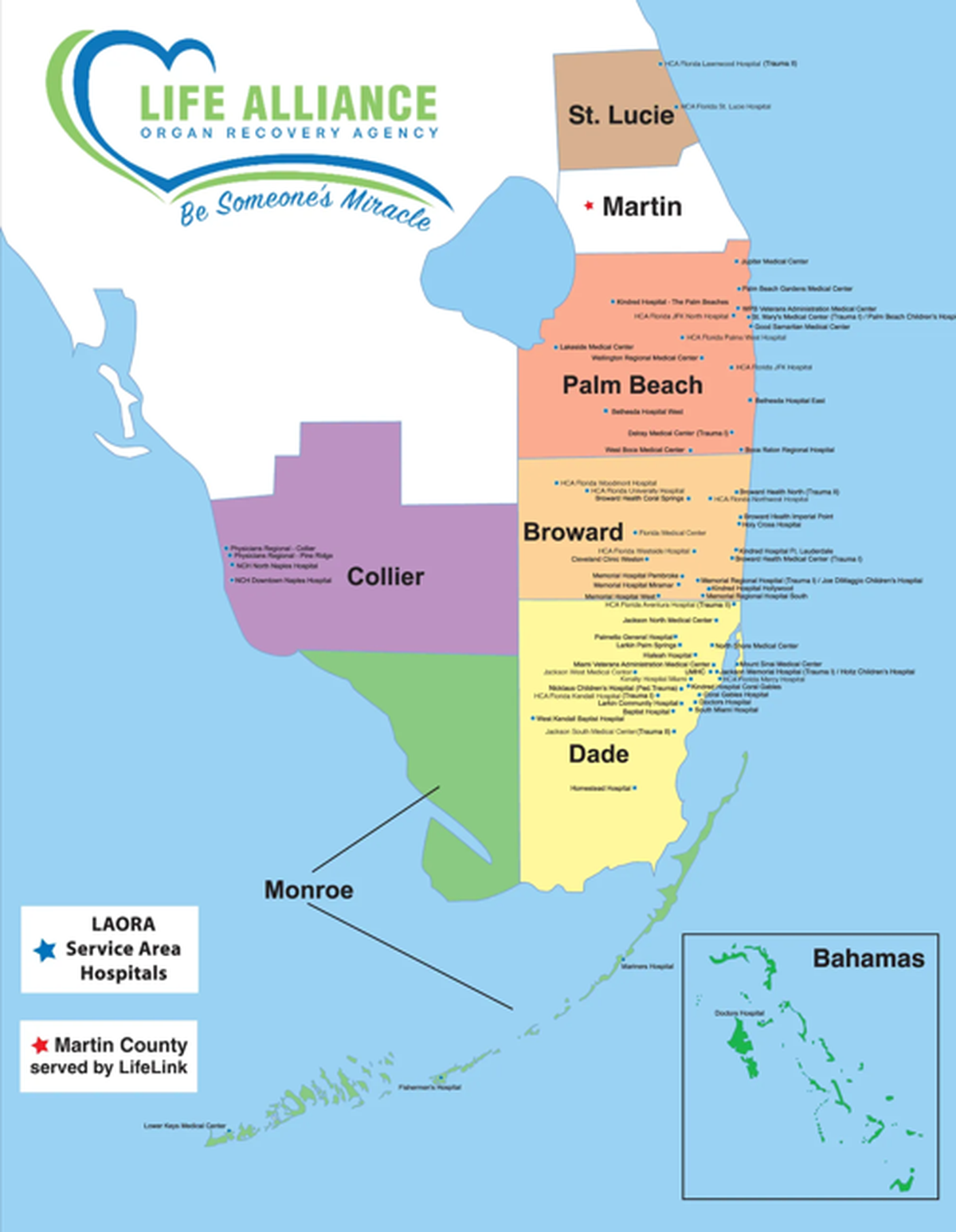
Previously known as the University of Miami OPO, the organization was founded in 1978 and is one of four organ procurement organizations in the state. It’s a division of the Daughtry Family Department of Surgery at UM’s medical school and became accredited by the Association of Organ Procurement Organizations in 2006, according to its website. Life Alliance’s website states that it services a population of more than 7 million people across six South Florida counties — Miami-Dade, Broward, Palm Beach, Monroe, Collier and St. Lucie — and the commonwealth of the Bahamas.
HHS said the decertification of the South Florida organization is part of Kennedy’s plan to reform the nation’s organ transplant system, which is under scrutiny over concerns about patient safety and lack of transparency.
HHS says there are nearly 100,000 people on transplant waitlists in the U.S. and that “an average of 13 patients die each day waiting for an organ, even as more than 28,000 donated organs go unmatched each year.”
“An organ procurement organization must serve as the trusted custodian of every donated organ,” Kennedy said in a statement. “Its job is to honor the gift of life by ensuring trained professionals recover every organ safely, match it fairly, and deliver it quickly to the patient who needs it most. We will not allow any participant to cut corners with human life, and we hold every institution in the transplant system to the highest standards of safety and accountability.”
There are over 5,900 people waiting for an organ in Florida, according to the most recent data from the Organ Procurement and Transplantation Network.
The Association of Organ Procurement Organizations, which represents all OPOs in the nation, told the Herald it will continue to support the team at Life Alliance “to ensure life-saving organ donation and transplantation services continue uninterrupted.”
The association, in a statement, also reiterated that the nationwide organ transplant system is safe and that patient safety is a top priority, noting that millions of people are alive today because of organ donations.
“OPOs are driven by the greatest respect for life — both the lives of donors, and the lives of transplant patients. When donors and their families make the decision to give others a second chance at life, OPOs make a promise to support them, advocate for them, and ensure all safeguards and protocols are followed each and every time,” reads the association’s statement. “It is our community’s calling to honor that promise in every aspect of our work.”
This story was originally published September 18, 2025 at 2:19 PM.