Who is in charge of organ recovery in South Florida? A new group was chosen
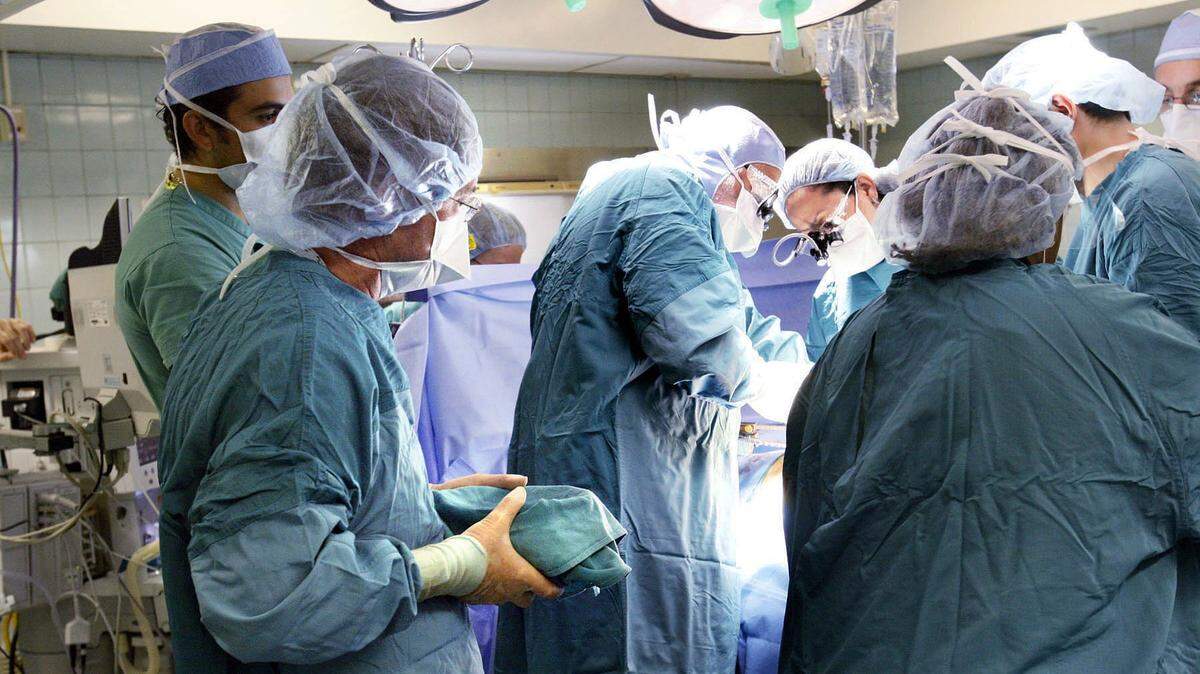
A Miami-based nonprofit that recovers organs for transplantation was ordered shut months ago after a federal investigation found years of unsafe practices and other problems.
Now, federal health officials have tapped a Las Vegas-based group to take over organ recovery across South Florida and the Bahamas.
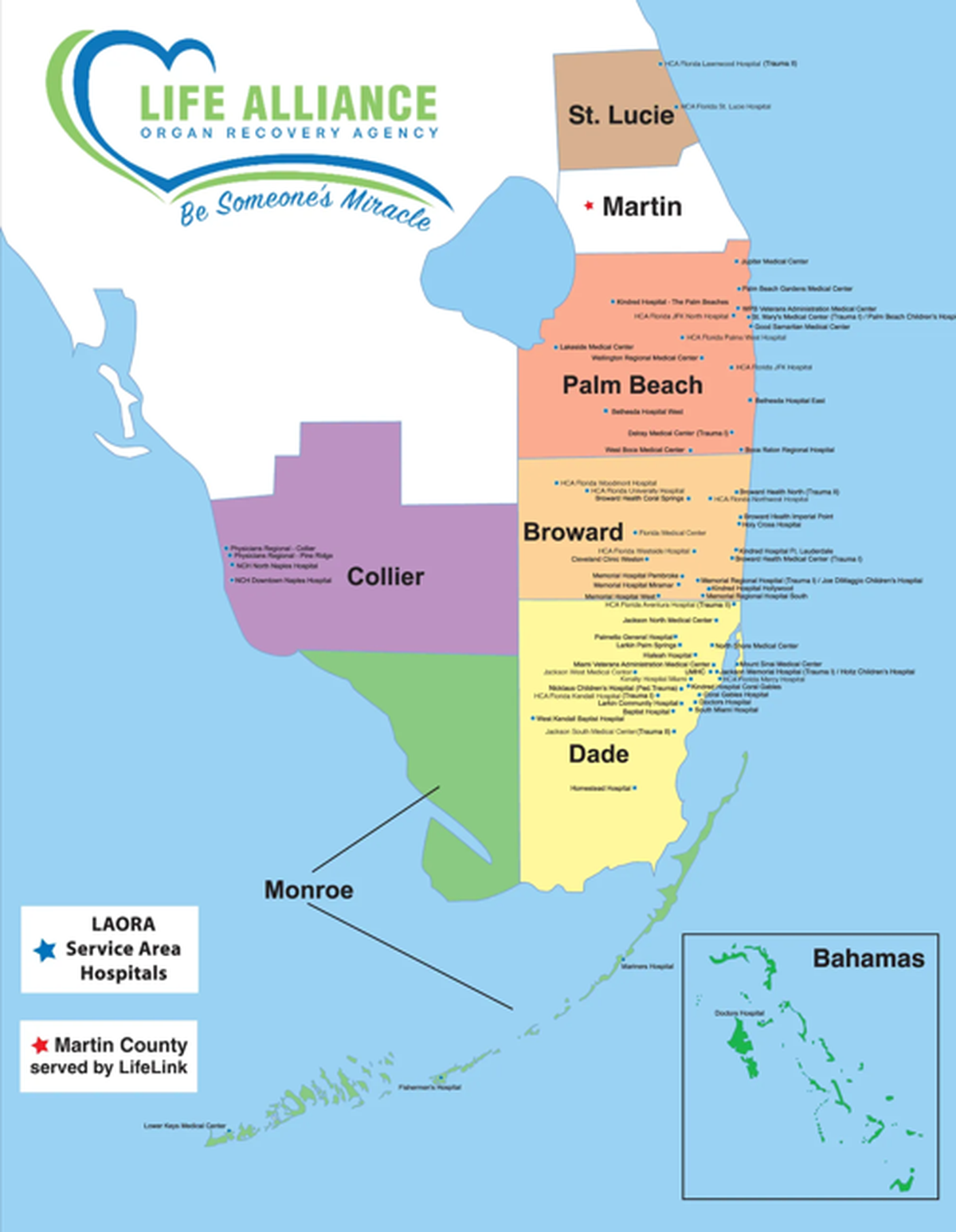
Not-for-profit Nevada Donor Network was selected this week by the U.S. Centers for Medicare and Medicaid Services to service a population of more than 7 million people across six South Florida counties — Miami-Dade, Broward, Palm Beach, Monroe, Collier and St. Lucie — and the commonwealth of the Bahamas.
It will now be tasked with helping to gather organs and tissues for South Florida hospitals that offer heart, lung, kidney and other organ transplants and will become one of four organ procurement organizations (OPOs) in the state.
The decision comes months after federal regulators moved to decertify the Life Alliance Organ Recovery Agency, which was founded in 1978 and is a division of the University of Miami Health System, following an investigation that they say “uncovered years of unsafe practices, poor training, chronic underperformance, understaffing, and paperwork errors.” It was the first time in history that regulators decertified an organ procurement organization “mid-cycle.” Life Alliance did not appeal the decision.
Its replacement, the Nevada Donor Network, was founded in 1987 and is rated as a “Tier 1” OPO, which means it ranks in the top 25% of OPOs nationally for donation and transplantation rates based on the federal agency’s performance metrics. The not-for-profit organ procurement organization, which collects organ, eye and tissue donations, recently reported record results in 2025.
The Nevada Donor Network was selected following a “competitive selection process” and “meets all federal requirements for participation as an OPO and has demonstrated the operational capacity, clinical expertise, and quality infrastructure necessary to serve donor families, hospitals, and patients waiting for lifesaving transplants within the new donation service area,” the federal agency said in a news release.
Joseph Ferreira, president and CEO of the Nevada Donor Network, celebrated the decision, describing it as the culmination of the “transformation-evolving” work the organization has done over the past decade to go from a “historically underperforming” OPO “into one of the country’s strongest performers.”
“Our mission has always been about honoring heroic donors and saving and healing as many lives as possible,” Ferreira said in a statement. “That mission does not stop at state lines. We are ready to serve Southern Florida with the same urgency, respect, and excellence that have defined Nevada Donor Network’s success.”
Federal health officials say that Life Alliance, under Centers for Medicare and Medicaid Services oversight, will continue to provide organ procurement services in the region during the transition period to ensure uninterrupted coverage until the Nevada Donor Network sets up its operations in the region.
In September, when Life Alliance’s decertification was announced, U.S. Health and Human Services described it as being part of Health Secretary Robert F. Kennedy’s plan to reform the nation’s organ transplant system, which is under scrutiny over concerns about patient safety and lack of transparency.
Federal regulators haven’t elaborated much on the findings of its investigations into the Miami-based not-for-profit, though Kennedy has previously said the group’s consistent staffing shortages across the years “may have caused as many as eight missed organ recoveries each week, roughly one life lost each day.”
In a September statement, the Life Alliance Organ Recovery Agency said its top priority “has always been safe, respectful, and compliant organ donation practices.”
“We hope that other OPOs follow suit in putting patients first,” the Miami organization said in a written statement.