$500 billion in clothing is never sold. This firm helps fashion makers cut the waste
READ MORE
Miami Herald Startup Pitch Competition 2020 winners
Judges for the annual Miami Herald Startup Pitch Competition chose winners in two tracks, one for the community at large, and the other for students, faculty and alumni of Florida International University. And the winners are...
Expand All
The fashion industry is the world’s second-largest polluter, after the oil sector. What’s more, the fashion industry loses about $500 billion of value every year due to the clothes that are thrown into landfills — or burned — without ever being sold, according to United Nations research.
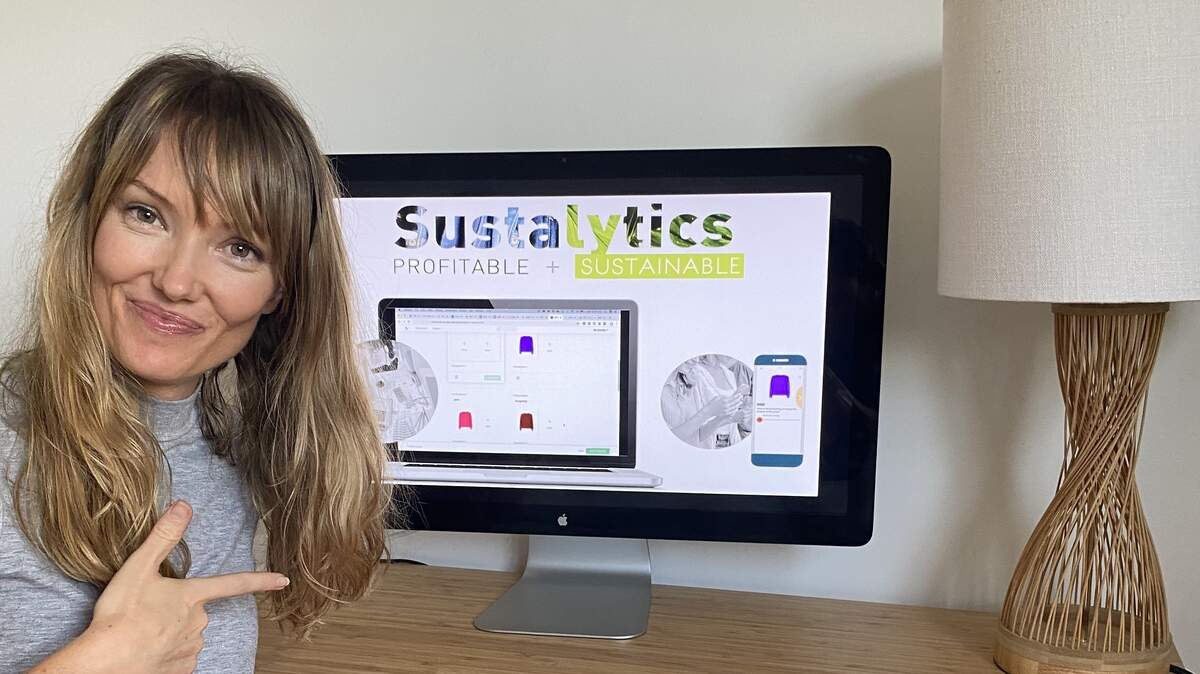
A Miami fashion-tech entrepreneur wants to provide a solution that will help the environment — and one that brands will embrace because it saves them money. For her Miami-based startup, Sustalytics, Julie Evans won the Wildcard category of the 2020 Miami Herald Pitch Competition.
Evans worked in the fashion industry in Europe for more a decade in roles that included buying and design leadership for Zara, one of the world’s biggest brands. She helped decide which designs to make, how much to produce and where to sell them.
“We have experience and gut feelings, but the truth is we sometimes did get it wrong,” Evans said. “We can do better than that, and at the end of the story, it is the consumers that have the final decision. And in no point in this process are we asking consumers.”
Sustalytics aims to solve that by collecting data on consumer opinions and tastes, then serve it up to brands that will save money by not producing something that won’t sell.
“We can’t change everything but we are tackling one specific problem, the waste of the industry,” Evans said.
Here’s how it works: Through a chatbot channel, Sustalytics exposes images of products to consumers and gathers their opinions and analyzes the data to deliver to the brands. For instance, after consumers on the chatbot channel responded to images of a hat, the data showed that consumers prefer the hat with the pompom.
How bad is the waste? Often, said Evans, brands sell only 50% of their stock. After slashing the price and/or sending the items to the outlet, the overstock gets dumped, and in some cases even burned.
Sustalytics has signed up more than 7,000 consumers who participate in the chatbot channel, who can be subdivided into groups most relevant to the given brand. For instance, Evans said, for client Arena, a European swimsuit maker, “we engage people super interested in swimming, but also Gen Z because they were struggling to reach them.”
“The best part of this story is the consumers really engage. Sometimes they are winning discounts but they also like voicing their opinion. By taking a few seconds to do that, they can make a difference.”
So far, brands are far more interested in saving money than saving the world. That’s OK with Evans. Tomorrow they will have to care about sustainability, she says. “But for now they can get sustainable results by asking consumers what they want. They can learn from the data.”
For example, through the chatbot, brands could have learned hot pink was trendy in a lot of places but not in France, where Evans worked before moving her business to Miami last year. That knowledge would have allowed a firm to adjust distribution to place the right stock in the right place — and display the right products in store windows, on its web page and in marketing campaigns.
Using the data, Evans currently is selling a consulting service to larger brands. But her vision is to become a SaaS (software as a service) company so that small brands also have access to its services. To that end, Sustalytics plans to launch its user interface platform this summer, first as a beta version. “Then we will need to make it sexy,” she said. “Scaling will be the next step.”
So far, Evans is the only full-time team member. She has assembled an advisory group of sales partners from the fashion industry, including a former boss, and data experts and engineers from technology.
Revenue grew 60 percent between 2018 and 2019. In the first quarter of 2020, the company sold 90 percent of what it sold the prior year. “The year will now need to be recalculated with COVID-19, but we are on the right path,” said Evans.
The company has been bootstrapped, and that’s by design. “Our main goal is to close more clients.” The startup currently services seven clients, including major brands in Europe and Latin America, but Evans believes the SaaS platform will open up accessibility. Sustalytics is still testing pricing models.
In Miami, Evans participated in the first Google Launchpad held outside Silicon Valley. She has been in-residence at 500 Startups Miami and participated in some of 500’s bootcamps. Miami is a convenient launch pad for Latin America business — she has picked up two clients in Colombia. “It’s been the best place for me to build a startup.”
This story was originally published May 18, 2020 at 6:00 AM with the headline "$500 billion in clothing is never sold. This firm helps fashion makers cut the waste."
.JPG)