Is insurance contributing to the condo crisis? Florida lawmakers say it’s a problem
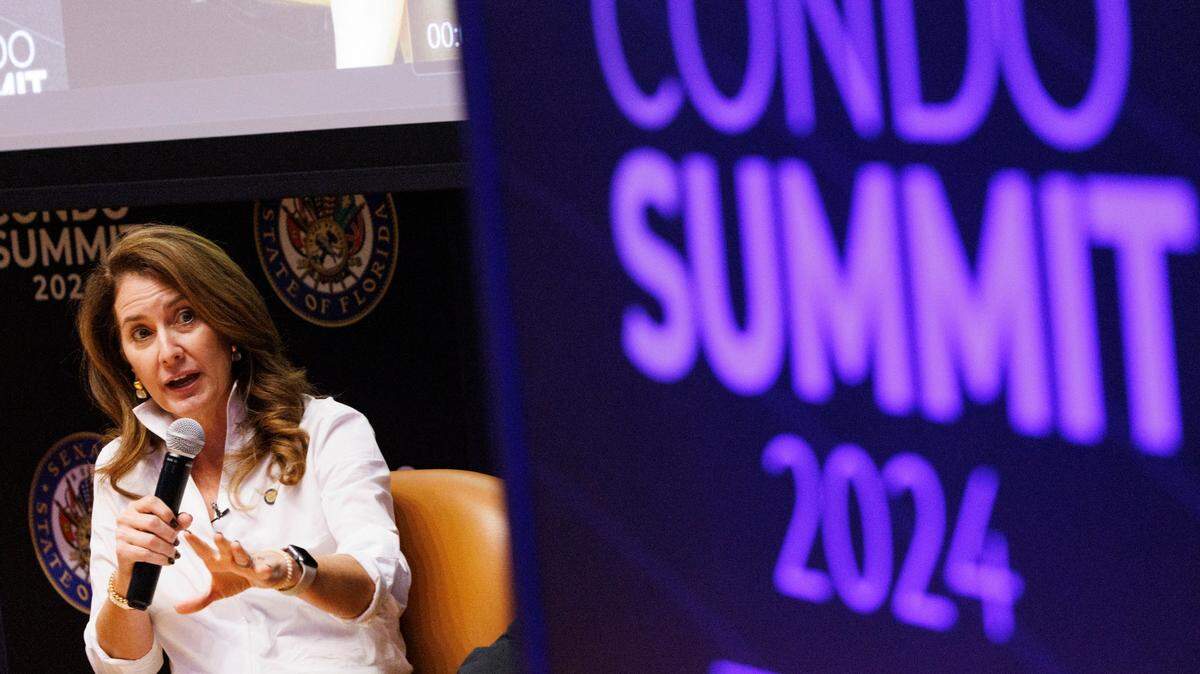
Two Florida lawmakers blame insurance companies — not new state law — for helping to fuel a condo crisis that has hit owners with rising fees and assessments in high-rise buildings.
State Sens. Jason Pizzo and Jennifer Bradley said the insurance industry is contributing to the higher costs for condo owners. The biggest issue? The cost increases for commercial condo association policies, what coverage associations rely on for shared structures, including the roof.
The lawmakers headlined a “condo summit” in Davie in December to address issues in the condo crisis — and insurance, they said, was part of a growing problem.
Pizzo, the Legislature’s Democratic minority leader from Broward, and Bradley, a Republican from Clay County, outlined issues with analysts, lawyers and policy advisors on the panel.
In addition to the rising cost of insurance premiums, issues include a discrepancy over whether a 15-year-old roof may be insured, and rising liability for contractors and architects working on repairs and renovations paid for by assessments.
Condo boards have been hit with higher premiums for their commercial condo association policies — prices increased 6.6% in the second quarter of 2024 compared to the second quarter 2023, according to the Florida Office of Insurance Regulation.
But an insurance company representative disagrees with the lawmakers on the industry’s impact on the condo crisis.
“Insurers are rating older condo structures in South Florida as very high risk, which is being addressed by the upgrade projects. Many insurers that covered master condo policies pulled back on the market after Surfside,” said Mark Friedlander, Florida spokesman for the Insurance Information Institute, referring to the building collapse in 2021.
“However,” he said, “the structure improvement projects mandated by the state Legislature are generating very large, long-term special assessments and is the biggest financial burden facing condo owners.”
Insurance will be part of the next legislative session in March, Pizzo and Bradley said during the summit.
“Any comprehensive discussion about condos must include insurance,” Bradley told the Miami Herald in a statement. “The condo laws we’ve passed regarding building safety and their financial health will ultimately make condos more insurable.”
Change in condo laws
Condo owners have faced a domino effect of rising costs over the past two years.
In 2022, state lawmakers banned associations from waiving reserve contributions — a form of savings for routine maintenance projects — and waiving structural repairs. Now, condo associations with buildings three stories or higher owe the state a reserve study by January 2025, essentially providing a savings plan for repairs needed every 15 to 25 years. Condo owners must begin reserve contributions in 2025 or 2026.
Monthly condo assessment fees jumped by nearly 60% over the past five years in South Florida. Then there are the special assessments for more urgent structural repairs and looming reserve contributions.
For many, the cost of living in a condo — once seen as an entry point to homeownership or the last home for a retiree — has busted budgets. As a result, many condo communities have begged for an extension for the structural integrity reserve studies and reserve contributions. Gov. Ron DeSantis has not called a special session to deal with those issues.
The crisis also has bloomed from poor planning and enforcement from condo associations, said Ernesto Cuesta, president of the Brickell Homeowners Associations, which represents nearly 50 associations.
Until 2022, condo associations had the right to skip paying reserve contributions. Now, they’re being held accountable by new state law and forced to start saving in 2025 or 2026.
“That’s the issue with associations nowadays. They have been neglecting their duties and responsibilities to care for the maintenance of the buildings. To blame only on what is happening to the insurance is being naive,” Cuesta said. “We projected this crisis for more than two years and a half. Buildings had been abandoned for decades. It was about time that elected politicians took a position to make sure the life of people were taken care of.”

This story was originally published December 13, 2024 at 5:17 AM.