What would a Trump or Harris presidency mean for the housing market in South Florida?
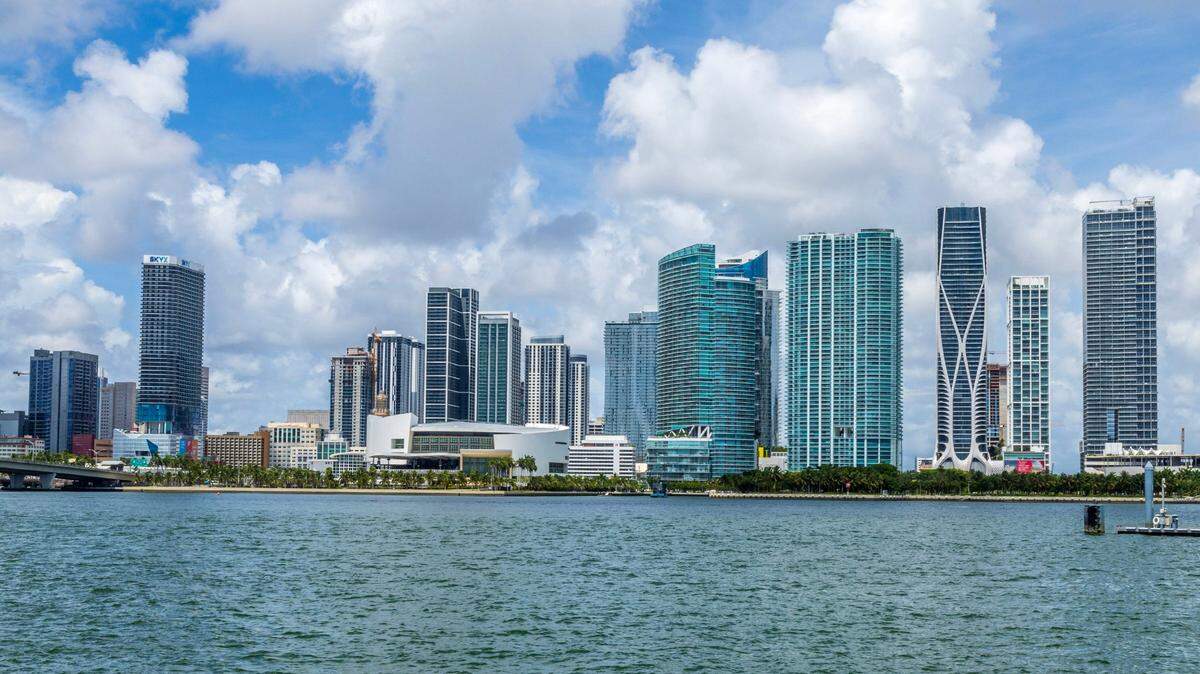
Presidential candidates Kamala Harris and Donald Trump propose different solutions to the national housing crisis, strategies that could also affect South Florida real estate.
Each campaign presents different opportunities for Miami-Dade, Broward and Palm Beach counties, according to real estate experts who spoke to the Miami Herald.
Assessing the candidates’ housing proposals: luxury-focused real estate agent Senada Adžem of Douglas Elliman; Miller Samuel real estate consultancy firm President and CEO Jonathan Miller; and Florida International University’s Perez Metropolitan Center Associate Director Ned Murray, an affordable and workforce housing specialist.
Neither Miller nor Murray have worked with the candidates; Adžem was senior vice president of marketing for The Trump Organization from 2002 to 2006.
The presidential election comes at a time when South Florida faces a housing crunch similar to many places across the country. While the number of residential transactions have fallen, prices remain out of reach for the average household in South Florida.
Miami-Dade has a median sales price of $653,400 for single-family homes and $420,000 for condos; Broward’s median is$615,325 for houses and $366,978 for condos; and Palm Beach’s median is $615,000 for houses and $315,000 for condos, according to the latest monthly housing report by the Miami Association of Realtors.
What’s the solution? That depends on whom you ask. Some industry professionals blame construction costs, land prices and labor. Others point the finger to tight inventory for driving up prices, despite the condo market finally swinging in favor of buyers in Miami-Dade.
The candidates’ proposals have different ripple effects for South Florida. Still, all three real estate experts said, local real estate would remain strong thanks to demand, regardless of who gets elected as the next president of the United States.
“Federal legislation is paramount,” Murray said, referring to the housing crisis. “Both sides have diagnosed the problem pretty much the same, but the policy solutions are different.”
The Harris campaign promotes several solutions, focusing primarily on first-time homebuyers and tax credits as well as funding to promote the development of a range of residences at different prices.
Trump leans heavily into deregulation of government agencies and cutting red tape as well as freeing federal land for development, including parks.
“President Trump will make housing affordable again by defeating historic inflation and reducing the mortgage rate back down to 3%. President Trump will also secure the border, ban mortgages for illegal immigrants who drive up the price of housing, and eliminate federal regulations driving up housing costs,” Taylor Rogers, a spokesperson for the Republican National Committee, said by email.
The Harris campaign did not respond to a request for comment.
“The two candidates target opposite segments of the population,” Miller said. “Trump will cause less harm of the higher end of the market. Harris will in theory create more affordability for the middle and working class.”
What key proposals stood out to local real estate experts from each campaign? Here’s a look:
Kamala Harris
$40 billion housing innovation fund
Harris proposes a $40 billion housing innovation fund shared among cities across the country. Municipal governments could tap into the pool of money to support the development of affordable housing.
“My thinking has always been you need to build incentives to always build,” Murray said. “South Florida would be the primary beneficiary of these housing programs.”
The fund would contribute to Harris’ goal to deliver three million homes during her first term. While the goal is a big one, Murray said that benchmark would drive the country closer to the 3.8 million new homes needed across the country to meet demand.
“Whether it’s through her or someone else,” Murray said, “we need to build.”
Downpayment assistance
Harris promises first-time homebuyers a $25,000 downpayment assistance. On one hand, Miller said, it would “help the Florida economy to provide more housing to more diverse people.”
On the other hand, sellers would likely increase their listing prices, seeing buyers with extra cash on hand. “Sellers don’t live in a vacuum,” Miller said. “They are going to recognize that a buyer may have a little bit more money to make a purchase of a result of downpayment assistance.”
Capital gains tax
Harris wants to increase the long-term capital gains tax to 28% from 20% for those earning $1 million and up per year. That’s bad news, Adžem said, for single-family homes and condos with price tags of at least a million dollars.
“If when they sell their homes they have to pay higher taxes they may stay in their existing homes longer. It will lower the volume and turnover of transactions,” she said. “Our ultra luxury buyers and sellers make a lot of their real estate decisions based on taxes. They might choose an alternative asset to invest in, such as stocks or commercial real estate.”
Donald Trump
Tariffs
Outside of housing, Trump proposed a 60% tariff on goods from China and an approximately 20% tariff on all other imports. It’s outside of his real estate policies, but has big consequences for the national and local industry. Construction costs would spike, Miller said, because a lot of material comes from China. Developers would pay the upfront costs when preparing new projects, but then pass them onto buyers or renters with higher sales prices or asking rents.
“Widespread tariffs around the economy is highly inflationary. That would likely drive mortgage rates up. That would impact the financial markets,” Miller said. “Higher rates would essentially stop inventory from coming into the market. It would be a lock in effect where people who have a 3 or 4% mortgage would be less likely to list their homes and become a buyer.”
Free federal land for housing
Trump proposes making available some federal land for housing development. On one hand, this would boost inventory, meeting a critical supply shortage, and potentially eventually lower prices with inventory ideally catching up to demand. On the other hand, Murray said, “once you open the door for that you can never go back.”
“You would want to protect federal land, especially in Florida. That’s the last thing you want to do,” Murray said. “These are unique in so many different ways. There’s intrinsic values in state and local parks.”
Fannie Mae and Freddie Mac
The Trump campaign proposes to privatize the federal agencies Fannie Mae and Freddie Mac, which provide mortgage financing. In theory, privatization would create more competition, cut red tape and delays in the mortgage application process. However, it would create more risk. An increase in risk would likely cause Fannie and Freddie to increase their rates, making homebuying and mortgages more expensive.
“If there is a privatization of Fannie and Freddie it won’t impact luxury buyers. It’ll impact more middle-class buyers,” Adžem said. “Being a Republican state which is pro business they will back up these more pro business policies, but at the end of the day buyers who need financing will be in a slightly more difficult position.”
More $1 million-plus home sales?
Trump offers tax benefits to both corporations and wealthy households, which may in turn drive up activity in an active luxury housing market like South Florida. Trump proposes reducing the corporate tax rate to 15% from 21%. He also wants to extend the 2017 Tax Cuts and Jobs Act beyond its expiration date in late 2025, which would bring a 3.2% increase in earnings after taxes to households making $450,000 per year.
“He wants to reduce taxes with the higher-end wage earners, which is helpful for the higher end luxury market in South Florida,” Miller said. “Lower taxes infers more disposable income for home purchases. That’s the theory.”
This story was originally published November 4, 2024 at 1:00 PM.