WeWork has filed for bankruptcy. What does that mean for shared office space in Miami?
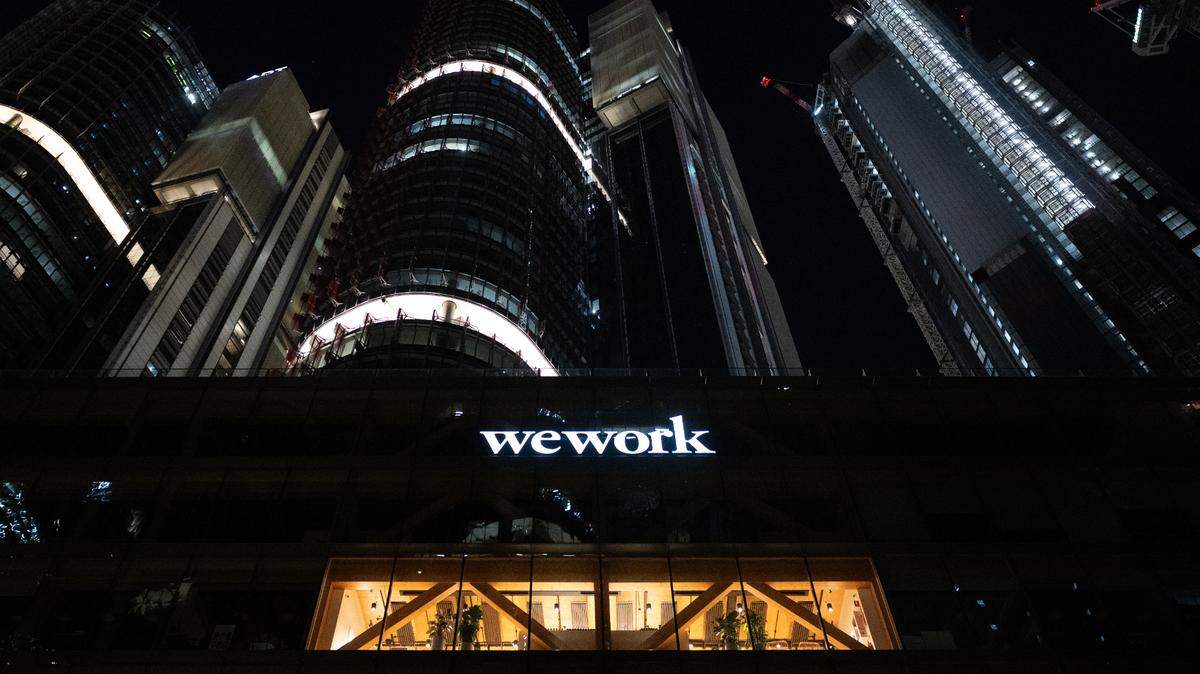
The biggest pioneer in co-working spaces has filed for bankruptcy, but South Florida executives leasing out work-share spaces to individuals and companies say WeWork’s fall has led to some immediate gains.
Work-share companies saw a rise in demand after WeWork’s filing, a sign that flexible workspace is still on solid ground.
The international company Regus first established the concept of flexible workspace in 1989, in which a company focused on renting out suites and desks to workers. The burden of managing an office space fell on companies like Regus. Decades later, WeWork stepped into the industry and made flexible office space, or co-working spaces, even more desirable, with amenities and interior designs meant to draw and keep workers in the office.
New York-based WeWork applied for Chapter 11 bankruptcy protection two weeks ago, a fall for a company that popularized shared office space across the globe. As a result of the filing, several locations across the country will close.
A WeWork spokesperson told the Miami Herald that the company’s South Florida locations — all in Miami-Dade County — will remain open, although other locations will close in large cities across California and New York.
Impact on similar companies in South Florida
Days after the bankruptcy filing, the owners of four South Florida co-working companies — Office Evolution, Pipeline, Quest Workspaces and Venture X — said they saw a boost in calls, inquiries and membership. Spooked by WeWork’s news and fearing shutdowns, several WeWork customers, the owners said, aren’t looking to give up on flexible work spaces, but rather switch to a locally owned firm.
Demand remains strong for co-working spaces across Miami-Dade, Broward, and Palm Beach counties with corporate expansions into the region as well as companies’ and employees’ desires for six-month and yearlong leases and work schedules, said Philippe Houdard, CEO and co-founder of Pipeline. His company oversees four co-working locations in South Florida.
“This is a strong market. The economy is moving for the type of companies attracted to co-working spaces,” Houdard said. “There was a lot of turbulence and a real shakeout during COVID. Companies that survived run their businesses tight. Companies will be more discerning in being more diligent in choosing what types of flexible office spaces they’ll go to — just be a little more cautious — and they should be.”
Florida is the fastest growing state for population growth. Although Miami-Dade saw a decrease in residents, neighboring Broward and Palm Beach saw a population rise. South Florida also has attracted as residents well-known business people, including hedge fund CEO Ken Griffin and Amazon founder Jeff Bezos.
And executives of small and large firms want to dip their toes into the region without too risky of an investment, Houdard said.
“We have companies who used to come to Pipeline and make two-year commitments. Now it’s not uncommon for them to want a year or six months. That’s reflective of what companies want, which is flexibility,” Houdard said. “There’s a lack of visibility into the future. ‘Am I going to have six employees six months from now or three employees?’ ‘Is inflation going to dampen the prospects of my business?’ ‘Are we heading into a recession or are we going to have a soft landing?’ All of this is up in the air and because of that people don’t want to make hard commitments.”
How WeWork started
Launched in 2010, WeWork opened its first location in South Florida in South Beach in 2015 at Lincoln Road and Washington Avenue. The company started to see trouble in 2019, and started closing several locations. Last year, it was the sole tenant in a downtown Miami’s Security Building, 117 NE First Ave., whose landlord faced a $46 million foreclosure lawsuit for failure of payment on its mortgage.
Today, the company has — and plans to maintain — one location in Brickell, two in Coral Gables, one in Miami Beach and another in Wynwood.
Customers can either float around to different work stations, maintain their own dedicated desk or have a move-in ready office for a team as big as 20 people. Each location offers phones for private calls, conference rooms, lounges, invites to networking events and lunch-and-learn activities. Customers can pop in and use a particular location for a day for a fee, or pay per month or several months.
How Chapter 11 will affect WeWork
The Chapter 11 bankruptcy protection filing allows WeWork to select which locations across the country to close. Chapter 11 essentially helps an organization restructure, said Jason Goldman, lawyer and co-founder of the firm Davis Goldman. While bankruptcy filings under Chapter 7 or Chapter 13 may represent a death sentence, Goldman said, Chapter 11 for WeWork simply means “they’ll get rid of some of their debt and liabilities, including some leases that are not profitable leases.”
WeWork is expected to bounce back in the long run, Goldman said, the company’s name recognition and investors like SoftBank. Still, WeWork filing for bankruptcy has already brought on concerns and challenges for local players.
Jason Anderson, president of Vast Coworking, the parent company of Venture X and Office Evolution, said he’s already had a landlord call to talk about his business model and viability. Venture X and Office Evolution have a combined seven locations across the tri-county area and an eighth opening in Palm Beach County by January.
Should his team or other competitors want to expand into new locations, Anderson said he suspects investors may be wary of lending money given the fall of an industry giant.
Some owners like Laura Kozelouzek of Quest Workspaces said she has yet to see any negative domino effects on her business from WeWork’s filing. She said she believes demand will only continue to grow given corporate expansions and well-known executives relocating to South Florida.
This story was originally published November 18, 2023 at 5:30 AM.