
Miami-Dade home prices again hit new high, despite sales plunge, lofty interest rates
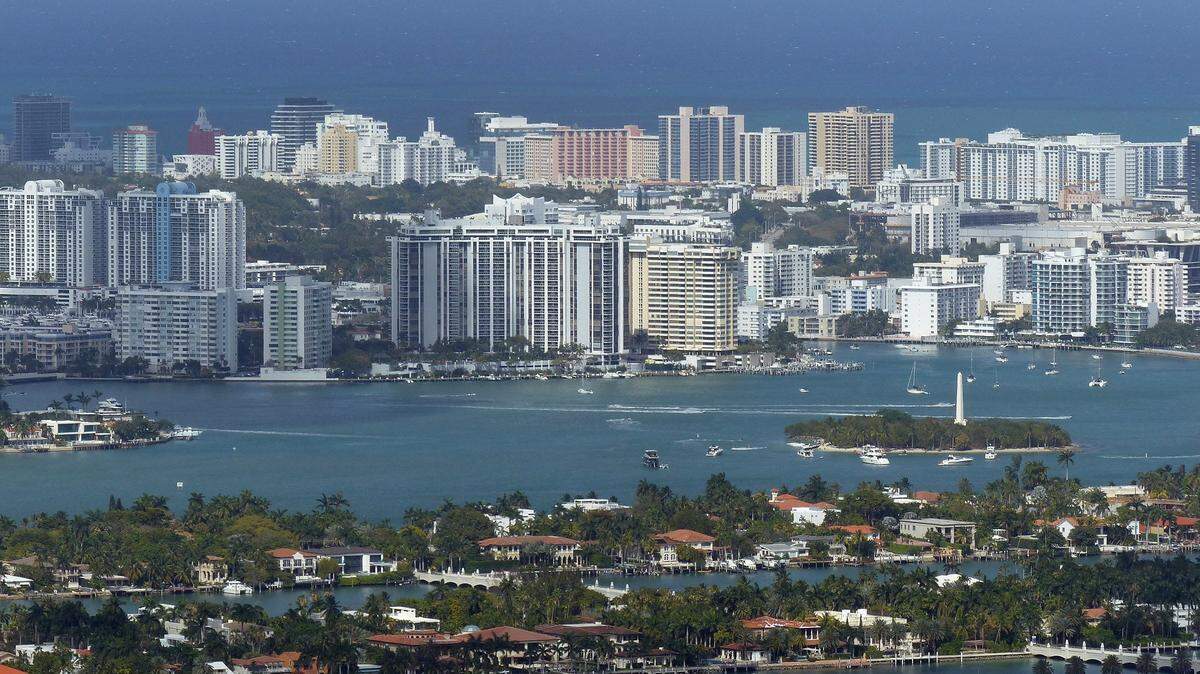
Despite another month of double-digit sales declines, home prices in Miami-Dade County reached a new high mark for the fourth consecutive month in July.
Miami-Dade hit a median sales price of $631,670 for single-family homes, a bump from the June peak of $622,500 and sharply higher than $570,000 a year ago, according to the Miami Association of Realtors monthly home sales report released Tuesday. The streak of record prices started in April, when the county posted a $600,000 median price tag on single-family homes.
Condominium prices also increased in July to a new high of $420,000, up $2,000 from the previous peak of $418,000 in June and $380,000 in July 2022.
In Broward County, single-family home prices held at $600,000 last month, while the median price of condos jumped to $280,000, from $265,000 a year ago.
Meanwhile, home sales in both counties continued the double-digit monthly skid that that started in January. In July, there were 2,051 home closings in Miami-Dade, down nearly 14% from 2,375 deals a year ago. Broward experienced a similar trend with a 13% decline in sales last month, with 2,238 closings compared to 2,575 closings a year ago.
Although 20-year high interest rates on mortgages have hampered South Florida home sales, strong demand from wealthy buyers for a limited supply of houses and condos kept pushing prices higher, real estate experts said. They expert this imbalanced trend to continue at least through the second half of 2023. That means most middle-class buyers will continue to be priced out of the regional housing market that’s been plagued by a severe affordability crisis that got much worse during the pandemic.
“Typically, transaction volume and prices move together,” said Eli Beracha, real estate professor and director of Florida International University’s Tibor and Sheila Hollo School of Real Estate.
“Today the situation is different. We have a lot less supply in the market. We see less transactions, because you have higher interest rates, and because you have higher interest rates buyers either don’t want to buy or can’t buy. On the other hand, you also have less supply, because sellers don’t want to sell and pay off the current mortgage and buy a new house at 7%.”
The ultra high level of cash home purchases in July in Miami-Dade and Broward — nearly 40% of total sales compared to the national average of 26% — again showed that wealthy outsiders keep relocating to South Florida.
Housing inventory last month remained tight in Miami-Dade, with 3.2 months of houses and 5.1 months of condos available. In Broward, there were 2.8 months of houses and 3.5 months of condos. Sellers have strong leverage when supply falls below six months, while buyers have the upper hand when inventory exceed nine months, housing analysts said.
Florida needs 500,000 new homes built to meet buyer demand, while the entire country needs four million more homes, according to Beracha’s research and U.S. Census Bureau data.
Real estate agent Joseph Mooradian, who had lived in Orlando for 14 years, returned to South Florida in 2021 before the latest runup in prices. He and his husband landed a two-bedroom, two-bathroom condo in Fort Lauderdale for $212,000. After investing $45,000 in renovations, their condo now has a value of $260,000.
“Prices during the pandemic shot up 25% each year. That changed what any buyer could afford,” Mooradian said. “When this condo popped up, I jumped on it.”
As a former ballet dancer, Mooradian has performed on Broadway and toured America. Based on his travels, he thinks no other regions of the country can match what South Florida has to offer. That appeal is part of what keeps him and his husband looking for a house to buy for between $700,000 and $800,000 in Miami Shores, Fort Lauderdale or Oakland Park.
“I’m keeping my eyes open,” Mooradian said. “I love Miami and am down there all the time for work.”
Certainly, interest rates aren’t in his or any would-be buyer taking out a mortgage. A 30-year fixed-rate mortgage just hit an average rate of 7.09%, a dramatic increase from 5.13% a year ago.
Although the tight home supply coupled with lofty interest rates are expected to remain challenges in South Florida, real estate expert Jason Damm expects median prices to remain high for the foreseeable future.
“Prices being so high is alarming,” said Damm, assistant professor of professional practice in finance at the University of Miami. “[But] home prices will stay the same. We have four months left in this year. I will be surprised if home prices come down in the next four months.”
Some relief for would-be buyers could come late this year or early 2024 when Damm and Beracha predict interest rates will fall. However, Beracha said, it might be better to jump in now with less middle-class competition to buy a house or condo in South Florida.
“[For] buyers, if they find a place that they can afford and fits their needs, they should buy now rather than later,” Beracha said. “If they wait for interest rates to come down, they will compete with other like-minded individuals. Buy now and refinance a year later when interest rates decrease.”
This story was originally published August 23, 2023 at 5:30 AM.
%20Cropped.jpg)