Harrison: Hines in talks with wellness consultants for South Florida projects
Measures to contain the spread of coronavirus are still shifting by the day — and so are responses by investors, developers, builders, banks and buyers. To track the impact in real-time, RE|source Miami is asking area real estate professionals in various sectors for on-the-ground reports.
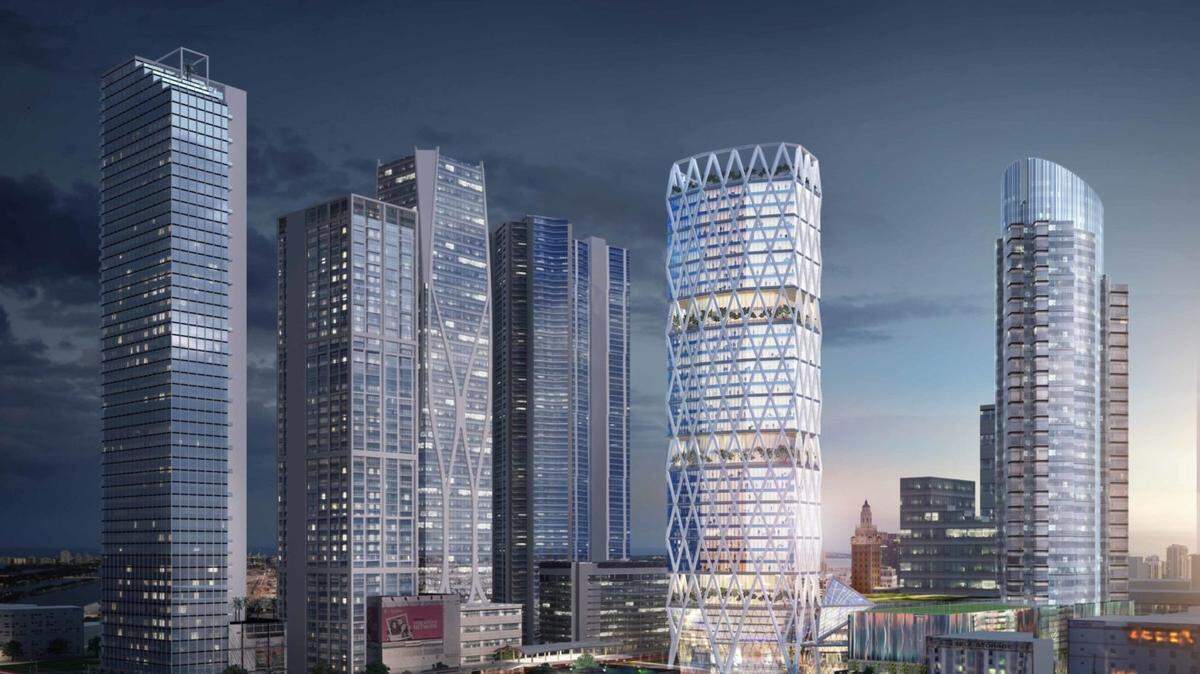
Today we hear from Michael Harrison, senior managing director for the Houston-based development firm Hines. Harrison oversees the acquisition and development of projects in Florida and the Caribbean, including a mixed-use tower at Miami Worldcenter and . He joined the firm in 1990.
Q: How has COVID-19 influenced residential development in South Florida?
For projects under construction there has not been significant impact. For those projects that are about to start construction, we have seen lenders push the pause button on new lending. Lenders are focusing on existing loans and any potential issues, such as tenants that are unable to pay rent and developers who are unable to make loan payments.
We have worked closely with our contractors and subcontractors to implement best practices with respect to health and safety, as well as social distancing on our job sites, always putting worker safety at the forefront. With some of these precautionary steps, there are some time impacts. We are working with the contractors, our clients and tenants to minimize any overall impact to schedules. Thus far, our supply chain impacts have been minimal.
Q: How has the virus influenced your firm’s projects?
Nearly all our development projects around the firm continue to move forward, with the exception of one or two markets where construction was deemed ‘non-essential’ and crews are still under a ‘Stay Home’ order. Some schedules might also be running slightly behind as our general contractors and their crews practice social distancing and other health recommendations.
For new projects we are focusing on working with lenders with whom we have existing relationships. Lenders are telling us that they are open for business but are working exclusively with existing, trusted clients and borrowers.
.jpg)
Q: Where do your projects in South Florida stand? What is the next step, and when is that likely to happen?
All of our projects are currently in pre-development and are at stages where we can continue to advance design and entitlements, albeit more slowly because most municipalities are working remotely and that has caused meetings and public hearings to be delayed. We also have the time to think about how COVID-19 may influence and change how we design projects moving forward.
We are focused on mixed-use, multifamily, office and industrial throughout South Florida currently. With respect to design impacts, we are in the early stages of working with best-in-class designers and wellness consultants, such as Delos and Cushman & Wakefield through a new alliance with the Well Living Lab.
Q: How has the project influenced access to financing?
For new loans and transactions, lenders are focusing on executing transactions with existing clients, rather than taking on new clients. Hines is fortunate that we have many strong lender relationships and lenders have engaged with us on those projects that are nearing construction start.
We are actively discussing both loan extensions for existing loans, as well as new lending for projects that will proceed into construction despite COVID-19. Many of Hines projects are being developed as long-term hold projects with a 10-year plus hold period. As such, while COVID-19 is a meaningful current and near term impact, there are certain projects that will still move forward.
Q: What are the opportunities? What are the challenges?
For investment managers and developers such as Hines with strong balance sheets, there will be opportunities created by the distress that has entered all segments of the real estate markets. The challenges are understanding how long it may take to work through COVID-19 issues and when the market may start to recover.
We are already seeing distressed real estate situations with landowners in certain markets that have become overpriced. We have also seen investors that require near-term liquidity for their balance sheets that will be forced to sell real estate land and buildings at a meaningful discount.
This story was originally published May 12, 2020 at 7:00 AM.