A win-win: safety gear for Miami co-working members, pivot for local companies
Some office spaces in South Florida sit empty; new leases and sales have dwindled. While some question the viability of open office plans and co-working post-pandemic, one co-working company is preparing for reopening.
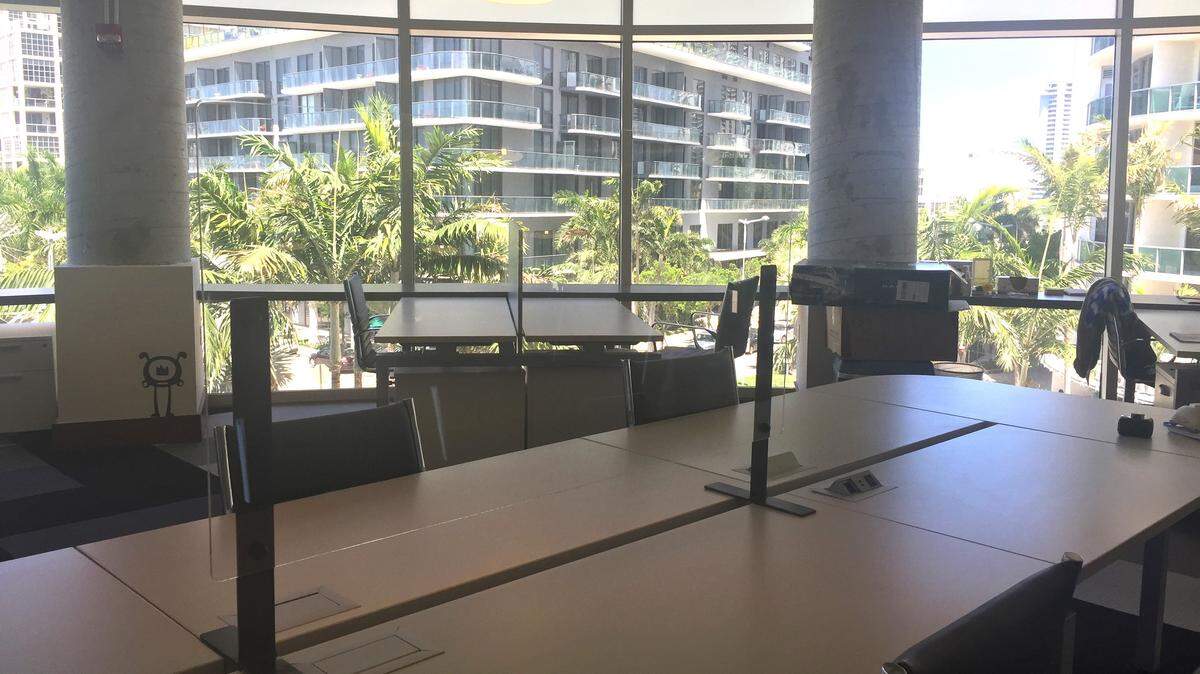
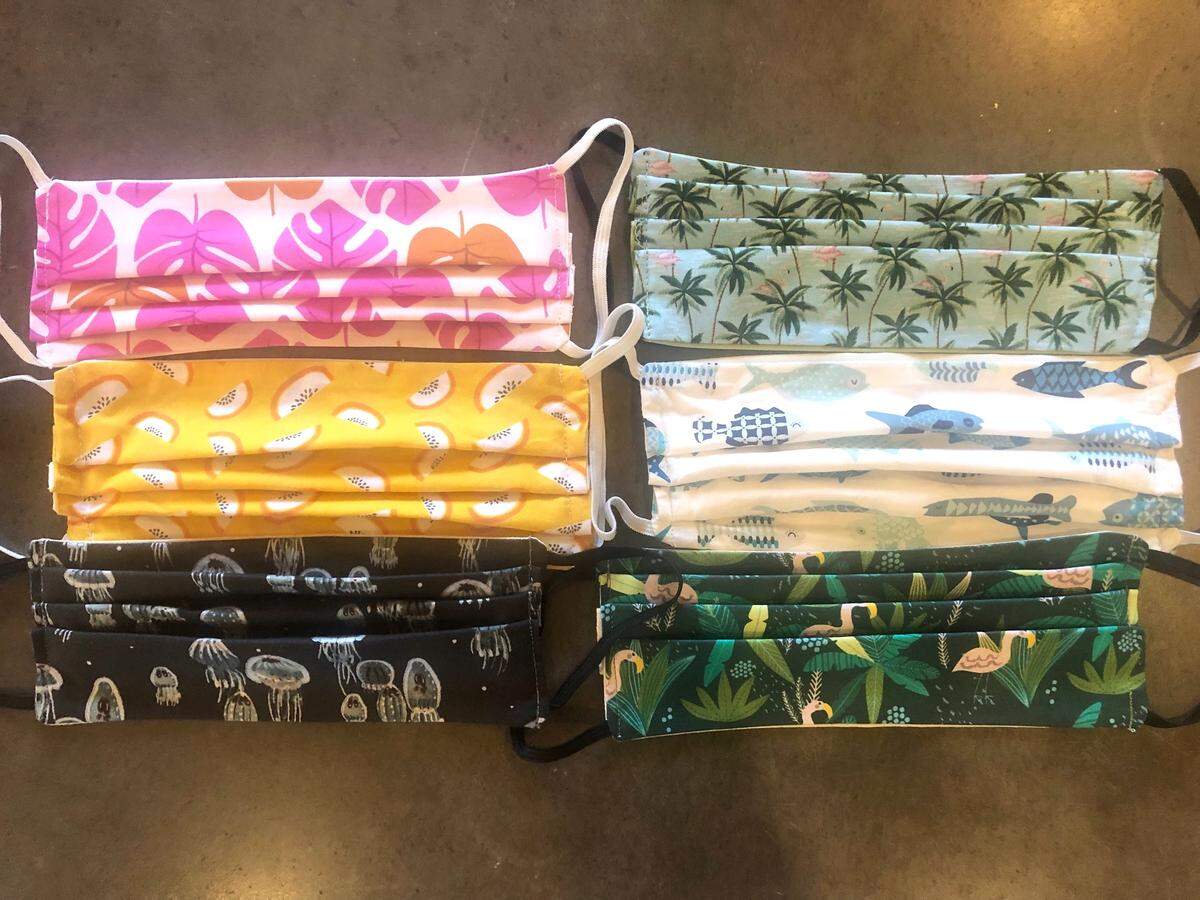
The Miami-based co-working company Büro — with six locations in Coconut Grove, Midtown, MiMo, South Beach, South Miami and Hollywood — has invested $20,000 in back-to-work kits for its members. It ordered a total of 1,000 masks, 1,000 eight-ounce hand sanitizer bottles and 35 plexiglass protective barriers to ensure safety.
Pre-COVID, the company had about 400 organizations, or about 1,000 people, that worked from its shared work spaces. Michael Feinstein, founder and chief executive officer, said memberships have dropped since March, though he wouldn’t say by how much.
“We understand there is going to be a new normal. We are thinking what members would need to feel safe. It’s a challenge to source those products since other companies are doing the same,” Feinstein said.
.jpg)
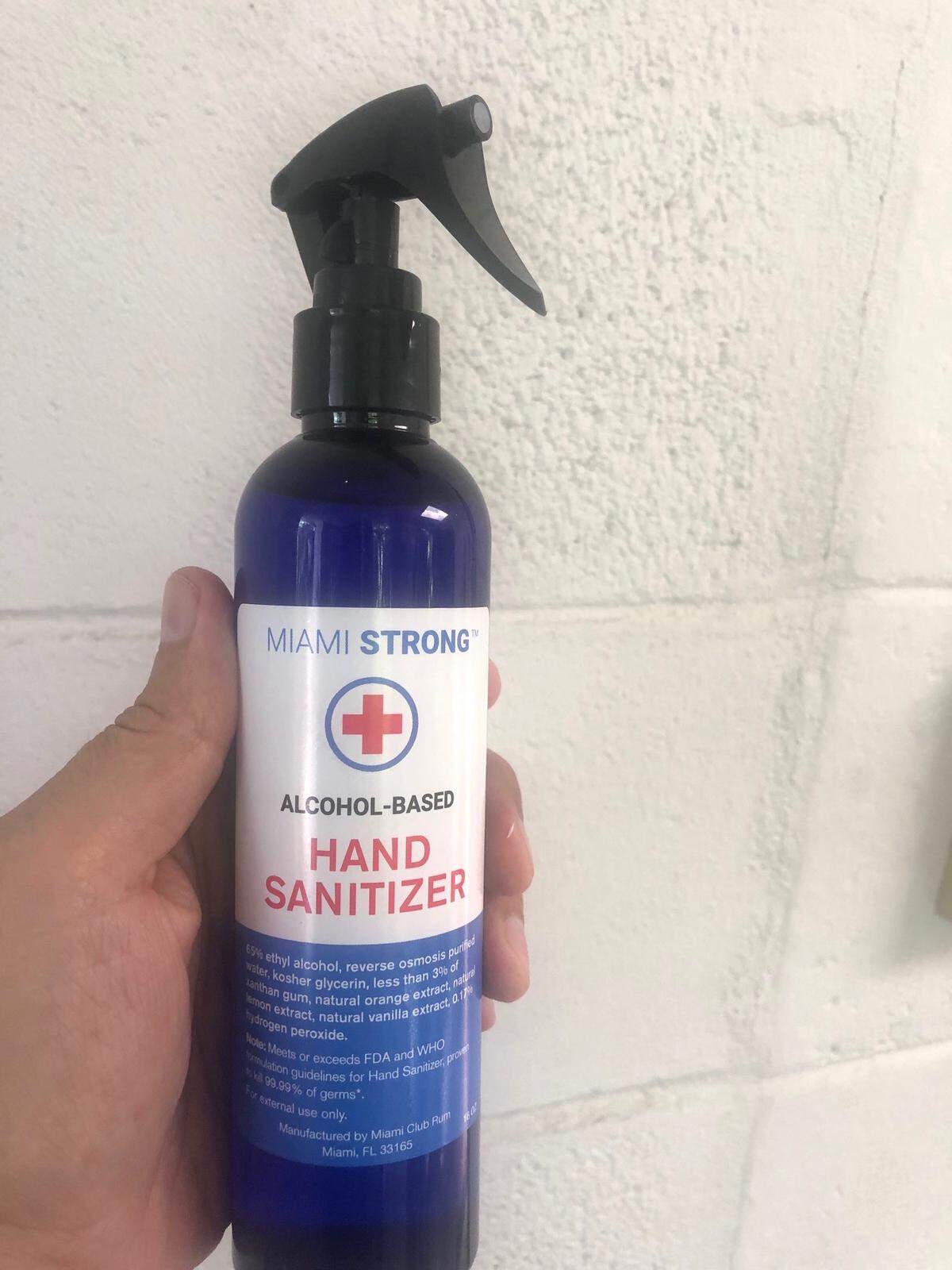
Büro hired three local businesses — none of them Büro members — to produce tailored safety products. The hand sanitizers came from Miami Club Rum, a local rum distillery that made sanitizers for first responders and hospitals. The masks came from Alexanto Aprons, a local apron seller. Marquee-sign maker Germ Shield Store is producing its plexiglass protective barriers.
The partnerships were a win-win, Feinstein said. In a competitive scenario when getting safety products is a challenge, the partnerships allowed Feinstein to support local businesses and get the products needed.
As for the long-term prospects, Feinstein is upbeat. “We’re optimistic about our industry. All of that flexibility with pricing and space will be desired in the long term.”
The company has remained open as an essential business that provides mail to all of its members. Members are still paying their fees, he said. The memberships range from $249 per month for floating space to $3,599 per month for a large private office.
The quick change in conditions will lead more established firms to consider flexible space, he believes. “Companies will be hesitant to lock into long-term commitments and leases. Most contracts require three-to-five year leases. This is a wake-up call for businesses that things can change at any moment.”
Feinstein said he’s hopeful that members will return after the stay-at-home order lifts. “A lot of people experimented with working from home and learned that it’s not realistic for them.”
But the short term admittedly will be a challenge, Feinstein said. “This is a difficult time for our industry. We’re hit with a double whammy — a health crisis that rolled into an economic crisis.”
This story was originally published May 7, 2020 at 7:00 AM.