Miami-Dade malls are not reopening yet. When they do, it will be a different world.
With varying restrictions in place, shopping malls have begun reopening in many places across America amid a still-raging coronavirus pandemic — though not yet in South Florida.
When they might reopen remains unclear. But when South Florida’s ever-popular malls — including some of the country’s largest — do throw open their doors, shoppers who venture in will be greeted by a workforce sporting the latest in today’s mandatory retail accessory: a mask. So will the sales staff who check them out, most from behind plexiglass partitions that have become part of the new everyday landscape at “essential” retailers such as grocers and drug stores.
Retail giant Macy’s, for instance, has announced it is requiring all staff wear masks. At the 68 stores it has opened around the country, Macy’s is also imposing wellness checks at start of shifts, enforcing social distancing for shoppers and workers, installing plastic shields at checkout, improving ventilation and conducting more intense and frequent cleaning and sanitizing of stores. Masks for shoppers are optional.
Makeup-testing samplers and perfume spraying are for now a thing of the past, at least at Macy’s. Make-up demonstrations will happen on paper — not on a customer’s face, Macy’s says.
Outside of South Florida, shoppers seeking relief from home quarantines trickled into reopened Florida malls, though there seemed to be no large surge. Some were deflated to find many anchor stores and national retailers remained dark. And not all malls reopened. Some operators said they were taking it slowly as they figured out how to comply with new rules limiting capacity to 25 percent of normal.
“We were desperate to go shopping again and we’re quite disappointed, actually, because there’s hardly any stores open,” Andrea Nommik told the Tampa Bay Times on Monday as she and friend Nicki Mardsen, toting their own masks, hand sanitizers and wipes, visited the Tyrone Square Mall in St. Petersburg.
Gov. Ron DeSantis lifted a shutdown order for most retail businesses starting on Monday, with the exception of hair and nail salons throughout the state including the Florida Keys. But DeSantis exempted Miami-Dade, Broward and Palm Beach counties, the epicenter of the epidemic in the state, allowing them to set their own timetables.
South Florida mall operators are now busy making preparations for the day when they do receive clearance to reopen — with many assuming they’ll get a green light sometime later this month.
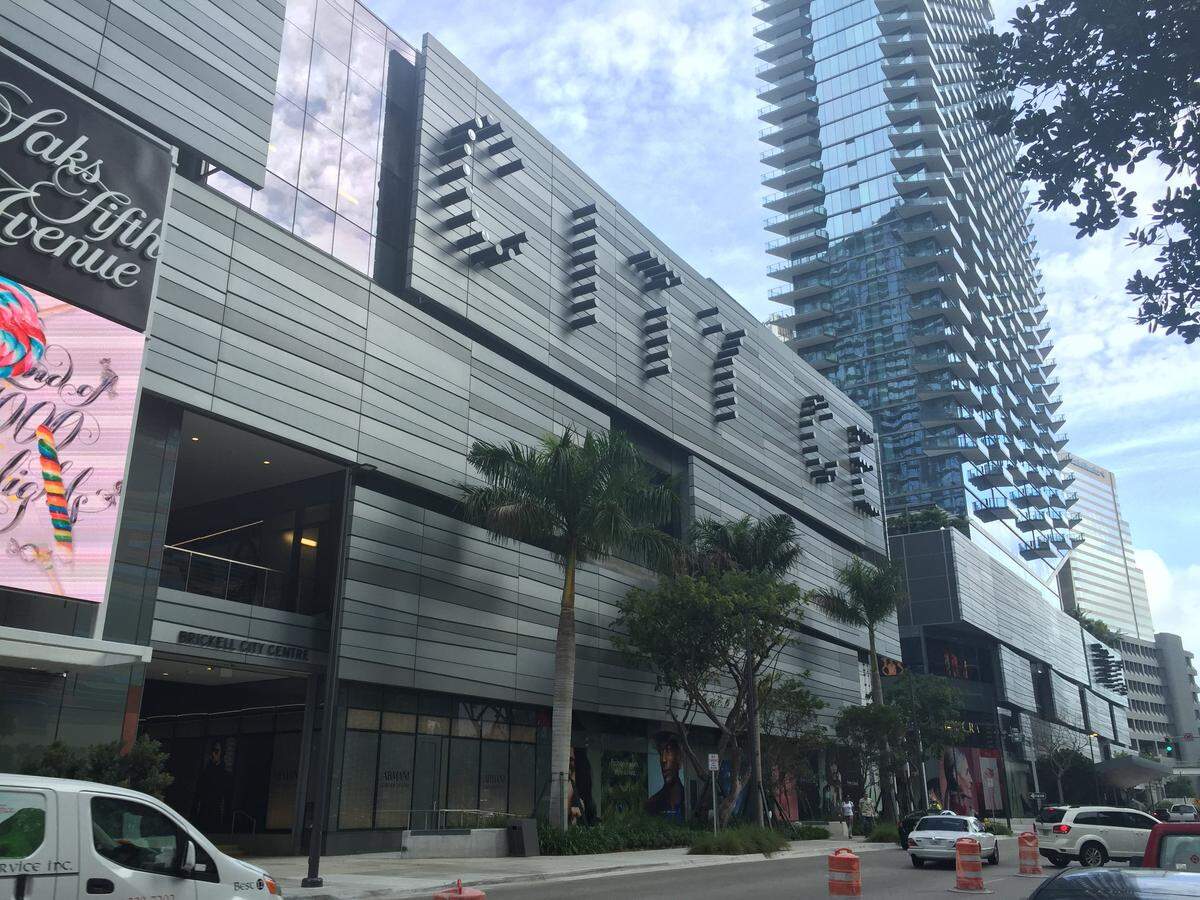
“While a lot remains uncertain, retail will certainly look different in the near term as we continue to adjust to new protocols and safeguards to ensure the health of our guests and employees,” said David Martin, vice president of retail at Brickell City Centre, in an email.
In half a dozen other states where governors also eased shutdown orders, shoppers began returning to mall shops that resumed in-store sales during the past several days.
That’s despite criticism from some public health experts, who say the reopenings in Florida and elsewhere are coming too early. They note that it’s not yet clear what course the pandemic is taking across the United States. On Monday, new estimates from two models, including the University of Washington model used by the White House, sharply raised projections of its spread, citing the lifting of social distancing measures in many states.
And according to a Washington Post-University of Maryland poll released Tuesday, 67% of those surveyed say they would be uncomfortable shopping at a retail clothing store, with 78% saying they would be uncomfortable eating at a sit-down restaurant. People in states with looser restrictions report similar levels of discomfort as those in states with stricter rules, the Post reported.
Simon Property Group, the nation’s largest mall operator, has reopened three dozen shopping centers and planned to open the doors to 49 more across 10 states on Monday, though none in South Florida. The reopening so far has proven uneven; while some malls saw crowds of shoppers, some reopened stores saw only light foot traffic, according to news reports.
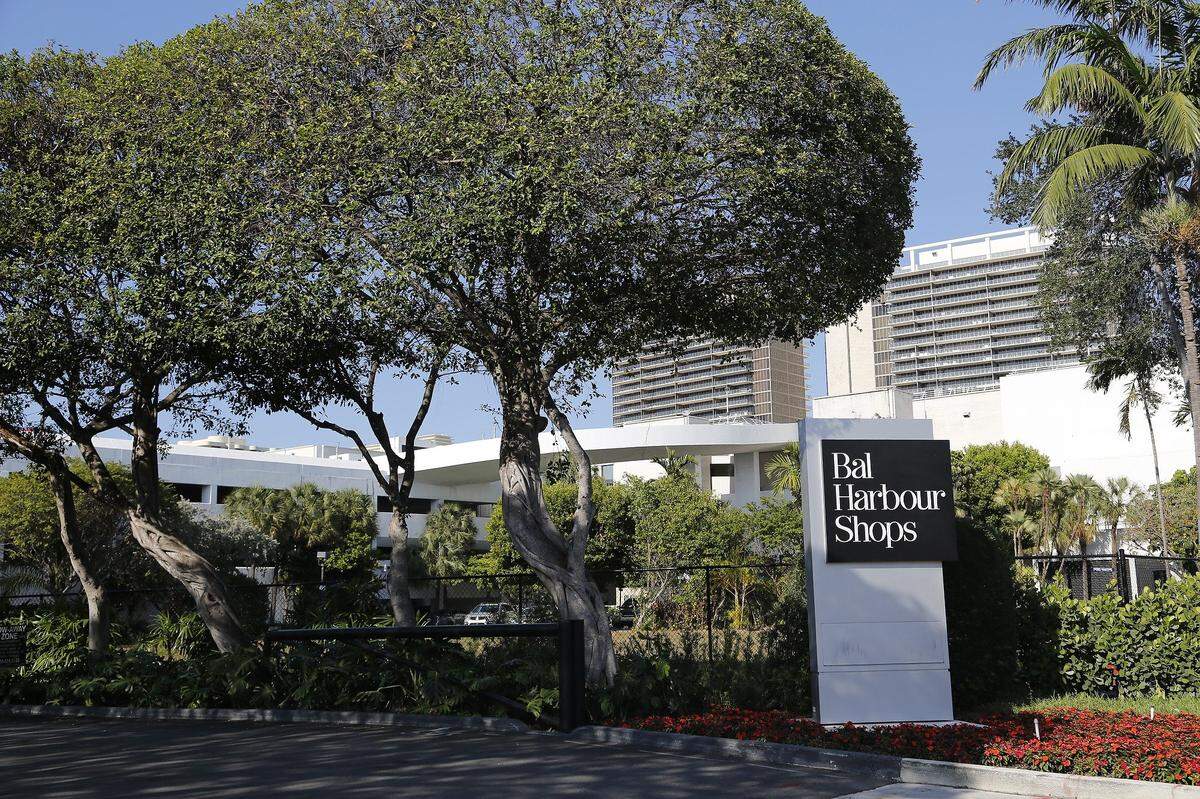
The COVID-19 crisis has accelerated the retail implosion that has been building for years. Monday, J. Crew announced it has filed for Chapter 11 bankruptcy, and analysts widely predict that Neiman-Marcus — which has signature stores in Merrick Park and Bal Harbour Shops along with several discount “Last Call” outlets — will follow suit.
But prior to COVID-19, retail had remained stronger in South Florida than in most other parts of the country, partly due to foreign shoppers. With uncertainty around travel, local retail may well suffer.
Locally, mall managers — including those at Bal Harbour Shops, Brickell City Centre and Dolphin Mall — anticipate a gradual reopening that could ramp up to an all-operations go by June, though the buying experience will be far from business as usual for both shoppers and retail workers.
Miami-Dade Mayor Carlos Gimenez has not yet signaled when he might lift closure orders, though he has said he hoped this week to finalize rules for reopening restaurants, offices, stores and other businesses in the county. Individual cities like Miami and Miami Beach can institute stricter rules than the county if they so choose.
Citing potential public hesitation, Miami-Dade mall managers say they don’t expect throngs of shoppers right away when they do reopen for business.
“The pace at which our operations will return to normal will depend entirely on the willingness of the public to engage in activities outside of the home. We anticipate this readiness may return slowly but will steadily ramp up over many weeks unless there are extenuating circumstances,” said Maria Mainville, spokeswoman for Dolphin Mall, in an email.
The tenants at Brickell City Centre, about 100 of them, will have the final say of when they choose to open their doors, Martin said. Brands include Saks Fifth Avenue, Apple and Casa Tua Cucina food hall.
As for how the shops reopen, that will involve a collaborative effort, said Martin.
“We are requesting retailers send us their reopening plans, and are working alongside them to ensure we are safeguarding all of our guests from the time of entry until they exit BCC — and every store they visit in between,” he said.
Stores and malls that have opened elsewhere provide a preview of what South Florida shoppers can expect in the way of restrictions and protocols designed to slow — but not entirely block — transmission of the virus. Some of the measures have already been deployed in supermarkets like Publix and in Target stores, which have remained open as essential businesses providing groceries and pharmacy services.
Those include masks and “wellness checks” for employees, entrance controls to cap crowds, required social distancing for all, intensified cleaning protocols and lots of sanitizer dispensers everywhere.
Some retailers — such as Tapestry, owner of Kate Spade, Coach and Stuart Weitzman, which opened 40 stores — have opened only for curbside pickup.
Best Buy, which has remained open in Miami-Dade because Gimenez’s order exempted certain electronics from the ban, is planning to phase in 200 stores nationally this month — though initially shoppers wanting to enter stores must make appointments.
In some reopened malls, retailers are imposing strict capacity limits. At one location in San Antonio, Texas, Vitamin World reopened with a two-shopper limit, while Rack Room Shoes is allowing in 24 at a time, the Washington Post reported.
Simon has set rules requiring that employees take their temperature both before coming to work and get it checked on the job. A temperature exceeding 100.4° Fahrenheit means they will be sent home. Local Simon malls include Dadeland, Sawgrass Mills and The Falls; it also has an ownership position in Aventura Mall. No local malls are open.
Some reopened stores are also enacting restrictions on trying on garments. Some won’t allow shoes or brassieres to be tried on. Clothing that’s been tried on but not purchased would be set aside for 24 hours. Fitting room capacity will also be reduced.
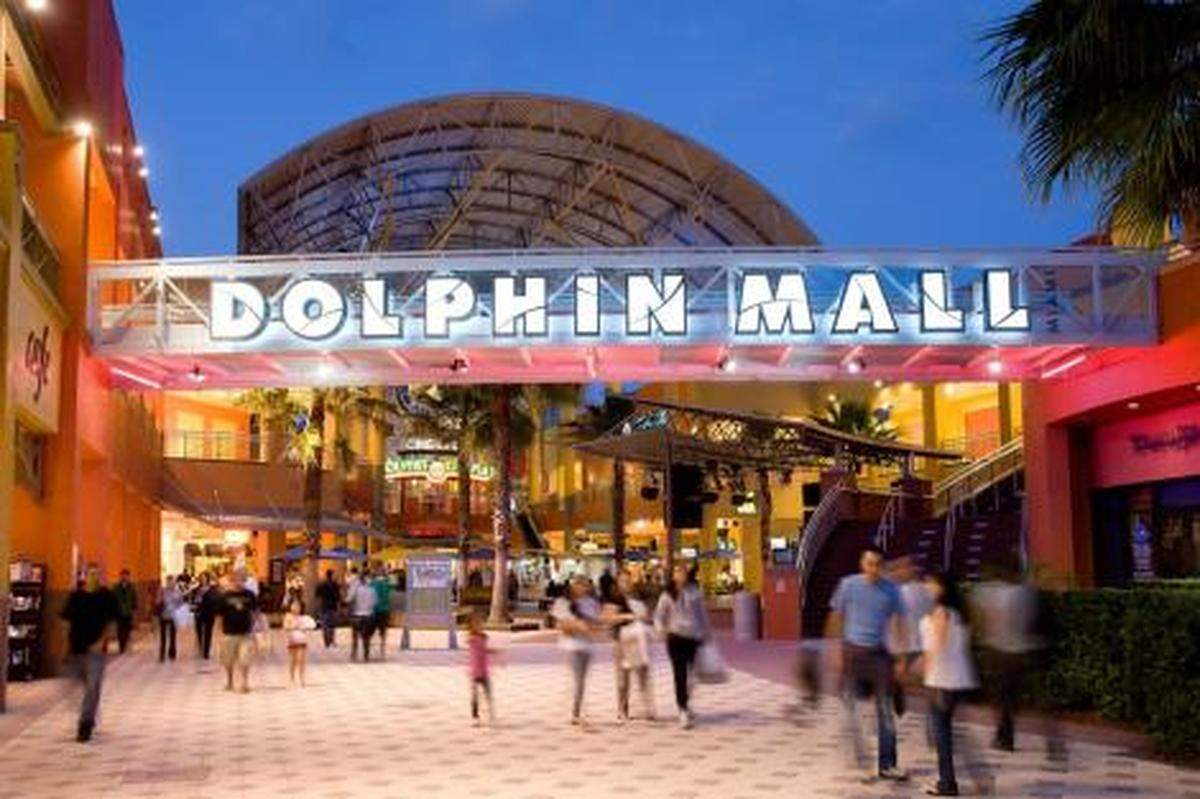
At Dolphin Mall, some areas will remain closed, including play areas and drinking fountains, spokeswoman Mainville said.
Operators will increase cleaning routines. Dolphin Mall will be cleaned and disinfected routinely throughout the day and after the mall has closed, including on frequently touched surfaces, Mainville said. Wipes will be provided for shoppers with strollers.
Brickell City Centre added 32 hand sanitizer stations throughout the mall, including by entrances and restroom corridors, Martin said. It will require masks for all of its staff and offer them to guests.
Bal Harbour Shops will add another cleaning crew to sanitize the mall throughout the day, said Matthew Whitman Lazenby, president and chief executive officer of Whitman Family Development. In addition to the regular morning crew staff that cleans the mall prior to its regular opening of 10 a.m., Bal Harbour Shops will hire approximately 14 people to clean the mall throughout the day.
All staff will also undergo daily temperature checks.
Bathrooms are under extra scrutiny, Lazenby said. All bathrooms will have doors that automatically open by way of hands-free sensors. The mall is adding touch-free sinks and hand dryers, and extra wipes for when clients are opening and closing bathroom stalls.
Each has its own policies regarding food courts and restaurants.
At Dolphin Mall, tables and chairs at the food court will be reorganized to encourage social distancing standards once the county allows inside dining to resume, Mainville said.
Bal Harbour Shops is expecting to move all restaurant seating outdoors, Lazenby said. Since outdoor seating has no restrictions — draft county rules restrict indoor seating at 50 percent of capacity, with additional spacing restrictions — the mall will line tables alongside the garden on the first floor, six feet apart, and overlooking the koi pond and garden on the second floor.
“This way restaurants can meet 100% occupancy, just outside with chairs and tables spread out,” Lazenby said. “The challenge is servicing clients that are more spread out.”
The mall is considering adding remote waiter stations and a dumbwaiter to help with service.
“Safety is of paramount concern but still we want to make sure people feel like they are escaping the anxieties of their everyday life. The sounds of the waterfall and palm trees swaying is critical to who we are,” Lazenby said.
This story was originally published May 6, 2020 at 7:00 AM.