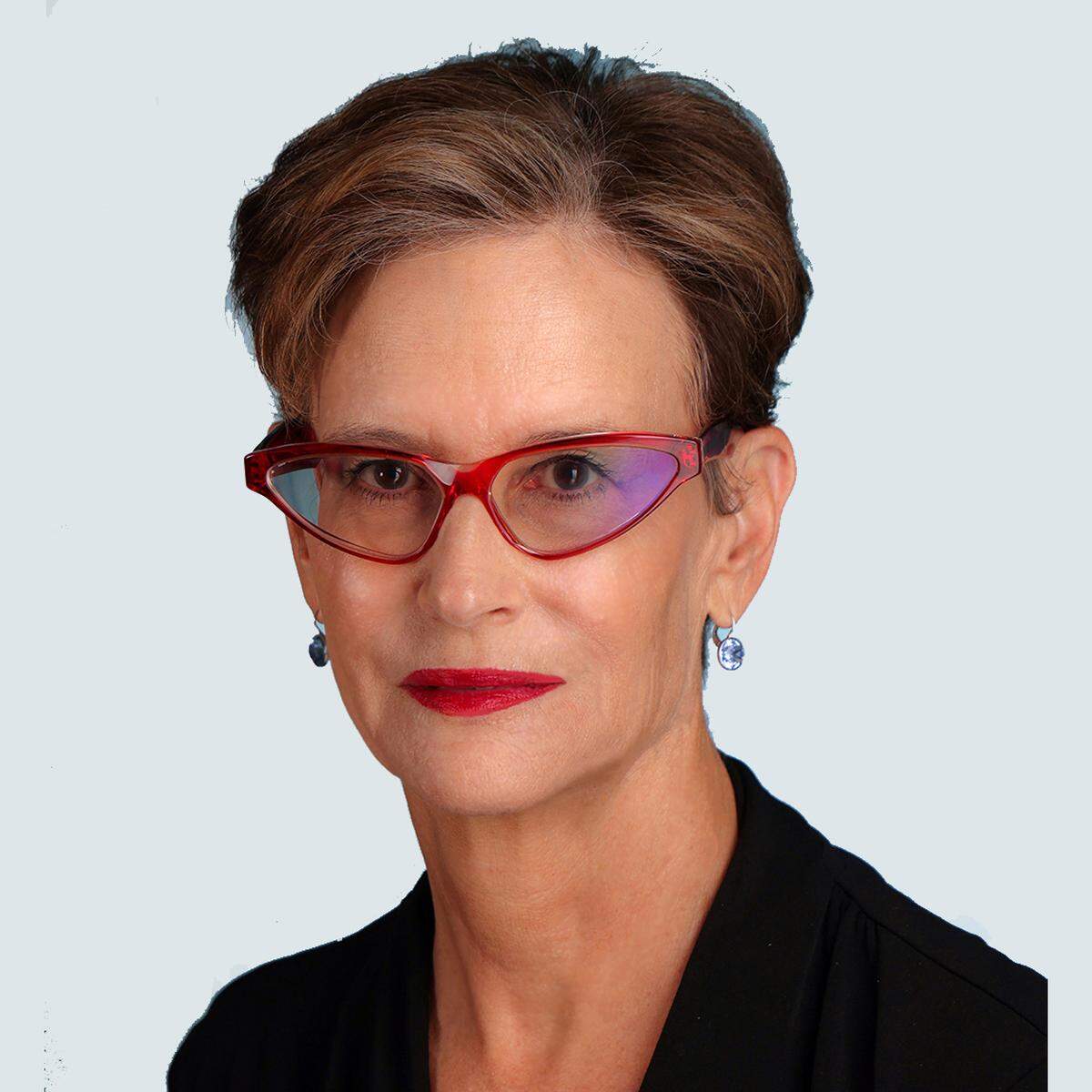
Karsenti: Investors likely to rethink how they deploy capital to limit risk
.jpg "A residential skyscraper designed by Arquitectonica would rise at the Douglas Road Metrorail station as part of a redevelopment plan that also calls for four other towers at the site. At left, a building outline marks the site of a planned 22-story tower at the corner of Douglas and South Dixie Highway.")
Measures to contain the spread of coronavirus are still shifting by the day — and so are responses by investors, developers, builders, banks and buyers. To track the impact in real-time, RE|source Miami is asking area real estate professionals in various sectors for on-the-ground reports.
Today we hear from Arnaud Karsenti, who founded Miami-based real estate investment and development firm 13th Floor Investments in 2005. Initially, the company primarily focused on purchasing commercial and residential real estate assets at a discount and then unlocking value for those assets over time — a strategy that positioned the company favorably heading into the Great Recession.
Today, 13th Floor is building high-profile projects including single family home communities, transit-oriented developments, and market-rate apartments. Current and recent examples include The Link at Douglas, 1010 Brickell, Motion at Dadeland, 400 Sunny Isles, Central Parc and Arbor Parc, The Harbour, and Avalon Trails.
Q: As someone whose real estate investment firm grew during the Great Recession, how does the current economic slowdown compare to the last cycle?
13th Floor Investments launched in 2005 with an opportunistic view of the real estate landscape. Our focus was on value investing, which means identifying and acquiring assets that hold more value than the price we pay for them. Most often, that means creating or unlocking value through a combination of development, management, leasing and sales – while limiting our risk exposure.
Many property owners were over-leveraged back in 2008, meaning they carried too much debt relative to the value of their asset. That triggered a flood of foreclosures and distress sales, which opened the door to a firm like ours. We went on to raise and deploy $150 million in new capital between 2010 and 2013, as investors shared our view that the market was ripe with opportunity.
This slowdown is materially different from the last one. Back then, all facets of the market – lenders, investors, developers and even consumers – got away from sound real estate fundamentals. That led to too much debt being issued and borrowed, which ultimately caused the crash. Over the past decade, lenders and borrowers have been more restrained, so our real estate market is on much stronger financial footing. The big difference this time around is that the economy has essentially come to a standstill, which is putting new types of pressure on real estate – especially hotels and retail properties.
The underlying lesson is that even though we’ve bolstered our real estate economy, no two slowdowns are alike, and the market is cyclical in nature.
Q: Which 13th Floor Investments projects are now underway, and have there been any construction or financing delays due to Covid-19?
Our homebuilding arm, 13th Floor Homes, has several single-family home communities under development, including Avalon Trails and Arbor Parc in Palm Beach County and Hidden Trails in Broward. In Miami-Dade, construction is moving forward on The Link at Douglas, which is a mixed-use development adjacent to the Douglas Road Metrorail station, and The Boulevard, a new multifamily residential development between the MiMo District and the Design District.
Construction of our developments across South Florida continues, but we have taken several precautions to ensure our project sites are healthy and our workers are safe, including practicing social distancing and granting temporary paid leave to anyone who isn’t feeling well. We pre-ordered many of our construction materials well in advance, so the supply chain has been holding up and we’ve been able to move our developments forward as planned.
Q: Are you seeing any short-term shift away from urban living, and toward suburban living and single-family homes?
It’s too early to say. Right now, most people are focused on staying safe – as they should be – and aren’t necessarily looking for a new place to call home. The reality is that South Florida is one of the most desirable residential markets in the world, so there’s always going to be demand for both urban and suburban living.
Longer-term, there may be people who pivot from a dense, urban lifestyle to something that gives them more space, but those decisions aren’t based on health concerns alone. Proximity to work, school quality, and location are among the most common considerations that guide a home purchase. It’s safe to say health will be a part of the discussion for the foreseeable future, but perhaps not the overriding factor.
Q: How will public health concerns impact real estate development long-term?
Historically, real estate has been one the most resilient asset classes, but it will take more time to understand the full extent to which the industry has been affected. The first stage of this crisis has demonstrated how incredibly intertwined all of us are within the global economy. The disruption of any one link in the chain affects just about every other link.
A business that requires recurring cash flow to sustain operations, like a restaurant, has been financially hit the hardest. That business’s loss has had a direct impact on employees who now have less money to spend of their own, the company that sources its food products, and anyone else whose livelihood is tied to the operations of the restaurant. It’s an immediate ripple effect.
The real estate investment and development business is typically slower to react, because our world values assets on a quarterly or yearly basis. We will also feel the impact of that restaurant’s loss, but knowing the effect on an asset’s valuation will take a bit more time.
I don’t know that real estate is going to be developed differently in the future, because there will always be supply meeting demand, but the pandemic will likely prompt investors to rethink how they are deploying their capital in an effort to limit risk. That’s the reaction anytime there is an economic slowdown.
Q. Where do you foresee investment opportunities as the economic recovery takes hold?
During the past decade, some investors and developers over-extended themselves by taking on too much debt or expanding their portfolio too quickly. Other investors took a more measured approach and preserved their liquidity. The owners who maintain a significant cash position and who aren’t coping with under-performing assets – such as a retail center with widespread tenant vacancies – will be the best positioned to put their investment capital to work.
Anytime there is an economic slowdown that causes distress in the market, investment opportunities are likely to surface. At 13thFloor, we are well-capitalized and ready to pursue the right deals, at the right time. Generally speaking, we are bullish on well-located assets that lend themselves to future redevelopment, but it’s still too soon to know exactly where those opportunities will surface.
Everyone is rooting first and foremost for our South Florida community to emerge and thrive. We have to remain vigilant and committed to staying safe, and that starts with listening to the experts. With that in mind, we will all benefit from a stabilized economy and real estate market. We’ll get there, so long as we stay true to real estate basics – keeping supply and demand in check, maintaining smart debt-to-equity ratios, and mitigating risk as best as possible.