Mekler on retail: Latin Americans continue to buy local real estate
Measures to contain the spread of coronavirus are still shifting by the day — and so are responses by investors, developers, builders, banks and buyers. To track the impact in real-time, RE|source Miami is asking area real estate professionals in various sectors for on-the-ground reports.
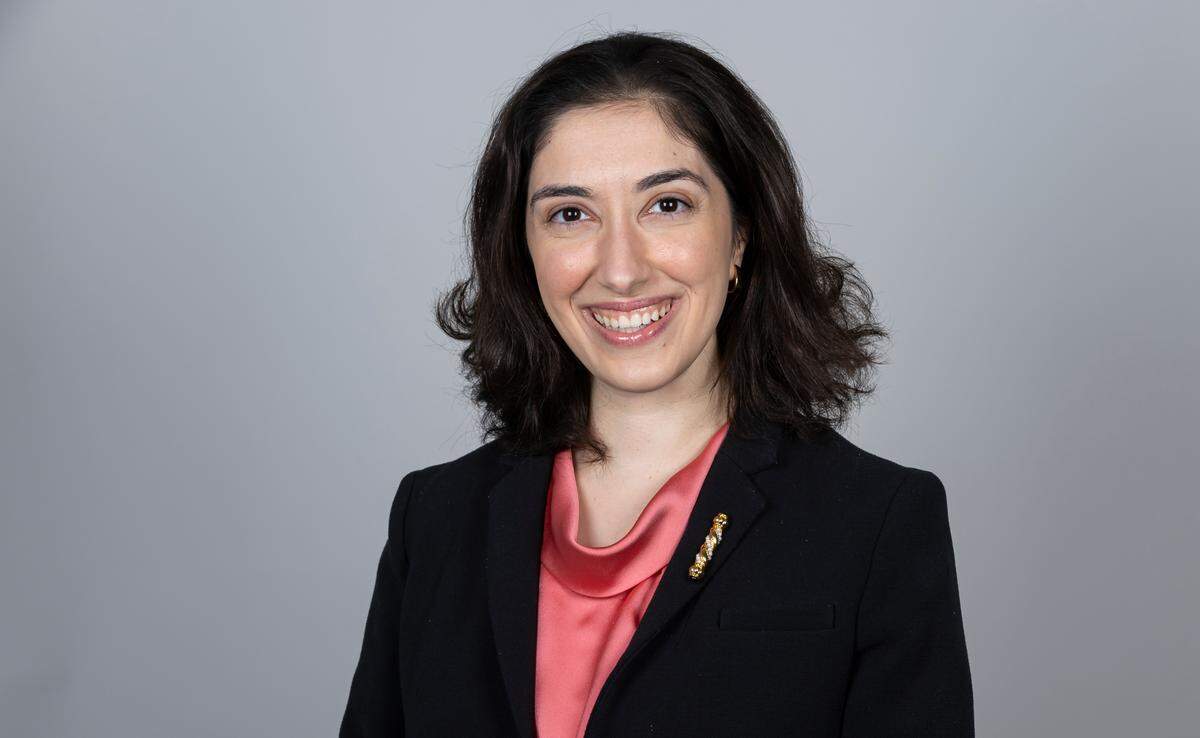
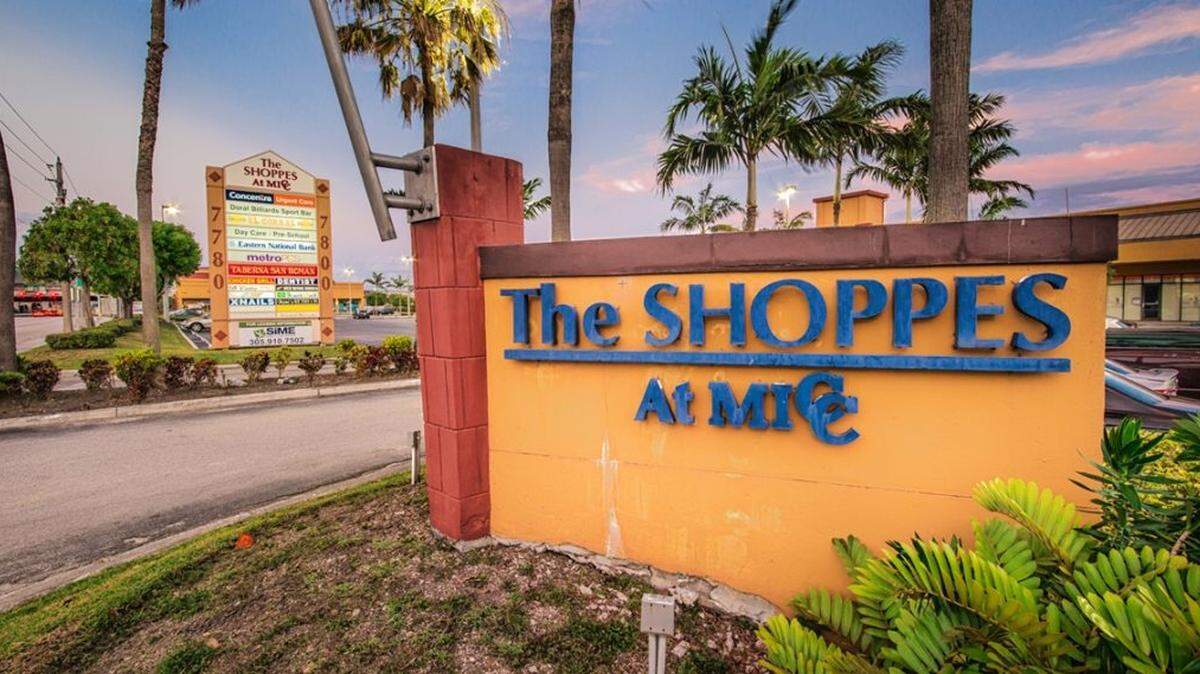
Today we hear from Claudio Mekler, chief executive officer of Miami Manager, a Sunrise-based commercial real estate firm focusing on property management and development that owns and runs shopping centers in South Florida and South America. Local properties include Plantation Marketplace and Shoppes at MICC in Doral. Its five local acquisition were financed with Latin capital.
.jpg)
Q: How are you negotiating with tenants who can’t afford to pay rent?
We make one-on-one decisions based on data. This month, we have negotiated agreements that benefit the tenant, our investors and our lenders. For a tenant who had paid us six months of rent in advance, we have reduced his April rent by 50%.
In the case of a tenant who is halfway through the construction of a new store, we will let him defer rent payments in April and May; he would only have to pay the Common Area Maintenance, or CAM, fees during that time. Then, beginning in June, he will pay full rent again plus an additional 10% every month to cover the deferred rent.
Another tenant will pay us 50% of the rent plus the CAM fees in April, May and June. In July, the business will begin paying full rent again.
Tenants are opening their books and letting us scrutinize their business model to negotiate a temporary solution. We are also sending our tenants an email blast informing them of all the loans that the state and federal government have made available for small businesses so they can access capital to cover their business expenses.
Q: How are you dealing with your own lenders and mortgage payments?
I can’t say it has been easy. I am hopeful lenders will realize that we didn’t cause the crisis and that they will be willing to work with us just like we are willing to work with our tenants.
We own five shopping centers in South Florida; we work with multiple banks. One lender gave a two-to-three month period to pay interest only without doing a loan modification. Another lender is refusing to let us use reserves we had set aside to pay for tenant improvements and broker commissions. We don’t understand why a bank would deny us access to our own funds. It is irrational behavior. Having said that, we continue to cover the mortgage payments on the other shopping centers.
Q: How are you dealing with Latin American investors?
Our investors understand that the values of real estate in the States may go down in the short term, but values will recover in the long term and even exceed pre-coronavirus levels. They are a lot more worried about the survival of their own businesses in their countries and the massive losses they suffered in the stock market. With a stock, you never know if its value will ever go up again. With real estate, you do. In the last few weeks, I’ve received calls from prospective investors who want to take their money from the stock market to put it into real estate in the States.
Q: Why are you and your Latin American investors continuing to search for more shopping centers and land at a time of economic uncertainty?
We come from countries where we experience economic uncertainty quite often. We learned how to operate and invest in unpredictable environments. It is true that the massive injection of government funds into the US economy will create inflation in the longer term, but we are used to hedging inflation too. To us, investing in US income-producing assets is the best way to protect our savings not only from our weakening currencies but also from the inflation in the US. While currencies lose value, including the dollar, income-producing assets gain value year after year as leases adjust to inflation. On top of that, you have the appreciation of the asset.
Q: How soon are you looking to close on new deals, and why?
We are looking for shopping centers and land for mixed-use developments in the tri-county area. We plan to start buying centers as soon as the real estate market reaches a certain level of normalcy. For example, we were talking to the seller of a property that was for sale before the crisis. But in the last couple of weeks, the seller took the shopping center off the market. Sellers and buyers need more clarity in terms of how much rent they will be able to collect to determine the market value of an income-producing asset. We are not there yet. But we are proactively looking because this crisis will allow us to buy retail centers and land that are usually off limits to us — because of price and high demand — in a healthy market.