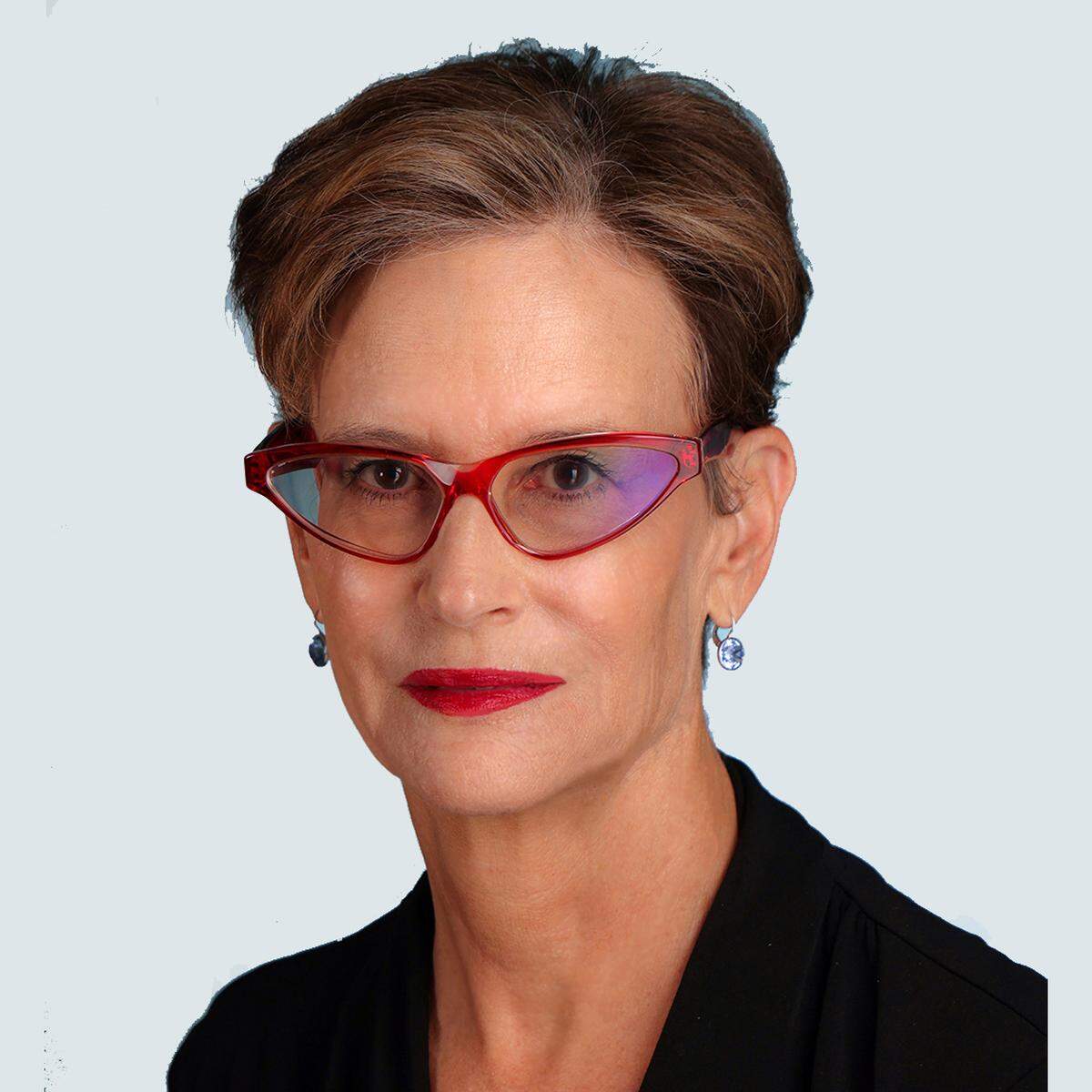
Arriola: This time around, Miami banks are part of the solution, not the problem
Measures to contain the spread of coronavirus are still shifting by the day — and so are responses by investors, developers, builders, banks and buyers. To track the impact in real-time, RE|source Miami is asking area real estate professionals in various sectors for on-the-ground reports.
Today we hear from Eddy Arriola, Chairman & CEO of Apollo Bank, which operates five branches. In December 2019, the bank announced it is being acquired by Suncoast Credit Union, the largest credit union in Florida.
Apollo serves both commercial and consumer clients. It has been in operations for more than 10 years and has more than $750 million in assets.
Q: How has Apollo Bank been responding to its employees and clients since the COVID-19 health crisis started?
The most important thing we are doing right now is staying vigilant and maintaining constant communication with our employees and clients. I am personally calling everyone – clients, vendors, team members – and being very clear about where we stand, how we are servicing our clients as the situation evolves, and the processes we have in place to anticipate new scenarios. There is no way to predict what will happen in the next few days, weeks or months, but if we stay in constant contact and are transparent, we will all get through this together.
To provide our clients with the highly personalized service and market expertise they expect from Apollo Bank, we are prioritizing our employees’ health and well being. For starters, we are committed to not laying off any team members. While we are not first responders, I do believe our work is critical during times of uncertainty because people want to know that their money is safe, that there is access to credit, and that they can reach their bankers to calm their worries. This is what we are doing daily, and our employees need to know they have our support, so they can in turn service our clients.
Q: How would you describe the current economic climate, and how would you compare the scenario we face today to the 2008 financial crisis?
The reality is that a recession is already in motion. Economic productivity essentially came to a nationwide standstill in March and joblessness is already widespread. We don’t know when the global economy will return to near-normal levels, but we can all agree that public health must be our priority in the near-term.
The good news is that banks are well-positioned to help stimulate an economic recovery. Nearly everything about this economic crisis is different than 2008. Banks were a big part of the problem in 2008, which hindered recovery efforts. This time, we are going to be a critical part of the national solution. During the Great Recession, many banks were over-leveraged, but today we are operating with strong liquidity and capital positions. This allows banks to fund loans, extend credit lines and back programs to help keep employers in business and their employees on payroll.
Another big difference has been communication. Because banks factor so heavily into the government’s economic relief plans, regulators have been overly communicative and responsive. We are hearing from the government every day, and they are providing us with advice on how to help our clients in real time.
While there is no playbook for navigating a global pandemic, our model as a community bank is allowing us to help support small- and mid-sized businesses that are hurting. We are helping by providing funding, financial counsel and making loans to clients.
Q: What are the conversations that you’re having with borrowers and what concerns do they have?
Our bankers are engaged in daily conversations with clients, which include small- and mid-size businesses in South Florida, all which are being impacted by the health crisis. We are working closely with our clients to ensure they have access to their accounts and funds and are advising them on the federal financial relief and business loans available to determine what their options are and how to best access them. We are especially concerned about the ability of some businesses in our community, from restaurants to boutique hotels, to overcome the losses they are incurring while fully or partially closed.
Q: What do local businesses need to know about the CARES Act that Congress has passed?
The Coronavirus Aid, Relief, and Economic Security (CARES) Act that recently passed has earmarked $350 billion to help small businesses keep their workforce intact amidst the pandemic and the resulting economic slowdown. One initiative that can benefit many local businesses is the Paycheck Protection Program, which provides 100% federally guaranteed loans, which may be forgiven if borrowers maintain their payrolls or restore them after the crisis. Over the coming days, more details will be released including a list of lenders that will be offerings these loans.
The small businesses that are eligible to file for a loan are those with fewer than 500 employees, including non-profits, sole proprietors and independent contractors. Loans can total up to 2.5 times the borrower’s average monthly payroll costs, not to exceed $10 million. Lenders will be looking at whether the loan is necessary for a business to continue operating and the extent to which funds will be allocated to keep employees on payroll and cover critical costs such as mortgage, lease or utility payments.
Q: What is the status of the pending merger between Apollo Bank and Suncoast Credit Bank?
The merger is moving forward as planned, and we are on target to go before regulators for approval in June. In the meantime, both institutions are focused on supporting our employees and clients during these difficult times. We are helping each other and the communities we serve throughout Florida to get through this health crisis, recognizing that banks with a local presence are especially critical to sustaining business activity and keeping our economy moving.