
How a simple ‘ranch’ home sparked a clash over historic preservation in Coral Gables
It seemed a straightforward proposition.
Coral Gables’ respected historic preservation officers asked the city preservation board to grant protection as a historic and architectural landmark to a relatively simple 1930s modern house by a noted architect that served as a precursor to the ranch homes that would later blanket South Florida and the rest of the nation. The house, a heavily researched report concluded, is important because it marked a radical and deliberate departure from the Mediterranean style of the city’s early years.
Instead, the matter dragged on for weeks with no resolution. It was deferred repeatedly and procedurally deadlocked the preservation board, before it narrowly decided this week, by a 5-4 vote, not to designate the 1937 home by architect Russell Pancoast. That clears the way for the home’s demolition, barring a successful appeal to the city commission.
Previously, the board designated one 1950 ranch-style home by another noted architect as historic, and has granted protection to a clutch of other modern structures. But when it came to the Pancoast house, owned by a prominent family that intends to replace it with a new home, a board majority balked. It’s unclear on what grounds, since no board members -- either for or against -- gave any reason for their vote.
But the Pancoast house has become a flashpoint for two increasingly clashing views over preservation in the city. Gables preservationists worry that a city defined by its rigorous preservation program is in retreat from it. Conversely, the city mayor has complained that strict preservation of homes and buildings has gone too far and is hurting development and the real estate industry.
Exhibit A: An unusual open “report” by Mayor Raúl Valdés-Fauli prompted by the proposed Pancoast house designation. In it, Valdés-Fauli decries what he describes as a minority of residents “obsessed” with historic preservation, derides the city preservation office for proposing the designation of a ranch house, and concludes that preservation in the City Beautiful has gone “overboard” to the detriment of real-estate interests.
“Overkill kills,” Valdés-Fauli wrote at the end of the memo.
The letter, read out loud to the preservation board by a city staff member during a January hearing, stunned advocates who have long regarded Coral Gables as a bulwark of preservation, but were already stung after losing some recent high-profile battles to save buildings they regard as significant. Board members did not comment on the missive.
But, with one member absent and one seat vacant because of a death, the closely split board was unable to come to a binding decision on the Pancoast house designation.
In that inconclusive January hearing as well as this week’s, there was no substantive debate by board members on questions that seem likely to increasingly confront the city, best known for its Mediterranean-inspired architecture: Should the city be protecting more examples of the modern homes and buildings that proliferated across the city starting in the 1930s, and that arguably tell a fuller story of the city’s development for much of the 20th century? And, if yes, how best should the historic or architectural value of individual properties be judged?
On Thursday, a day after the board’s “No” vote, Brett Gillis, vice president of the Coral Gables Historic Preservation Association, took the unusual step of asking Vice Mayor Vince Lago to remove his appointee from the board. In an email to Lago, Gillis contends she not fulfilled her duties in fair or consistent fashion.
Valdés-Fauli’s letter, meanwhile, has raised questions about the process. The mayor, who has supported historic preservation in the past and lives in a historic district, declined to speak to the Miami Herald about it.
The mayor’s memo echoed critics of the city’s preservation program who contend it’s overly exacting and burdensome for homeowners required to seek multiple and often costly approvals for renovations and additions for designated properties.
Preservationists, however, complain it may represent undue political interference in the workings of a board that’s supposed to be quasi-judicial, meaning members must judge the merits of a designation based on specific legal criteria and sworn testimony in a public hearing, and not on lobbying or political concerns. Board members are volunteers appointed by the mayor and commissioners.
Moreover, the matter may yet come before the mayor and commissioners on an appeal, also as a quasi-judicial matter. Because Valdés-Fauli has already announced his strong opposition to the designation, preservationists argue, he should recuse himself from hearing any appeal.
They also complain the letter is misleading and contains several factual errors. It states at one point, for instance, that the buyers of the house, members of the Valls family that runs the Versailles and La Carreta restaurant empire, had not ”the slightest suspicion” it could have historic significance, reiterating what family members have said publicly.
In fact, testimony at preservation board hearings showed that the real estate listing for the home in 2018 plainly stated it might be eligible for historic designation. Because the family applied for a demolition permit after purchase and the house is older than 50 years, the city preservation office was legally required to evaluate whether the property has historic or architectural significance.
“The pressure being applied to [board members] is inappropriate,” said Gillis, whose organization actively backed the Pancoast house designation. “I don’t think it’s fair of this mayor to come along and intervene in this case. Why? What is so different about this case?
“The mayor talks about the historic preservation board being valued advisors. Then why do we need to have this letter sent that has so much misinformation? And how can somebody be fair and impartial if they’ve already stated their opinion here?”
The tussle over the Pancoast home has come amid an extensive wave of large-scale development in and around city’s downtown that has provoked consternation among some residents who contend it’s eroding Coral Gables’ historic scale and feel. Some of those projects were approved before Valdés-Fauli was reelected to the mayor’s post in 2017 following a 16-year absence from the elected office. Since returning to office, Valdés-Fauli has been a vocal defender of what he’s called “rational, measured development.”
At the same time, the Historic Preservation Association, a group that had long taken a low profile, has assumed a more pro-active approach under new leadership, arguing that development pressure has led to the loss of some significant buildings. The association has wielded online petitions and social media to spotlight and support new designations, and sharply challenged decisions by Valdés-Fauli and the commission as well as the preservation board.
The group’s public support of designation for the Pancoast house helped generate about 60 letters and emails to the city favoring protection, an unusually high number. By contrast, there were only a few messages against designation, though the Valls family brought numerous supporters to testify on their side at the January hearing.
In an email, the Valls’ attorney, Mario Garcia-Serra, said the delays and uncertainty over the house’s fate have “created a lot of emotional and financial hardship on them.”
“They are just a young couple wanting to build a new home,” Garcia-Serra wrote before Thursday’s vote. “They never wanted or expected to be thrust into this situation. ... None of this process seems right or fair and I am concerned for similarly situated homeowners in the Gables.
“My clients will have to bear all the burden (of designation) and they will essentially lose their right to develop their property as they deem appropriate because others who have no financial investment or risk at stake want to impose this designation,” added Garcia-Serra.
Garcia-Serra is a member of the board at Dade Heritage Trust, a leading Miami-Dade preservation group whose director has written a letter supporting the designation, though he’s acting independently of the organization in the matter. Preservation ordinances are a subset of zoning laws, and courts have ruled repeatedly that local governments can protect homes and buildings deemed historically or architecturally significant without the consent of owners, just as they impose other limits on the use of properties.
For preservationists, the ranch-house debate has been especially charged because it’s followed two high-profile losses in the Gables in which the preservation board, going against strong staff recommendations, declined to designate two 1920s buildings closely associated with city founder George Merrick.
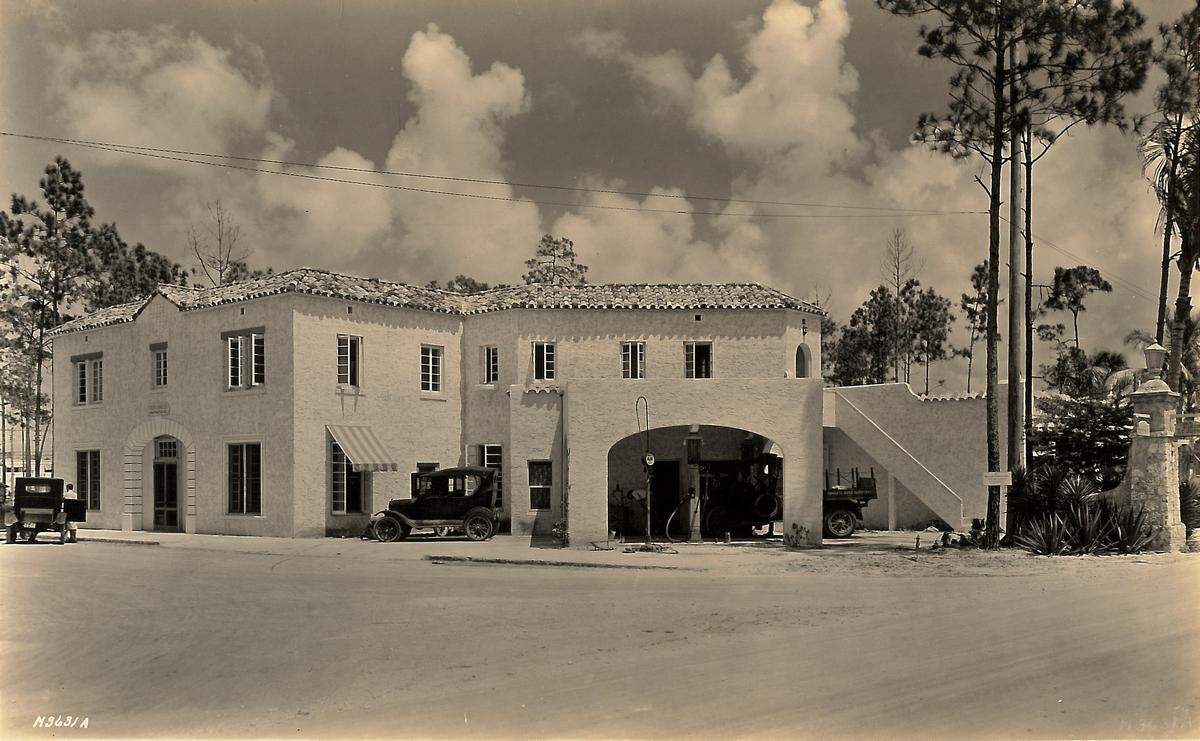
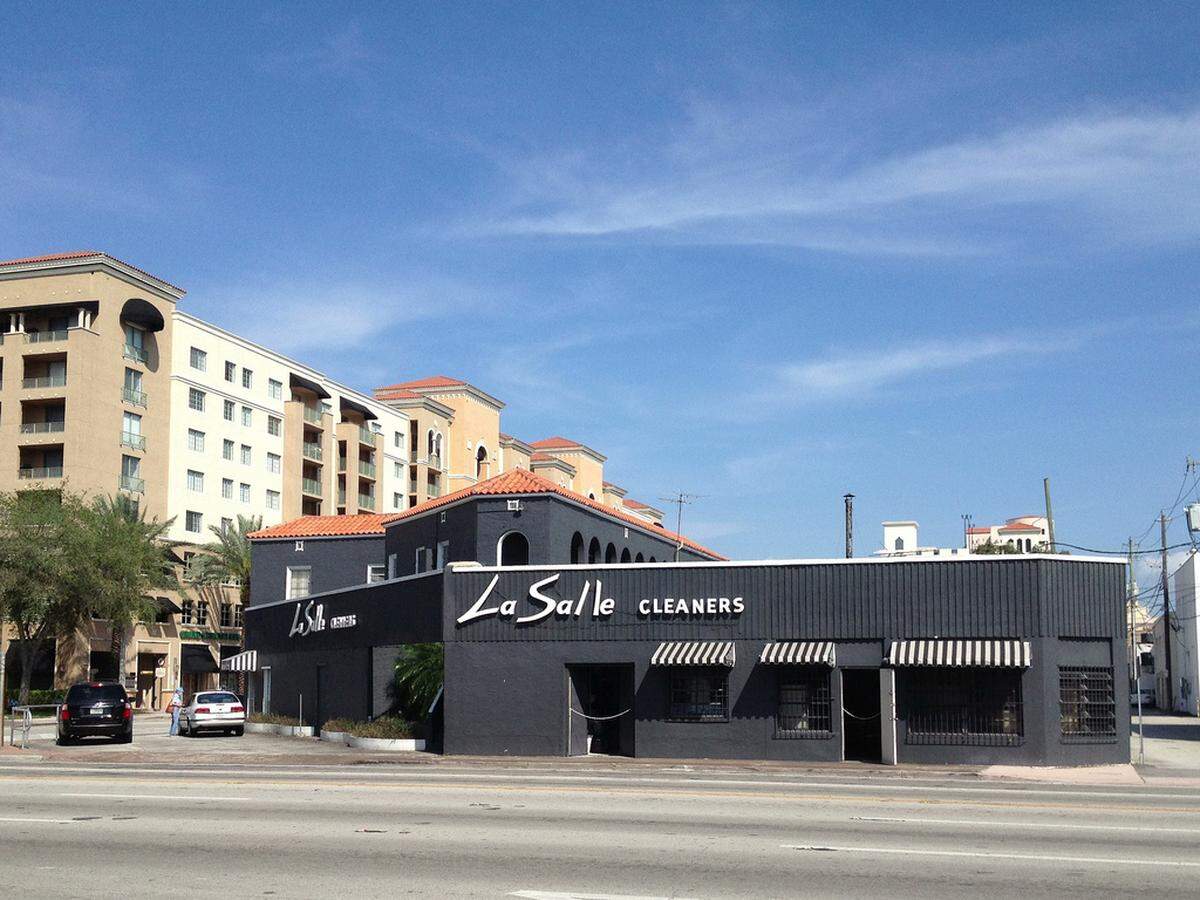
Both of those instances drew the ire of Valdés-Fauli. In the first, the city and the preservation board came under fire by the association and other preservationists in 2018 for OKing the demolition of the LaSalle Cleaners building, one of the last standing commercial structures in the downtown Gables built by Merrick, for a parking lot — a deal that Valdés-Fauli strongly supported. A preservation board majority concluded it was too altered to merit designation. After a public outcry, the city commission reversed the decision, but eventually allowed the demolition when the city could not agree to the price to buy the property.
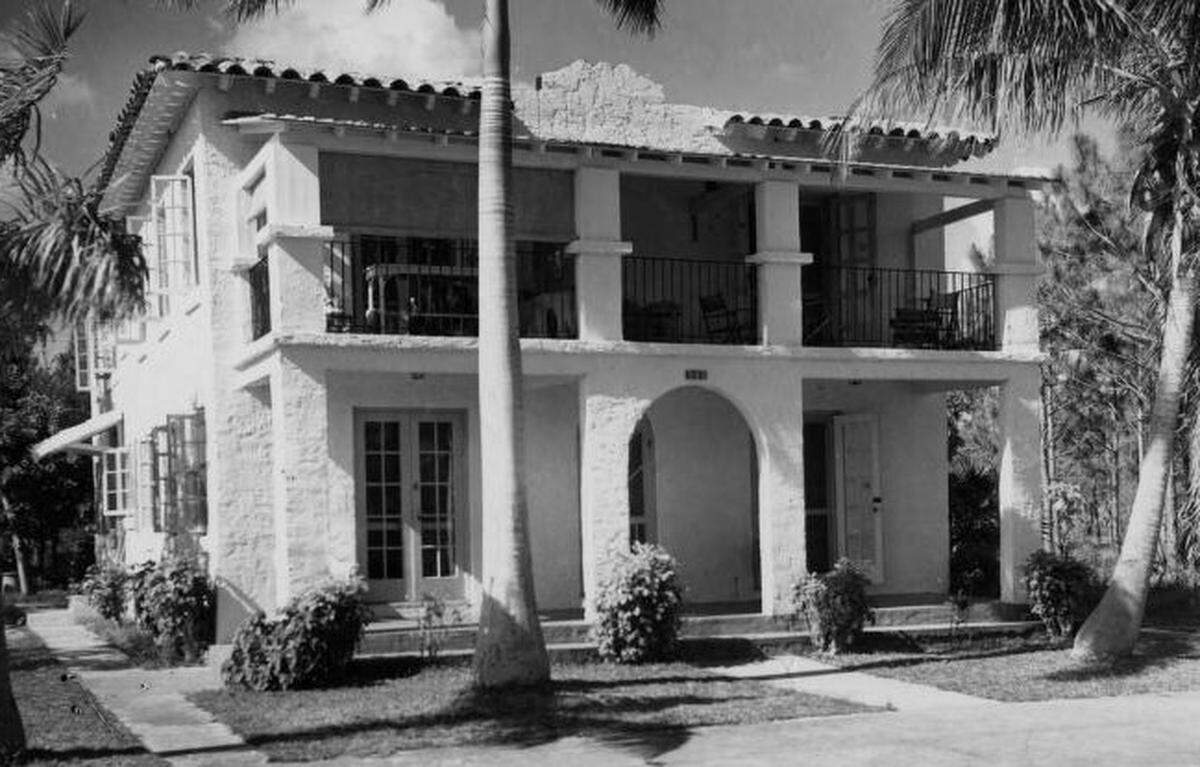
In the second case, the preservation board voted against designating a modest but rare 1920s apartment building designed in Mission Revival style, uncommon in the Gables though popular across Miami in the period. The building is one of just a couple remaining from Merrick’s vision for a “crafts” district of artists and artisans around Ponce Circle. An attempt by a Gables resident to challenge the board’s “no” vote to the city commission was turned down because city ordinances limit the right to file an appeal to property owners.
Lago worked with Historic Preservation Association President Karelia Carbonell and city staff on a measure, eventually approved by the commission, to expand the ability to appeal by allowing the Gables preservation officer to file a challenge when an appellant is found not to have legal standing. The commission approved the measure, but has so far balked at another proposal that would have allowed a recognized organization like Dade Heritage Trust to appeal. That proposal is pending.
In his letter, Valdés-Fauli assailed the expansion of the right to appeal because, he said, the existing process “has worked well for years.” He also complained that the city’s preservation ordinance also allows anyone to nominate a property for historic designation, though that nomination must first pass muster with the city preservation office.
“We have done this to please very few obsessed members of the public,” he said of the proposed expansion of the right to appeal.
Carbonell and other preservationists say they were taken aback by the mayor’s position, which they contend significantly overstates the burden on owners of historic homes without examining the benefits. Those range from increased property values for individual homes as well as historic districts and a 10-year abatement on property taxes after qualified renovations, they say.
As to Valdés-Fauli’s contention that the city’s nomination of the Pancoast house for designation is unfair, Carbonell said the rule that homes over 50 years can be reviewed for historic significance is well known. She said city staff followed the letter of the city ordinance when they nominated the property for designation after concluding it meets several criteria for designation.
“The mayor is insinuating that historic preservation is running running amok, which is a fallacy,” Carbonell said. “There was no gotcha thing with the city. The city followed the code. This is how it’s done.”
Carbonell also said the city has failed to consider other potentially significant buildings for designation, including the Brutalist-style fire and police station it will soon move out of, as well as a MiMo-style “formalist” office building on upper Ponce de Leon Boulevard that will soon be demolished.
In addition, city records show that scores of houses older than 50 years, including many ranch-style homes, have been demolished in the past two years. At the January hearing, interim preservation chief Kara Kautz told board members that the city staff nominates only a very select few of those for designation to the preservation board after concluding they meet the legal criteria.
Even as many are demolished, mid-Century ranch homes in the Gables have also become sought-after properties for young buyers who appreciate their stripped-down modernity.
While it may not be regarded among the greatest of Pancoast’s works, the city report concluded the Valls’ house is significant because it represents a key turning point in the evolution of the city’s architecture away from traditional and Mediterranean styles.
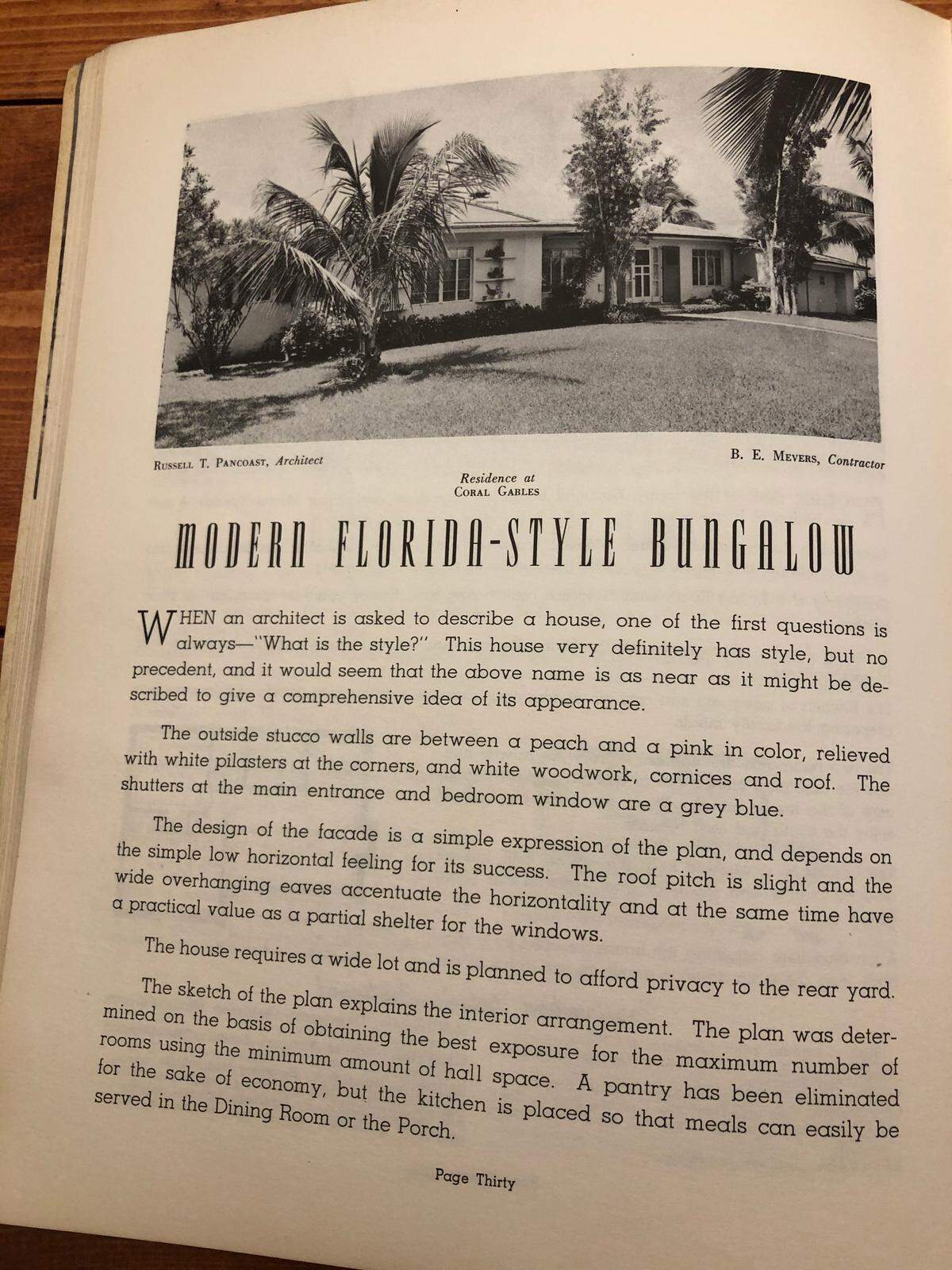
A 1938 Miami Herald publication unearthed by preservationists since the January hearing appears to support that contention. It features a spread on the home that describes it as a “modern Florida-style bungalow” and says it “very definitely has style, but no precedent.”
The descriptions emphasizes the low pitch of the roof and its horizontal design as a break from traditional architecture, echoing conclusions in the city report.
Though the term “ranch” had not been invented, it was soon applied to homes built around the Gables and the rest of the country, especially after World War II. Because it’s custom-designed with touches of the Art Deco style Pancoast was known for, though, the Valls’ house is not a typical mass-produced ranch, but a unique precursor that set a new modern template for the city, designation supporters say. The house is also in pristine condition, they note.
“That depression-era architecture is some of most unique we have, especially since not a lot was built in that period,” Gillis said, adding that to demolish it would be “erasing an era.”
For Gillis and other preservationists, the worries about the city’s direction are compounded by the recent retirement of longtime preservation chief Dona Spain, and second-hand reports that City Manager Peter Iglesias has expressed opinions some have seen as critical of the program.
Iglesias flatly rejected those characterizations in an interview, saying he is fully supportive of preservation. The chief’s position is being advertised and the city hopes to attract a “top-level” preservation professional, he said. He also discounted rumors that the stand-alone, four-person department would be subsumed under the planning director, saying it will retain its autonomy.
“Historic preservation is important. It does affect people. That’s not something I take lightly. I do think historic preservation should be done conscientiously and correctly,” he said. “We have a very professional department and a very qualified board. I think they’ve done a very good job. There’s good checks and balances.
“Just because you don’t get everything you want doesn’t mean something is amiss.”
One prominent Gables preservation veteran agrees. Venny Torre is a builder and developer who specializes in traditional-style townhomes and who served on the city preservation board for eight years, part of the time as chair. He said it’s natural for the city and preservationists to seek periodic “recalibrations” of the preservation program, but he’s seen nothing to make him doubt Coral Gables’ commitment to historic preservation.
“I trust the system,” Torre said. “It has worked well and will continue to work for many years. We have serious and thoughtful people on the board. We are very protective of historic properties. There is no one trying to undo that. It’s not going down the tubes.”
This report has been updated to reflect the preservation board’s vote against designation, and to provide more detail about a provision expanding the right to appeal a board decision.
This story was originally published March 4, 2020 at 6:00 AM.