He just bought the former Walmart site in Midtown. What’s next for Alex Vadia?
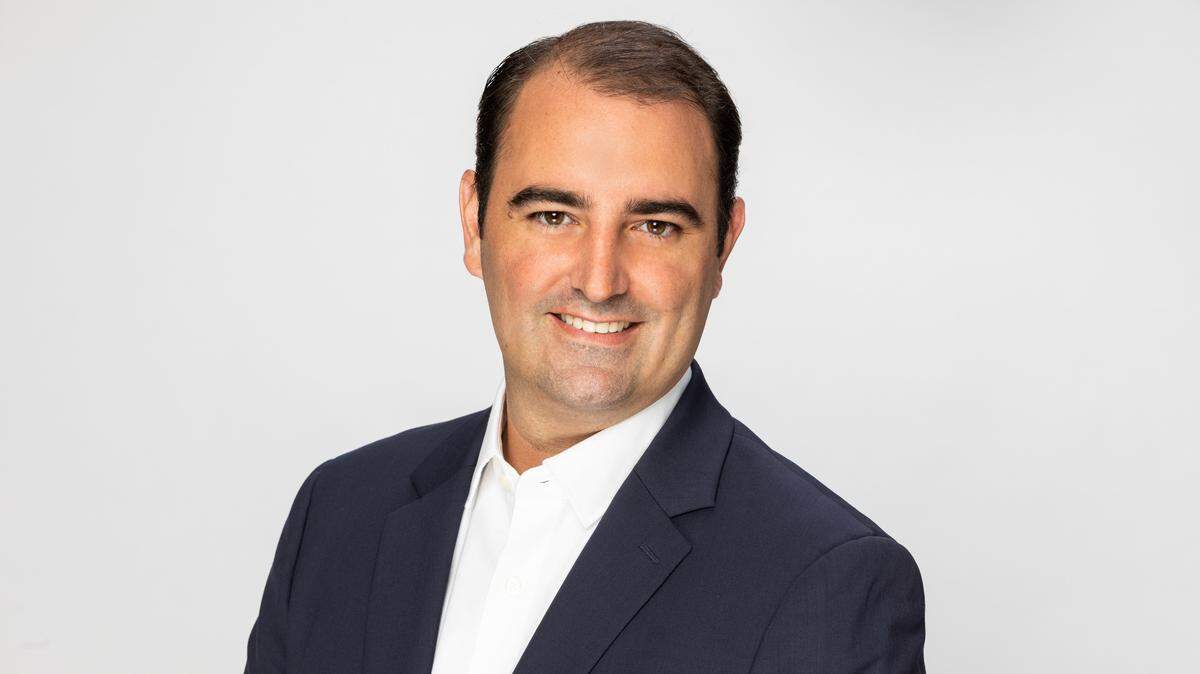
One of the principal developers of Midtown Miami drew his inspiration for a walkable neighborhood from his college days in Boston. Years later, he’s still working on making his vision a reality.
Alex Vadia, principal owner of real estate fund Midtown Opportunities, bought a site once designated for a Walmart site in late September. Born in Miami, Vadia spent most of his childhood in Coral Gables before moving with his family to his mother’s homeland of El Salvador. He returned to the U.S. for high school, studying in Rhode Island and then college at Suffolk University, where he studied marketing. He returned to the Magic City after graduating from college to live close to family.
Vadia made his first Midtown purchase in 2011, buying 22 acres of vacant land along Northeast Second Avenue for almost $62 million, according to the Biscayne Times. He has since sold off several parcels — including the site that is now occupied by Hyde Midtown — but retained more than 8 acres, according to Miami-Dade Property Records. Investors include former slugger Alex Rodriguez, who plans to open a UFC Gym in the area.
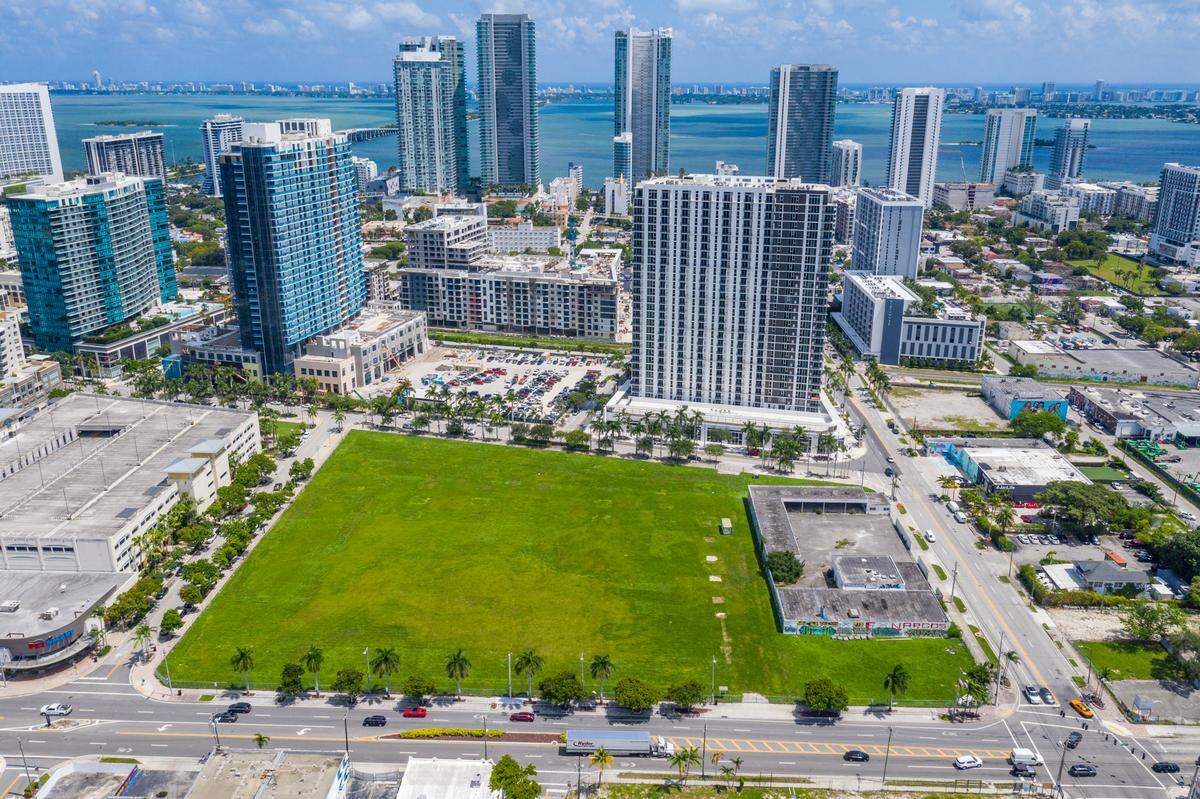
Most recently, Vadia purchased the 4.6-acre property at 3055 N. Miami Ave. once designated for a Walmart for $26.4 million. Walmart made the purchase in 2014, paying $8.2 million.
As of September, Midtown Opportunities also holds 5.5 contiguous acres plus air rights allowing 24 to 36 stories of vertical construction. The vacant land is bordered by Northeast 31 St., Northwest 29 St., Northwest 30 St. and Northeast 30 St. Preliminary plans for the property included a large-scale and multi-use with an organic grocer retail anchor, said Vadia.
Re|source connected with Vadia over email to learn about his plans for Midtown Miami and what’s next for him.
.jpg)
Q: You started buying land in Midtown in 2011, and continue to invest in the area. Why focus on Midtown to begin with?
It was 2009 that we first started buying land in Brickell, specifically on South Miami Avenue. I moved back to South Florida from Boston, and it was there that I had grown accustomed to walkable neighborhoods, and to appreciate the community that develops within and around them. At the time, not many areas in Miami were walkable. Our vision was to build a walkable community in Miami.
Our sights soon shifted and we were attracted to investing in Midtown because it already had the infrastructure to complete that vision. In addition to Midtown’s walkability, it had the perks of close proximity to Miami Beach, Downtown Miami and easy access to I-95.
Q: What other areas are you interested in, and why?
What we have accomplished with Midtown Miami is something we’re looking to develop in other cities. So, in 2016, we started to invest in downtown Orlando. We strategically purchased 22 acres in the center of downtown Orlando, on Orange Avenue, and our mixed-use project is in the design phase.
We are now considering investing in Jacksonville, to create a similar neighborhood as Midtown Miami, with the aim of walkability and fostering a neighborhood feel.
Q: How does Midtown stack up to other Miami neighborhoods? What are its strengths, and how does it need to change?
Midtown is unique because it is a residential community sandwiched between the Design District and Wynwood. Its buildings meet high standards of urban design but it has a true community feel. Thanks to the walkability aspect, which is so important to me, Midtown neighbors know each other by name; there are few other areas in Miami where that can be said. This is also thanks to the vibrant businesses that have carefully curated throughout the years, such as Angelina’s Cafe, where many locals go for their morning coffee or weekend brunch, or Salumeria 104, an area favorite for Italian cuisine, and Sugarcane, a Midtown staple where Miami locals meet after work.
There’s also something to be said for Midtown’s abundance of health- and well-being-focused lifestyle activities and businesses, evident in our tenant line-up of specialized gyms such as Barry’s Bootcamp, Solid Core, and the soon-to-open Thatch, a highly anticipated five-thousand-square-foot vegan restaurant and market, new from Christopher’s Kitchen.
As far as opportunities for the neighborhood, we are considering this value placed on health and well-being, as well as the growth in young families; that is why we are looking to add an organic grocer, and the Midtown Community Development District is currently constructing a children’s park.
Q: What are your predictions for the area in the next five years?
Three major projects in Midtown recently reached or are about to reach significant milestones: Midtown 8 recently opened, Midtown 6 is opening in the first quarter 2020 and AMLI Chiquita is opening in the second quarter 2020.
Midtown will be home to over 3,000 new residents in the next year. As far as the next five years, the neighborhood will have grown exponentially, of course, in line with the community’s vision for the Midtown neighborhood.
Q: What does Midtown Opportunities have planned for the former Walmart location in Midtown and overall time frame for its plans there?
We just purchased the site a month ago, so we are still in the design phase, and do not have specific details on a time frame for development.
This story was originally published November 13, 2019 at 4:30 AM.