A look at the Miami billionaire island making headlines during the coronavirus pandemic
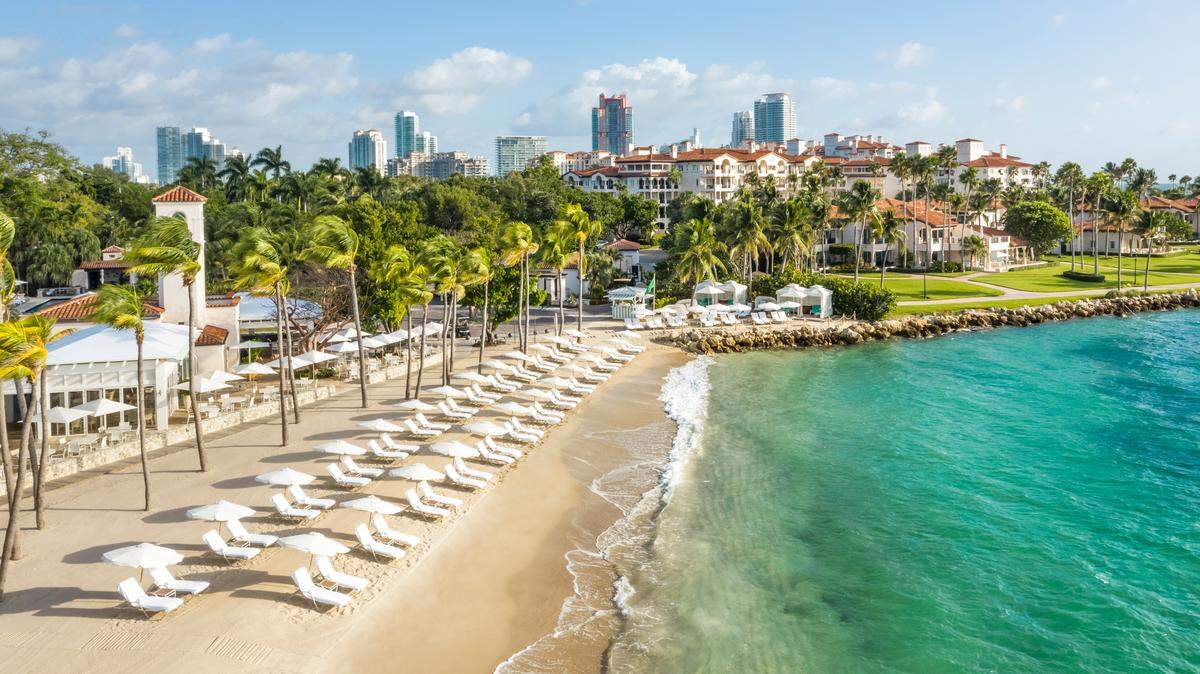
Fisher Island has been in the news a lot during the the coronavirus pandemic.
Wealthy residents of the private island purchased thousands of COVID-19 blood tests from the University of Miami Health System for all of its residents and workers, the Miami Herald reported. And this week, the homeowners association was approved for a $2 million loan through a federal program intended to help small businesses survive the COVID-19 pandemic.
Meanwhile, most other Miami-area small businesses were left out of the first round of federal funding.
Today the island of about 800 families has the highest concentration of billionaires in the United States, said Elena C. Bluntzer, real estate advisor at Bluntzer Group and island resident.
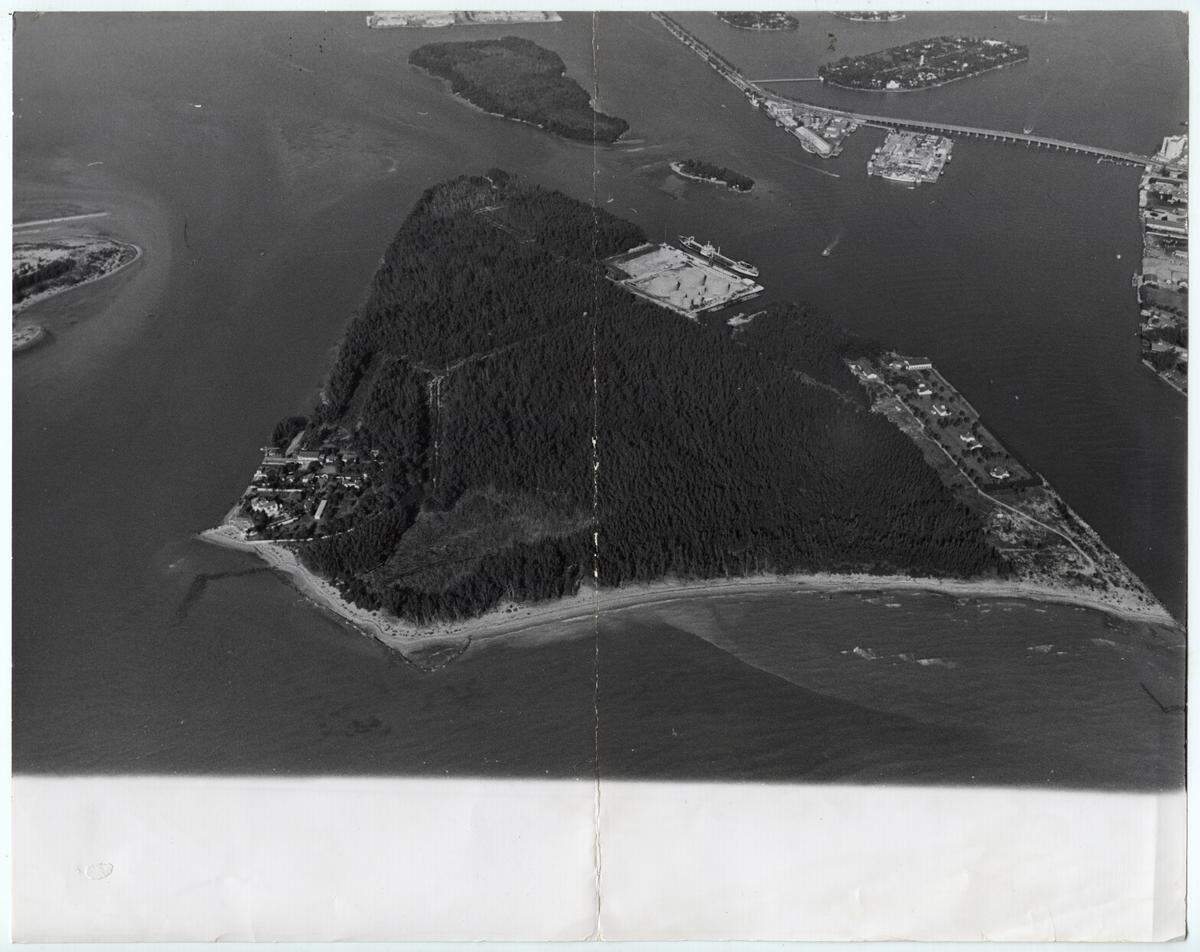
The island’s history goes back to the mid-1920s, when Carl Fisher decided to trade his private getaway for a yacht to William Vanderbilt. For a number of years, the island traded from one single owner to another, but today a slice of the 216-acre island costs millions.
In December, Fisher Island celebrated its centennial, commemorating the 1919 exchange when automobile tycoon Fisher bought the then 21-acre barrier island from one of Florida’s first African-American millionaires, Dana Dorsey.
It is uncertain how much Fisher paid Dorsey, said HistoryMiami Museum’s Resident Historian Dr. Paul George, but according to records Dorsey paid $25,000, or about $500,000 today, in 1918 for the island.
The island transformed over time to become one of the most expensive ZIP Codes in the country, 33109, with an average income of $2.5 million, according to data from the Internal Revenue Service in 2015.
Still, the island has seen better times. Home values are fluctuating on the island despite an injection of new inventory with Palazzo Della Luna and Palazzo Del Sol. Fisher Island had an average home value in 2019 of $3.01 million, an 8.3% drop from 2018, according to a 2020 Zillow report.
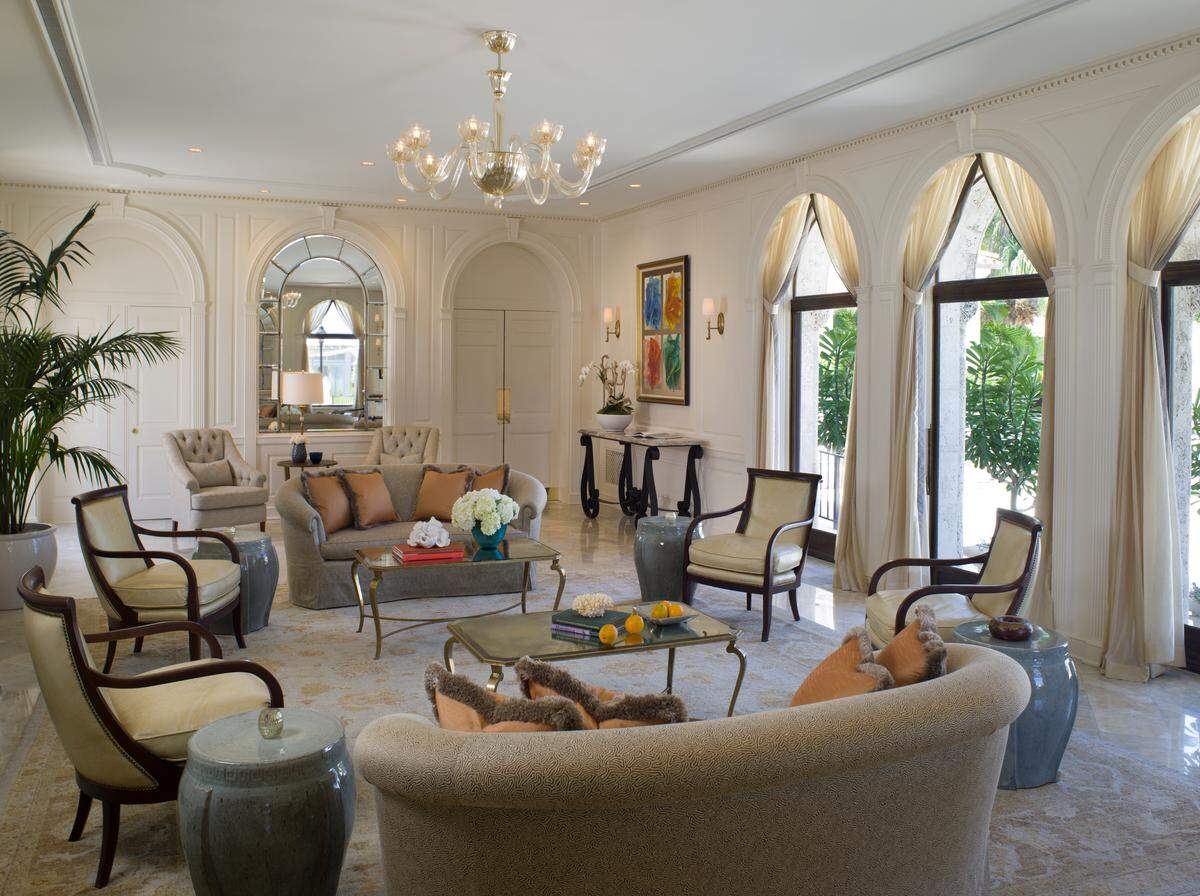
The status quo doesn’t concern Bluntzer, who believes the problem lies in a change in the buyer pool. She said, “We were very dependent on foreign buyers.”
Buyers from the Northeast are outpacing foreign buyers, she said.
.jpg)
But no community called the island home until the 1980s, said George, after Charles G. Rebozo, a friend of President Richard Nixon, bought the island in 1963. Rebozo’s nephew later oversaw condo development and the conversion of the island from a vacation spot to a residential community.
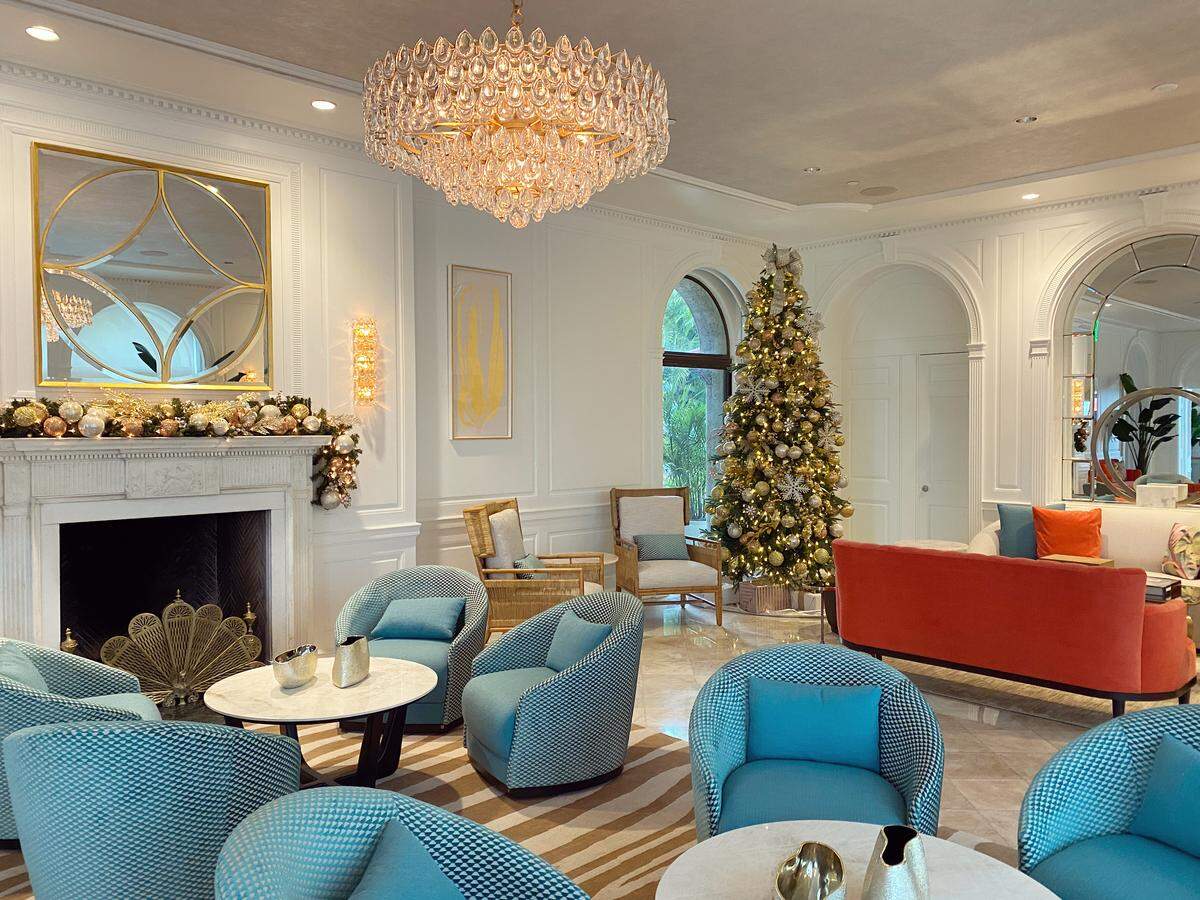
It became the home of some of Miami’s upper-middle class, including attorneys and doctors, until the early 2000s.
“Those condos and amenities were in reach of six-figure salaries,” George said. “But they continued to add amenities. Developers just thought if you put more amenities, you could make the island more lavish.”
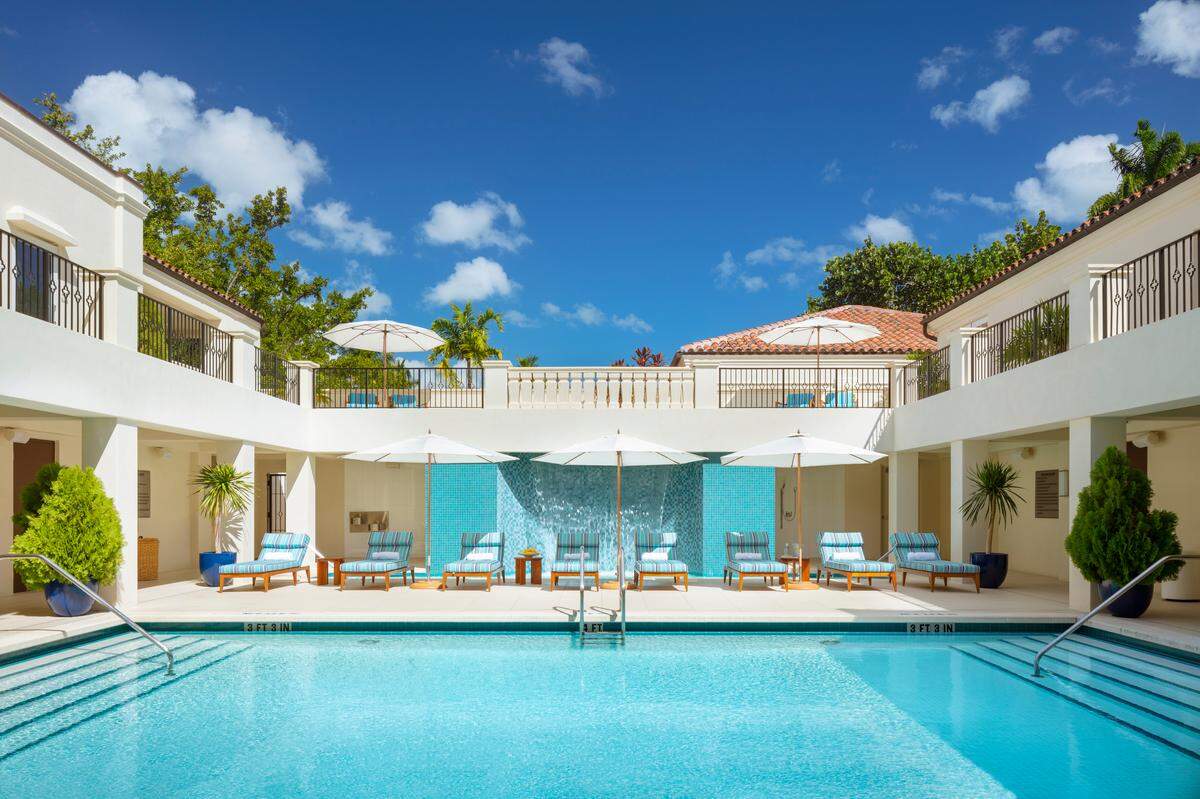
It’s the amenities and exclusivity, Bluntzer said, that distinguish the island. She said, “You can only go onto the island if you are invited by a resident, a member of the club or are staying in one of the hotel’s 13 bungalows.”
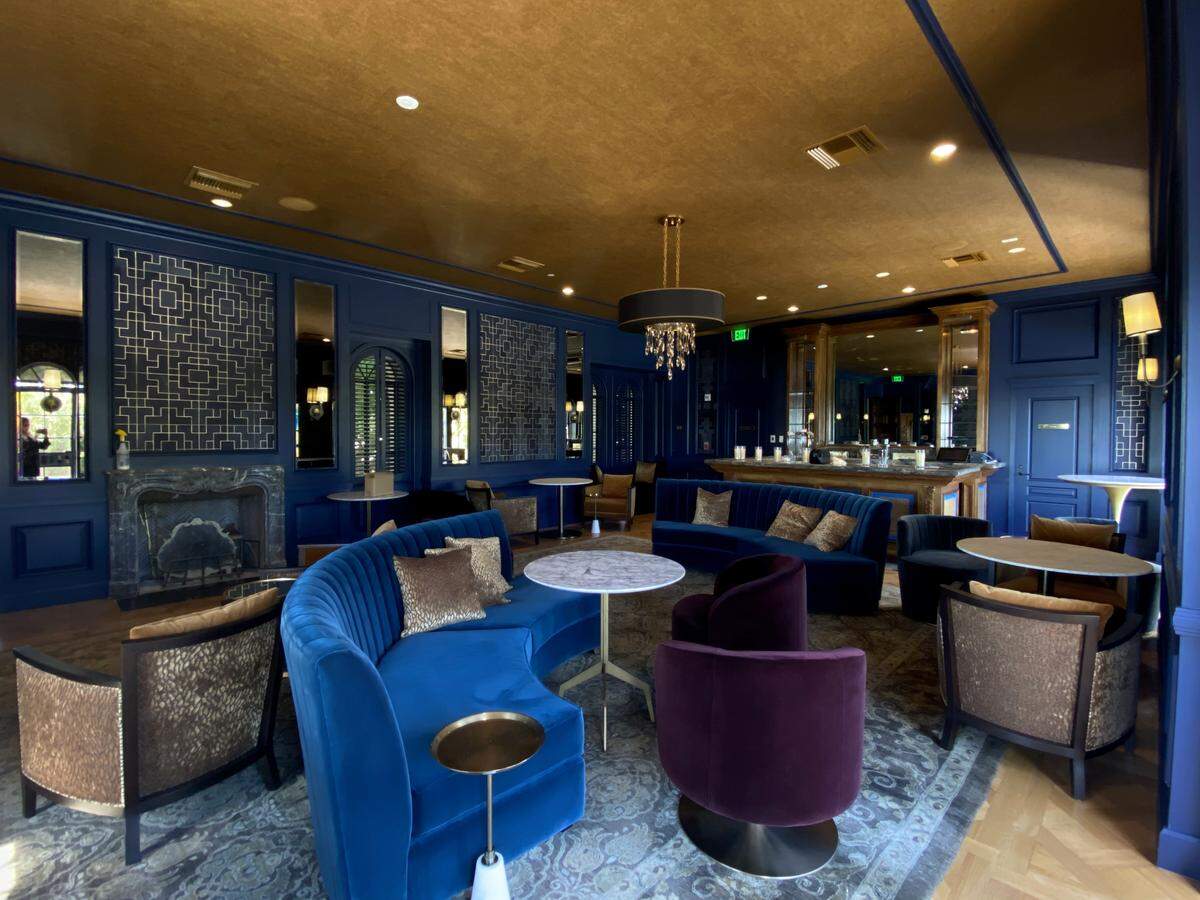
Amenities were at the heart of a $4 million upgrade in 2019, according to the island’s president and CEO, Bernard Lackner. Memberships in the Fisher Island Club cost about $250,000 and the average annual income was $2.5 million in 2015.
This story was originally published April 24, 2020 at 2:20 PM with the headline "A look at the Miami billionaire island making headlines during the coronavirus pandemic."