
The Ultimate Beginner’s Guide to Shade Gardening: Flowers and Vegetables That Thrive Without Full Sun
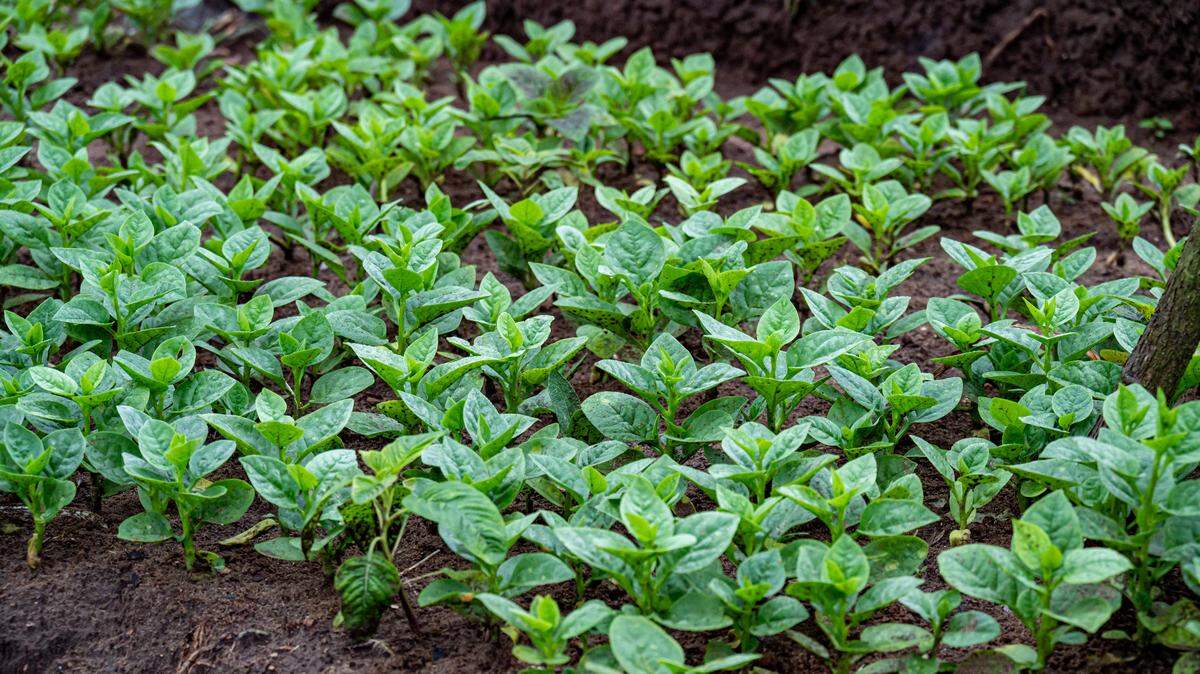
Not every garden is blessed with all-day sunshine. Maybe your yard sits beneath a canopy of mature trees, or your plot faces north and catches only a few hours of direct light. The good news? Plenty of flowers and vegetables not only tolerate shade — they actually prefer it.
Whether you are planting your first garden or looking to make better use of a dim corner of the yard, these beginner-friendly picks can thrive with less sunlight than you might expect.
Leafy Greens: The Best Overall Performers in Shade
If there is one category of vegetables practically built for shady conditions, it is leafy greens. These crops naturally favor cooler temperatures, and reduced sunlight helps keep the soil and air around them from heating up too quickly.
Spinach stands out as one of the top shade-friendly choices. According to Better Homes & Gardens, spinach is a cool-season crop that can be grown for spring or fall harvest. “The spring crop will likely last longer in a partly shaded garden because it will be slower to bolt. Part shade is even more helpful for the fall crop since it’s sown in late summer when temperatures are high—shade keeps the soil cooler, which helps germination and early growth.”
That tendency to bolt — when a plant sends up a flower stalk and stops producing tasty leaves — is one of the biggest frustrations for spinach growers. Shade can help delay that process, giving you a longer harvest window.
Lettuce is another strong performer, growing well in partial shade and benefiting from the cooler temperatures that come with it. Kale is very hardy and tolerant of low light, making it a reliable option for shadier plots. Arugula is fast-growing and does well in shade, perfect for gardeners who want quick results. And Swiss chard remains productive even with limited sun, delivering colorful stems and large leaves throughout the season.
Brassicas: Cool-Weather Crops That Welcome Shade
The brassica family — which includes some of the most nutritious vegetables you can grow — tends to prefer less intense sun.
Broccoli tolerates partial shade, and shade can actually improve the quality of the heads it produces. Cauliflower benefits from cooler, shaded conditions, which help it develop properly without stress. Cabbage grows well in partial shade with steady moisture, making it a dependable addition to a shaded garden bed.
For beginners, brassicas pair nicely with leafy greens in a shaded garden plan because they share similar preferences for cool soil and moderate light.
Flowers That Thrive in Shade
A shady garden does not have to be a flowerless one. Several popular blooming and foliage plants are perfectly suited to low-light spots, bringing color and texture to areas where sun-loving annuals would struggle.
Impatiens rank among the most popular shade flowers for good reason. Garden Design describes them as “a top choice for shade beds,” noting that “impatiens bloom nonstop from late spring to frost in a variety of colors. They thrive in rich, well-drained soil and require minimal care, making them perfect for filling shady spaces.”
Their continuous bloom cycle and low-maintenance nature make impatiens an ideal starting point for anyone new to shade gardening.
Primrose is another standout for shaded spaces. Garden Design writes, “A classic spring bloomer with cheerful flowers in a rainbow of colors, primrose thrives in partial sun to deep shade. Prefers cooler climates and rich, moist soil. Lovely in woodland gardens, borders, or containers.”
Coleus is grown for its colorful foliage rather than its flowers, offering dramatic leaf patterns in shades of red, green, purple and gold. Hostas are excellent for full shade and are prized as foliage plants, with varieties ranging from miniature to enormous. Ferns thrive in deep shade and moist environments, adding a lush, woodland feel to any garden corner. Astilbe produces feathery blooms in partial shade, contributing soft texture and color where other flowering plants might falter.
Putting It All Together
The common thread among all of these plants — vegetables and flowers alike — is that they do not need a full day of blazing sun to perform well. For gardeners working with partially shaded or fully shaded spaces, this opens up real possibilities.
A productive shade garden might combine a bed of spinach, lettuce and kale for the kitchen with a border of impatiens and hostas for curb appeal. The key is matching plants to the conditions you already have rather than fighting against them.
Shade is not a limitation. With the right picks, it is an advantage.
This article was created by content specialists using various tools, including AI.