
Foolproof Flower Gardening: A Beginner’s Guide to Easy Blooms
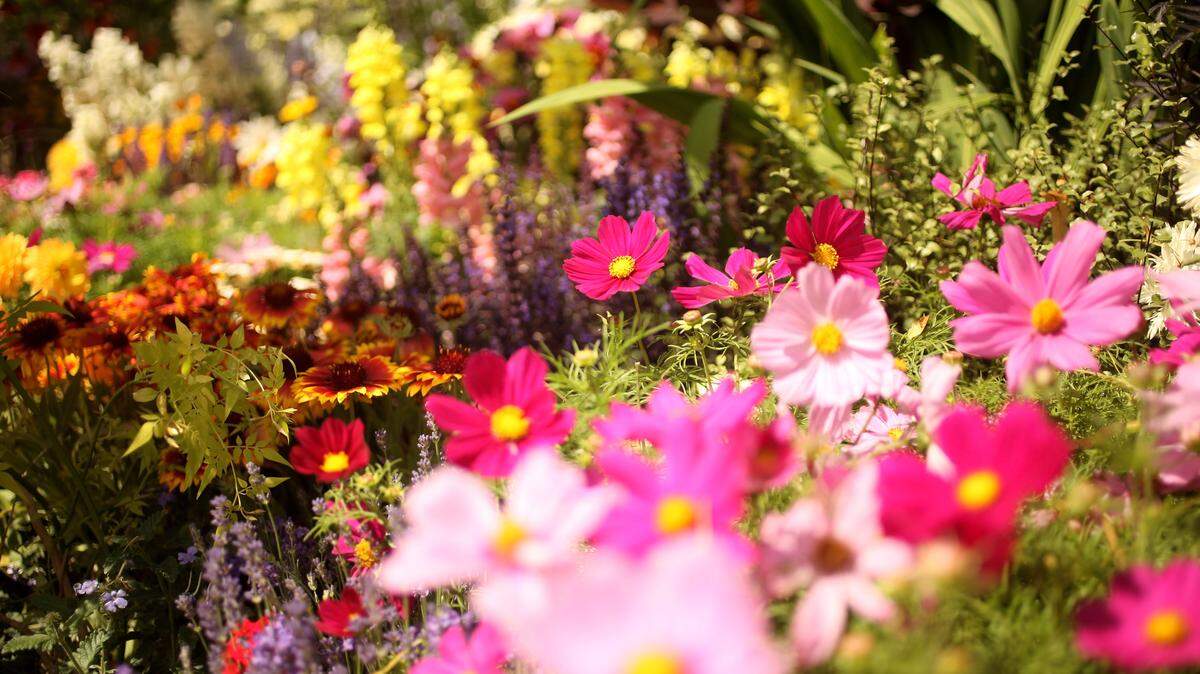
Growing flowers doesn’t require a green thumb or years of experience. With the right plants and a little know-how about timing, even a first-time gardener can fill a yard, patio or windowsill with vibrant color. The secret is starting with flowers that are naturally forgiving — the kind that still thrive even when you forget to water or aren’t quite sure what you’re doing.
Here are six beginner-friendly flowers to consider, along with essential planting advice to help you get started.
Know When to Plant
Before you pick up a single seed packet, it helps to understand planting timing. Different types of flowers go in the ground at different times of year, and getting this right can make the difference between blooms and disappointment.
According to Crop Care:
- “Perennial: Perennial seeds usually need a bit of colder weather to help them grow. Depending on the type of perennial flower you are planting, you can expect to plant these flowers indoors six to 10 weeks before the last frost, and outdoors either on the last spring frost date or one to two weeks after.
- Annuals: Annuals tend to be quick growers, so you’ll usually plant these seeds indoors anywhere from three to eight weeks before the last frost, and outdoors on the day of the last frost.
- Spring bulbs: Spring bulbs bloom into flowers like daffodils and tulips that last only from early spring to early summer. These flowers should be planted in the fall, a few weeks before the first frost in order to bloom the following spring.
- Summer bulbs: Summer bulbs bloom in early summer and last until early fall. These flowers, like dahlias and cannas, should be planted in the spring a few weeks after the last frost.”
With that timing in mind, here are six flowers that make the growing part easy.
Marigolds
These blooms are extremely hardy and adaptable to different conditions. They naturally repel pests, which makes them a smart companion plant for vegetable gardens. They bloom consistently with very little effort and tolerate heat, sun and occasional neglect.
Average, well-drained soil works fine, and deadheading spent blooms helps encourage new growth, but isn’t required.
Zinnias
Zinnias are one of the easiest flowers to grow from seed directly in the ground, making them ideal if you don’t want to deal with indoor starting or complicated setups. They grow quickly from seed, often blooming in just weeks, and produce tons of bright, long-lasting flowers.
They’re very forgiving of mistakes. They also attract butterflies and pollinators, adding life and movement to your garden space.
Sunflowers
Sunflowers are hard to beat when it comes to sheer visual impact. According to HGTV: “Sunflowers are sun worshipers that grow best in spots that get six to eight hours of direct sun per day. They have long tap roots that need to go several feet into the ground, so sunflower plants prefer loose, well-drained, somewhat alkaline soil with a pH of 6.0 to 7.5. Sunflowers are heavy feeders, so they’ll be healthiest and generate the most blooms in nutrient-rich soil that has had compost or other organic matter mixed into it.”
Petunias
Petunias are another reliable choice for new gardeners. They bloom continuously through spring and summer and are very forgiving if you miss a watering. They work well in containers or garden beds, making them a versatile option no matter your living situation.
For care, petunias need full sun and regular watering, but they’re not overly sensitive about either.
Nasturtiums
Nasturtiums stand out because they actually thrive in poor soil — less soil preparation means less work for you. They’re fast-growing and easy to start from seed. As a bonus, nasturtium flowers are edible, giving beginners an extra reason to grow them.
These plants need moderate watering and full sun to partial shade. One important note: skip the fertilizer entirely. Too much actually reduces blooms rather than encouraging them.
Globe Amaranth
Globe amaranth is worth considering if you garden in a hot, dry climate. This flower is extremely drought-tolerant once established and produces long-lasting blooms that are even good for drying. It handles heat better than many flowers.
Give globe amaranth full sun, minimal watering once established and well-drained soil. That’s about all it asks for.
Pick Your Blooms and Get Growing
Each of these six flowers offers a low-maintenance entry point into gardening. Whether you want the towering drama of sunflowers, the pest-repelling reliability of marigolds or the direct-sow simplicity of zinnias, there’s a match for your space and confidence level.
Pick one or two varieties, pay attention to your planting window and let nature do most of the work.
This article was created by content specialists using various tools, including AI.