
Level Up Your Homestead With a Greenhouse: A Beginner’s Guide
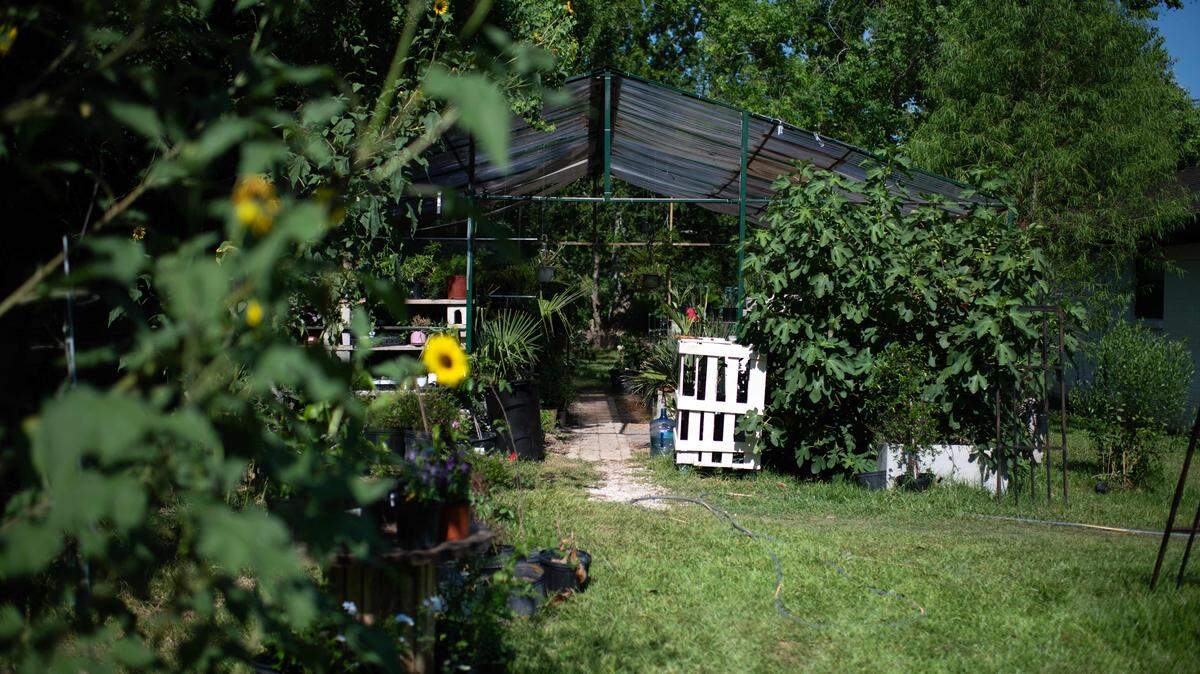
You’ve been growing in raised beds and containers, and your tomatoes have been looking great — until blight rolls in and wrecks everything. If that scenario sounds familiar, a greenhouse might be your next logical move. Whether you’re working a rural property or a suburban lot, a greenhouse gives you a controlled growing environment that can extend your seasons, protect your crops and seriously level up your food independence.
Here’s what you need to know before you start building.
How a Greenhouse Actually Works
At its core, a greenhouse traps heat from sunlight and creates a controlled environment where you can manage temperature, humidity and growing conditions. Sunlight enters through the walls and roof, warming the air and soil inside. That trapped heat — combined with the ability to regulate humidity — means you’re no longer at the mercy of unpredictable weather.
Compared to traditional outdoor gardening, a greenhouse gives you a buffer against the elements. You control the climate. You decide when the growing season starts and ends. And crucially, you put a physical barrier between your crops and the pests and diseases that can devastate an outdoor harvest.
The Real Reason You Want One: Crop Protection
If you’ve ever lost a beautiful crop of tomatoes to blight, this is for you. One of the biggest advantages of greenhouse growing is shielding your plants from pests and disease.
As Eartheasy explains: “Plants requiring protection from pests and disease: Even if a heat-loving plant can grow in your climate, it may still suffer from damage. Greenhouses provide protection from scourges like tomato blight, which ravages otherwise beautiful crops in areas with cool, rainy weather.”
That kind of reliability is a game-changer when you’re trying to grow food you actually depend on. A greenhouse doesn’t just help your plants grow — it helps them survive.
What to Grow Inside
So what should you actually plant? A greenhouse opens up options across multiple seasons and plant categories.
For winter growing, Eartheasy recommends cold-hardy greens: “Lettuce, kale, chard, tat soi, pac choi and more: start these cold hardy greens in late summer to enjoy all winter long. You can add shade cloth where necessary.”
And don’t overlook overwintering your tender perennials: “Tender plants like geraniums, dahlias, gladiolas and, yes, peppers will hold over the winter in many locations, providing the conditions are right. When resurrected in the spring, you’ll have an extra month or more of harvesting and enjoyment.”
Imagine harvesting fresh greens in January and bringing your pepper plants back to life each spring with a head start on the season. That’s the kind of self-sufficiency a greenhouse makes possible.
Choosing the Right Type for Your Setup
Not every greenhouse is a big glass structure. There are several styles that work for different budgets, spaces and DIY skill levels.
According to Home Depot’s greenhouse buying guide: “Walk-in greenhouses are the structures that most often come to mind when we think of a greenhouse. Many come with features like doors to control access, and vents that control temperature and humidity. Mini greenhouses are smaller, compact options that are suitable for small spaces and smaller projects, like starting seeds. Hoop houses are tunnel-shaped walk-on greenhouses. They’re often made with galvanized steel frames. Lean-to greenhouses are small structures that are built against a structure like a house or shed.”
For homesteaders taking an incremental, DIY approach, hoop houses and mini greenhouses are great entry points. Hoop houses offer tunnel-shaped growing space with a relatively simple galvanized steel frame, while mini greenhouses let you start seeds without a huge investment. A lean-to greenhouse that attaches to your house or shed is another space-saving option.
When it comes to materials, you’ll be choosing between polycarbonate, glass and plastic film — each with its own trade-offs depending on your budget and climate.
Picking the Perfect Spot
Where you place your greenhouse matters just as much as what type you choose. Your site needs 6–8 hours of sunlight daily, protection from strong winds, proper drainage and level ground.
Eartheasy explains: “Location is key when installing a greenhouse. Proximity to tree roots and water, along with the amount of sunshine, will affect your greenhouse’s ability to produce for years to come. In northern latitudes, greenhouses are usually oriented east to west, with a clear exposure on the south side (that means no shade). This helps maximize the amount of sunlight received, as well as the heat gained.”
Take time to observe your property before committing to a spot. Track where sunlight falls throughout the day, note where wind picks up and confirm that water drains away from the area.
Is a Greenhouse Right for You?
A greenhouse is ideal for gardeners, hobbyists and food growers who want more control over their growing environment. But it does require an honest assessment of your space, budget and time commitment. Maintaining a greenhouse takes regular attention — monitoring temperature, managing ventilation and staying on top of watering.
That said, if you’ve already been gardening in containers or raised beds, a greenhouse is a natural next step. Start small if you need to. A hoop house or mini greenhouse can teach you the fundamentals before you scale up.
Your food independence journey doesn’t have to happen overnight — but a greenhouse is one of the best tools to make it real.
This article was created by content specialists using various tools, including AI.