
Take a trip back in time at this little museum in an old Fort Lauderdale house
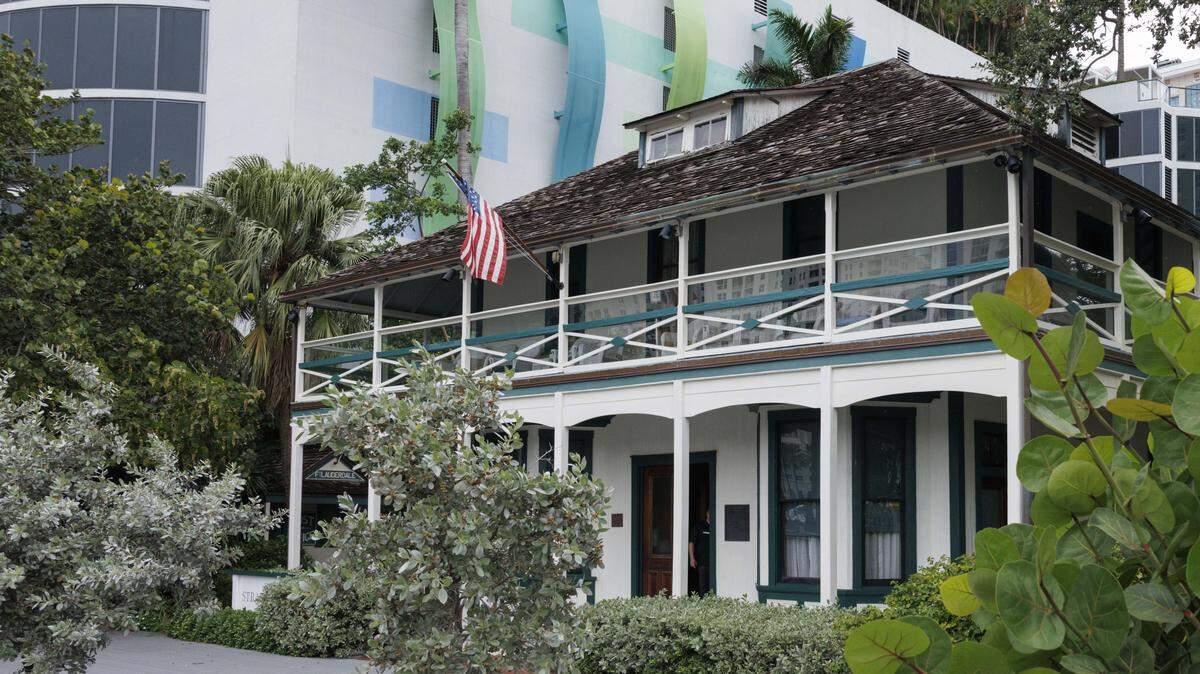
There’s a lot of history in the little wooden house on downtown Fort Lauderdale’s New River. The Historic Stranahan House Museum works to share that history with generations to come.
Built in 1901 by Fort Lauderdale’s founding family, the Stranahan House is the oldest surviving structure in Broward County. The nonprofit museum maintains the property and educates the public on Fort Lauderdale’s rich — and relatively young — history. The iconic green and white, two-story house welcomes over 30,000 tourists and locals a year, offering student field trips and tours around the property.
The inside of the entirely wooden house captures what life was like in early Fort Lauderdale over 100 years ago.
“It’s a living museum that explains the history of Fort Lauderdale and the Stranahan family,” said Jennifer Belt, the museum executive director. “The reason the Stranahan family is important to remember in our history is because we can consider them to be the founders of Fort Lauderdale. Anybody that loves Fort Lauderdale or is interested in South Florida history definitely would want to come visit us and learn some more.”
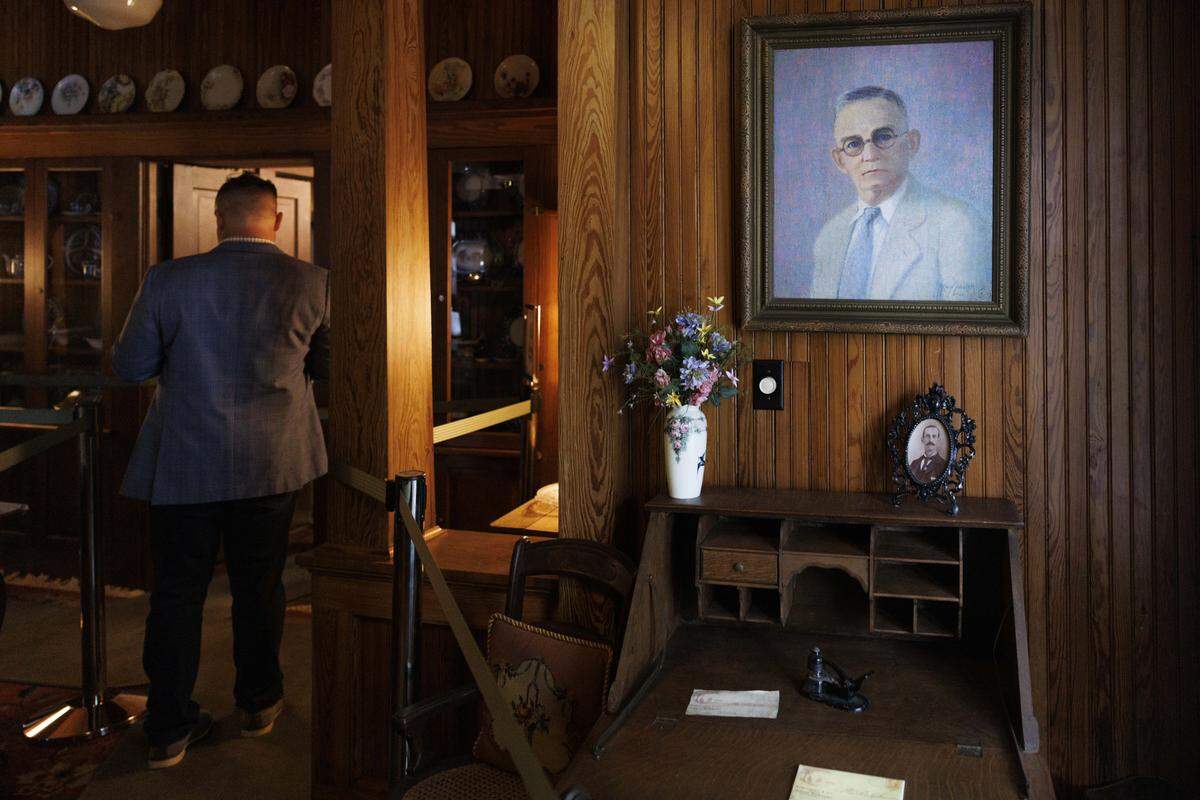
Married couple Frank and Ivy Stranahan saw a lot of potential in the humble swamp land they called home before it officially became known as the bustling city of Fort Lauderdale.
Originally from Ohio, Frank came to what is now Fort Lauderdale in 1893 and founded a thriving trading business with the Seminoles and eventually worked as the area’s postmaster. As the New River settlement grew in size, 18-year-old Ivy Julia Cromartie arrived from Lemon City to become the area’s first school teacher.
In 1901, the year after the couple got married, Frank built the two-story house right along the New River with a trading post on the first floor and a community hall on the second. Seminoles were able to row their canoes on the river right up to the building to conduct business with Frank. The couple later turned the building into their family home.
One of Belt’s favorite fun facts she likes to tell visitors is that the Stranahans were gifted the .4 acres of land the house sits on for free. But the Stranahans, who owned 10 acres of land in total, were equally generous with their land. Over the years, the couple gave parcels of the land away for churches, schools and hospitals for the community to grow. Ivy, who died in 1971, donated land for Stranahan High School to be built.
.jpg "1915 (courtesy of FLHS).jpg")
“We can assume how much this land would go for these days when it was just given to them for free because in the late 1800s it was just swampland that nobody wanted,” Belt said.
Downtown Fort Lauderdale’s location further inland is because of the Stranahan’s willingness to create community. While the Stranahans were very philanthropic with their land, Belt said, the Brickells, another pioneering South Florida family, owned all the land near the beach and kept it private.
“Frank and Ivy were the opposite. They opened up their land, they built the community center,” Belt said. “They said, ‘Everybody come over here.’”
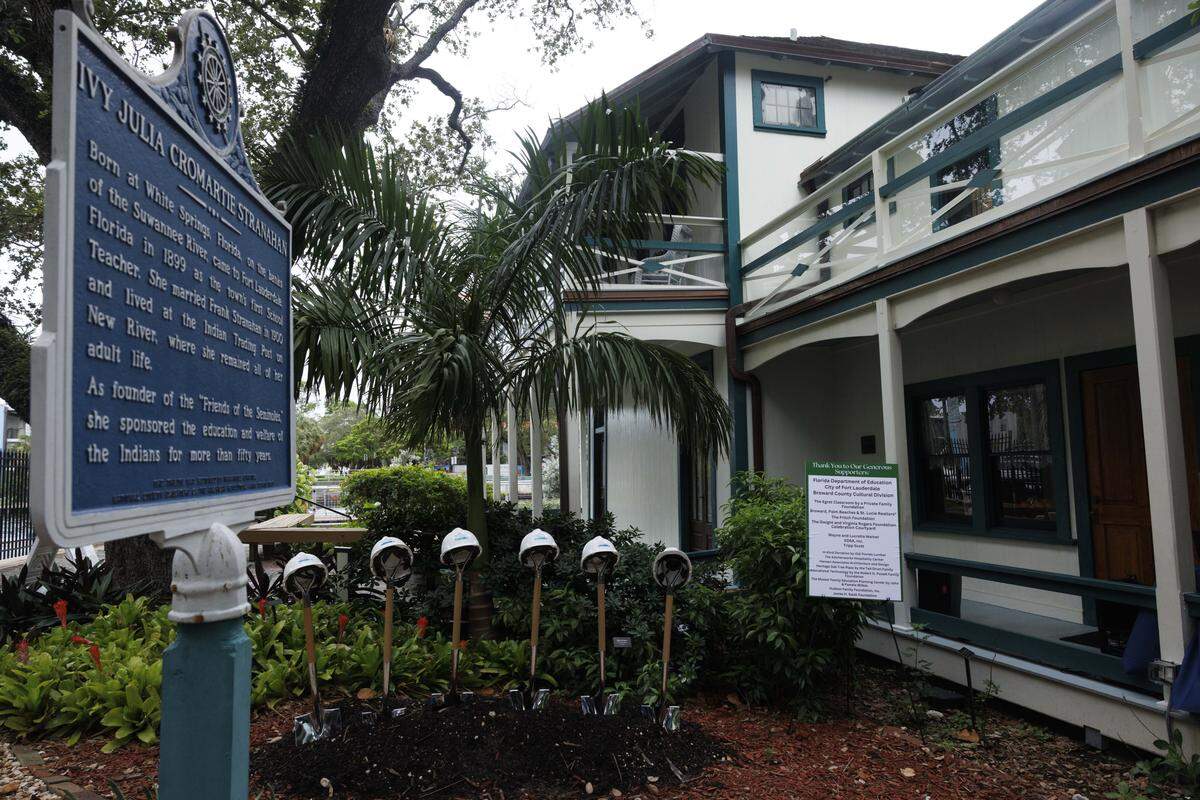
John Della-Cerra, the museum’s longtime groundskeeper, recalled Ivy’s dedication to education. He watched her tell students, “If you’re not serious about education, you’ll be left along the side of the road, and you can never ever catch up.”
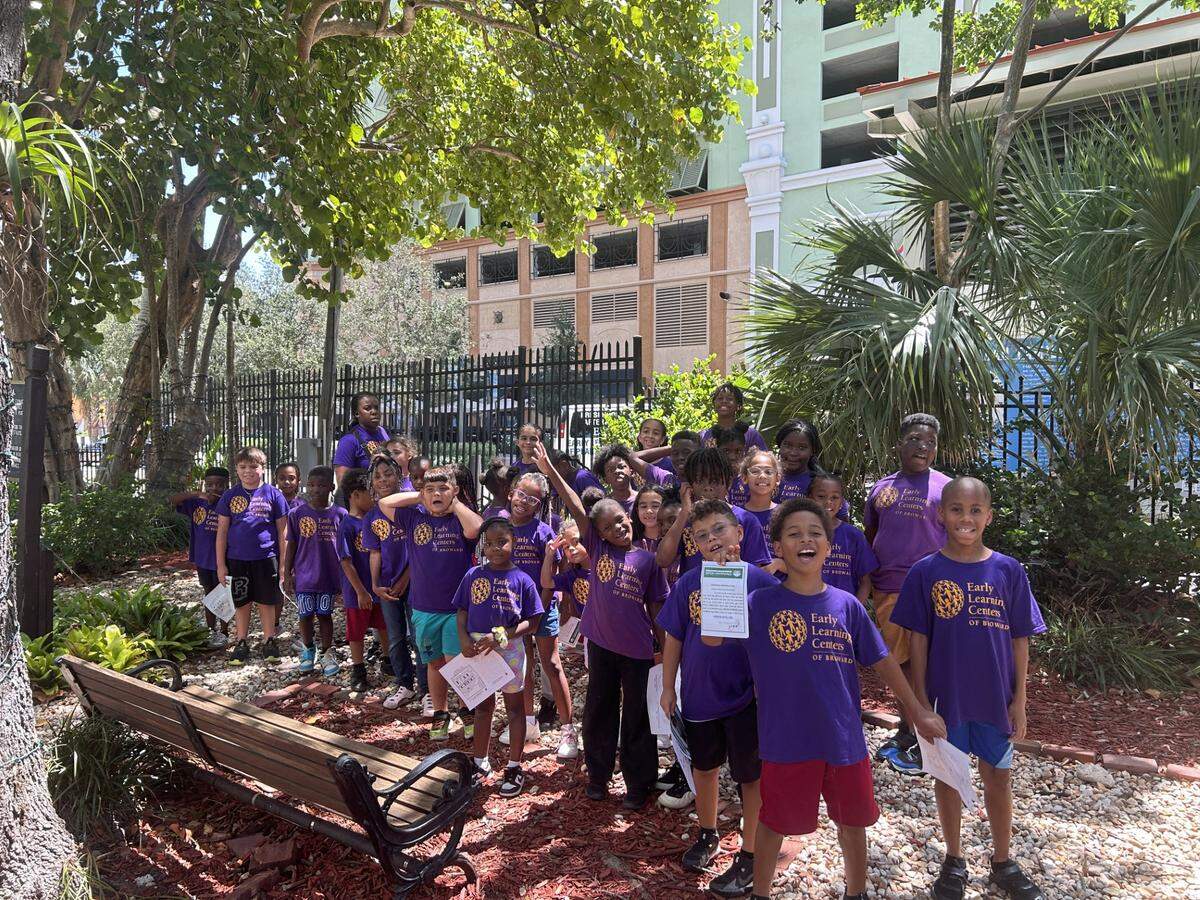
Ivy would likely approve of the museum’s programming for children. Field trips are the museum’s “bread and butter,” Belt said. Elementary school students are brought to the Stranahan House to learn about pioneer life, ring the old ferry bell, make butter, play with pioneer-style toys and go on scavenger hunts.
The museum plans to welcome even more children onto the property in the future as it begins its capital improvement project this month. While the original house will remain untouched, the campus will get several upgrades, including the Egret Classroom, an indoor educational center. The museum will also build a new welcome center, gift shop and open-air event pavilion with a permanent roof structure for shade. The existing administration building will be extended to accomodate for the education center, archival storage, ADA-compliant bathrooms and a catering kitchen for events like weddings.
The Stranahan House is one of the few historic sites in the county, which is considered to be young compared to other parts of the country.
“At one point, I lived in Chicago where on every street corner, you could turn around and find history. I visited Europe, that’s hundreds and hundreds of years of very interesting history,” Belt said. “But that shouldn’t ever belittle the fact that South Florida does have a history. It’s shorter, but it’s still just as important for all of us to know where we came from.”
But taking care of Broward’s oldest house is not easy. Belt said much of the museum’s donations go toward maintaining the 124-year-old wooden building that sits right next to a river in a very humid city. But the hard work pays off. Guests often say they feel like they’re “stepping back in time,” she said.
“Just keeping the property in its pristine condition often times requires a lot of money,” Belt said. “So if people are donating generally to the Stranahan House, a lot of times that money is going into ensuring that the property stays beautiful at all times.”
You can donate to the Historic Stranahan House Museum online at stranahanhouse.org/donate.
Editor’s note: This story is part of the Miami Herald Giving Section that highlights local nonprofit organizations in the community.
This story was originally published October 10, 2025 at 4:30 AM.