The clinical home ecosystem is reshaping wellness routines with cold plunges and vagus nerve wearables
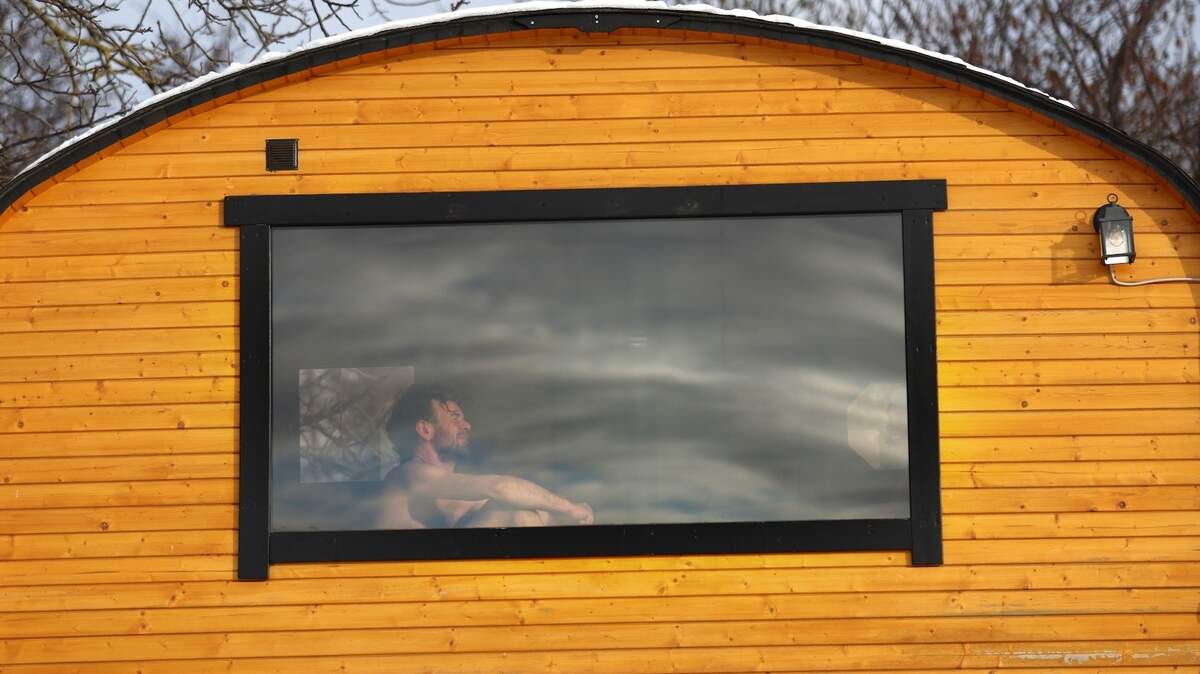
Wellness routines that used to require a spa appointment now run on a smart plug in the garage. The clinical home ecosystem, a category built around app-connected cold plunges, red light beds and neurostimulation devices, is turning ordinary homes into recovery labs that mimic professional clinics. And in October 2025, the trend hit a new peak.
How the Clinical Home Ecosystem Works
Instead of buying single-use gadgets like an LED mask or a massage gun, buyers are now assembling a full home recovery lab. That means combining several categories at once. Cold exposure hardware for inflammation and sleep. Photobiomodulation panels for skin, pain and performance. And neurostimulation wearables for stress, focus and mood. Apps sit on top of the whole stack, delivering protocols, reminders and streaks that turn recovery into a trackable daily habit rather than an occasional session.
Smart Cold Plunge Tubs Lead the Charge
The category leader is the smart cold plunge tub. In October 2025, the Kohler x Remedy Place ice bath landed on Time’s Best Inventions 2025 list, pairing precise temperature control with ergonomic seating and guided breathwork lighting.
That same month, The Plunge All-In Gen 2 arrived with faster cooling, upgraded filtration and app-based session tracking, according to Grand View Research. Plunge also leads on connected features. Compact barrels from Ice Barrel and retrofit chillers from HomePlunge, which uses a Tuya-powered app to convert existing bathtubs, have lowered the entry barrier further. The global spa industry hit roughly $157 billion in 2025, per Grand View Research, and cold therapy is one of its fastest-growing pillars.
At-Home Red Light Therapy and Photobiomodulation at Home
The next pillar is at-home red light therapy. Photobiomodulation at home uses focused light to stimulate mitochondria, a process that Chattanooga Rehab says triggers cellular repair and reduces pain. Solbasium, whose beds are used by 12 NFL teams, is launching a $15,000 Nova bed that plugs into a standard outlet, well below the $60,000-plus price tags of older clinical units. Mass-market brands are pushing in too. L’Oréal’s flexible LED mask uses 633 nm red and 830 nm near-infrared wavelengths, and premium panels like the Aura Sweden QuantumLumina offer programmable protocols.
The Rise of the At-Home Neurostimulation Device
The most clinical-feeling layer is the at-home neurostimulation device. Cleveland Clinic describes vagus nerve stimulation as a “pacemaker for the brain,” using mild electrical pulses to change how brain cells work. Flow Neuroscience’s FL-100, an FDA-approved cranial electrotherapy stimulator, treats moderate to severe depression at home by prescription. Consumer-facing devices from Apollo Neuro, Pulsetto and Truvaga target sleep, mood and stress, while venture-backed Mave Health is building a neuromodulation headset for focus.
Who Is Buying and Why It Matters Now
Early adopters skew Gen Z and Millennial biohackers, plus high-net-worth Gen X and Boomer buyers assembling full home labs. Behavior is shifting from one-off sessions to “stacking,” where cold plunge, red light and neurostimulation get orchestrated into daily protocols. But 2025 buyers are also more skeptical, seeking transparent science over TikTok hype. That tension, between clinical claims and consumer enthusiasm, is what will shape the ecosystem’s next chapter.
This article was created by content specialists using various tools, including AI.