
Summer Events Are Getting Hotter. Here’s How Heat Safety Is Changing the Concert Experience.
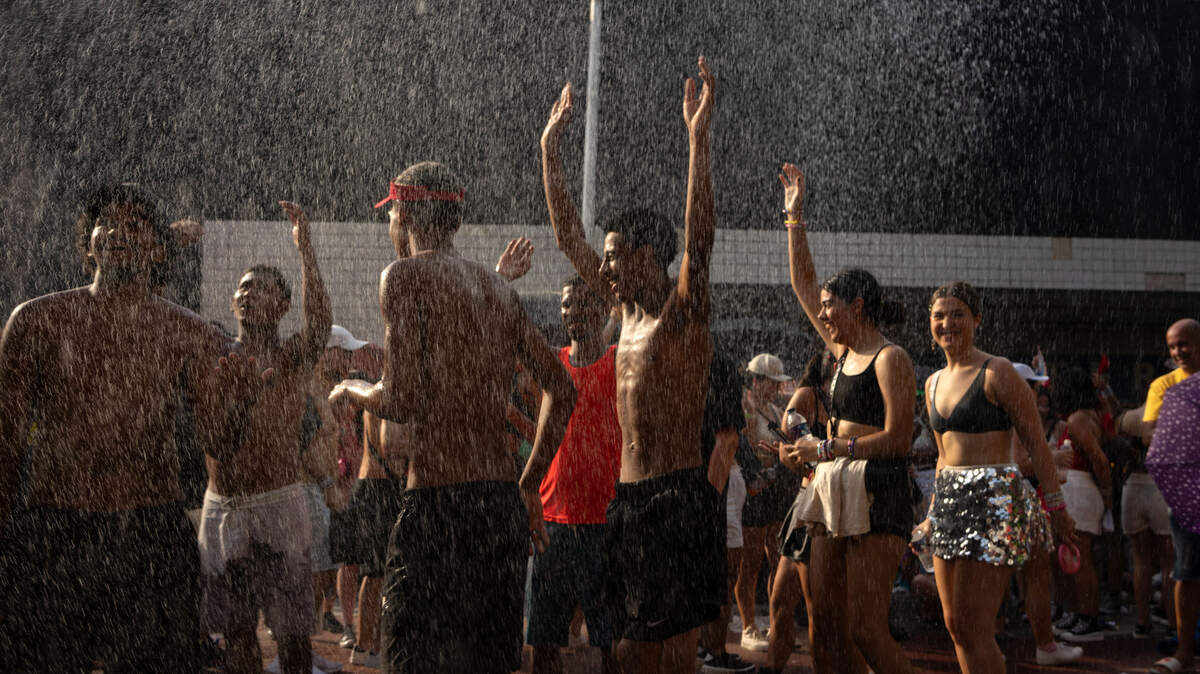
With a record-shattering heat dome scorching much of the U.S. and Europe, staying cool at outdoor events has become a real safety concern for concertgoers, festival fans and ballpark regulars. Here are the heat tips worth knowing before you head into 105-degree weather.
Why is staying cool at outdoor events getting harder this summer
The continental U.S. just logged its most abnormally hot March in 132 years of records, according to the Associated Press. More than 180 million people across the eastern U.S. are facing Level 3 “major” or Level 4 “extreme” heat risk, according to the National Weather Service, and Europe is baking under a heat dome that has pushed highs near 104 degrees since mid-June.
Emergency room visits for heat-related illness surge on major and extreme risk days.
“Heat waves like this are so directly connected to the climate crisis and climate change and it’s because of how we’ve been burning fossil fuels and cutting down forests for so long and increasing the concentration of heat-trapping gasses in the atmosphere,” Jennifer Francis, a climate scientist at Woodwell Climate Research Center, told the Associated Press.
What should you do before leaving for a concert or festival
Prepare before you leave home, not after you arrive at the venue. Once you are stuck in a security line, a packed parking lot or a dense crowd, fixing dehydration or overheating becomes much harder.
Check the hourly forecast for the venue instead of just the daily high, and pay attention to the heat index and humidity. Eat a real meal, drink water early and apply sunscreen before getting in line. Also check the venue’s bag policy so you know whether sealed water bottles, empty reusable bottles, sunscreen and cooling towels are allowed through security.
“So if this is your first time experiencing some of this sort of heat, you really have to kind of go in and plan your day to not be out in the heat of it, because once you’re out and once you’re warm, you’re not going to be able to cool as efficiently, especially if you don’t have a place that has cooled air or that sort of place to come back to,” Dr. Erik Nielsen of Texas A&M University told Campus Insights Media.
Do floor tickets or reserved seats make a difference in extreme heat
Yes, and it matters more than you might think. Floor and pit tickets run hotter than reserved bowl seats because the crowd is denser and airflow is more limited. If heat is a real concern, reserved seats, shaded sections or club-level access will be far more comfortable than standing in general admission for hours.
When picking seats for a summer concert, ballgame or World Cup match, look for sections with overhead cover or afternoon shade, and check what time your section falls into shadow relative to when the event begins. That decision, made at the point of ticket purchase, can be the difference between enjoying the show and leaving early.
What should you pack to stay cool at a summer concert
Pack for the heat, not just the show. Bring non-aerosol sunscreen, sunglasses, a brimmed hat and SPF lip balm. Add electrolyte packets, a cooling towel and either an empty reusable water bottle or a sealed one if the venue allows it through the gate.
A small towel or bandana is useful for wiping sweat, draping over your neck or soaking in cold water to cool down. Wear comfortable shoes and light, breathable clothing rather than anything heavy or dark that absorbs heat. If you take prescription medication, keep it in its approved packaging so it clears security without issue.
Confirm the venue’s bag size limits ahead of time. Many stadiums and festival grounds enforce clear-bag policies or size caps that will force you to ditch supplies at the entrance.
What should you eat and drink to stay hydrated in the heat
Drink water early and often, and lean on cool, hydrating foods like cucumber, tomatoes, melon and frozen smoothies. Dietitian Kate Hilton told the BBC that iced water and hydrating foods are the foundation. Berries, peaches and citrus also help. For fussy kids, freeze fruit juice or smoothies into ice pops.
Caffeine and alcohol both have dehydrating effects, so drink alcohol in moderation and alternate every drink with water or another non-alcoholic option.
“Water is generally the best thing to drink, but remember that all fluids, other than alcohol, are considered hydrating, so if you prefer sugar-free squash or other flavourings, this does still count towards hydration,” Hilton told the BBC.
What are the warning signs of heat exhaustion at a crowded event
Heat exhaustion often starts quietly, before fans realize they are in trouble. Watch for heavy sweating, dizziness or weakness. Other warning signs include headache, nausea and muscle cramps, along with a fast pulse or feeling faint. It can happen at concerts, ballgames or festivals, or at any crowded outdoor event where shade and airflow are limited.
If you or someone near you shows signs, move to shade or air conditioning, loosen tight clothing, sip water and cool the body with wet towels or ice packs. Tell venue staff immediately if symptoms worsen or the person does not recover quickly after cooling down. Do not wait to see if it passes on its own.
What are the best indoor alternatives when it is too hot for outdoor events
Skip the event and stay inside if the risk is too high. Watch the game or concert at a local bar or restaurant with air conditioning, where you get the atmosphere without the sun exposure. Museums are cool, interesting and often free or low-cost. Local libraries are air-conditioned and underrated.
Public pools, indoor aquatic centers and splash pads work for families with kids who need to burn energy. Some concerts, festivals and matches also stream live, so you can watch from home in front of a fan. There is no shame in switching plans. Heat-related illness sends people to the ER on major and extreme risk days, and no ticket is worth that.
This article was created by content specialists using various tools, including AI.
.jpeg)