Is bottled water safe to drink when traveling abroad? Here’s why one scientist inspects every sealed cap
A bad case of traveler’s diarrhea can wipe out the best part of a vacation, and more often than not it traces back to a single glass of water, a brushed tooth or an innocent-looking ice cube.
Contaminated water is one of the biggest health risks travelers face abroad, but it’s also one of the most preventable. The hard part is that you usually can’t see the danger.
The contamination of water tends to start with infrastructure. In many destinations, treatment and sanitation systems can’t filter out everything, so tap water may carry bacteria, viruses, parasites and chemical contaminants with no change in how it looks, smells or tastes.
University Hospitals advises travelers to assume that all water in developing countries is unsafe, since even a luxury hotel can share the same water and sewage system as the poorest neighborhood nearby.
Locals often build up some tolerance to these water contaminants, but visitors haven’t, so a glass a resident drinks safely can leave a traveler sick for days. And the risk isn’t only from drinking. According to the CDC, you can also get sick from water used for cooking, washing food, making ice or brushing your teeth.
FAQ about contaminated water when traveling
From treating questionable tap water to knowing when a sealed bottle is actually safe to open, these are the contaminated water questions travelers run into most. Use the answers below to plan ahead, pack smart and recognize the warning signs that mean it’s time to rest, rehydrate or call a doctor.
Can water make you sick even if it looks clean?
Yes. Contaminated water can look perfectly clear and still carry bacteria, viruses and parasites. You can’t judge safety by sight, smell or taste, so in places with questionable water quality it’s safest to treat all tap water as unsafe.
How do you treat or purify contaminated water when traveling?
The CDC recommends four methods. Boiling is the most reliable, killing viruses, bacteria and parasites after one full minute at a rolling boil. If you can’t boil, disinfect filtered water with unscented household bleach or iodine, use a filter certified to NSF Standard 53 or 58, or treat clear water with UV light.
What is the best water purifier for traveling abroad?
The best water purifier for traveling abroad is often a reverse osmosis filter, which removes bacteria, viruses and even salt. Most standard portable filters only catch parasites, so check that any filter is certified to NSF Standard 53 or 58 with a small enough pore size.
Is bottled water safe to drink abroad?
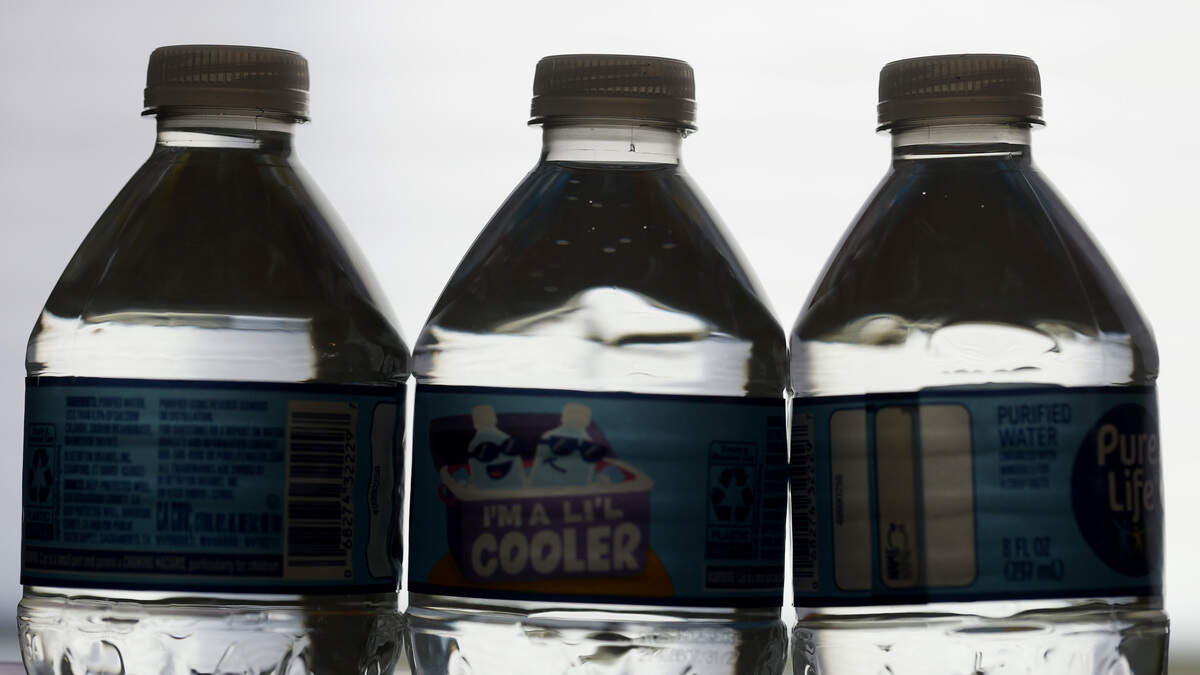
Factory-sealed bottled water is the safest choice for most travelers. The catch is that used bottles are sometimes refilled and resealed with glue or wax. “I inspect each cap carefully,” Shanina Knighton, who teaches at Case Western Reserve University’s nursing school, told Forbes. “If the seal looks suspicious, I do not drink it.” Always break the seal yourself and inspect every bottle carefully.
Can you brush your teeth with tap water abroad?
No, not where water quality is questionable. Brush with bottled or treated water and keep your mouth closed in the shower. Brushing with tap water is one of the easiest ways to swallow contaminated water without realizing it.
Is ice safe in drinks abroad?
Skip the ice unless you’re sure it was made with safe water. Freezing doesn’t kill pathogens and the alcohol in a drink won’t either, so ice made from tap water stays risky. Ask for beverages served without it.
What foods should you avoid to stay safe?
Avoid fresh salads, raw or unpeeled fruit and raw or undercooked meat, fish, shellfish and eggs. Skip unpasteurized milk, dairy and juices too. Stick to food that’s cooked and served steaming hot, peel fruit yourself, and enjoy tea or coffee made with freshly boiled water.
Is it safe to swim in contaminated water?
Any contact with contaminated water can make you sick, even without swallowing it. The CDC recommends avoiding storm drains, water that may carry sewage, lakes or rivers after heavy rain and warm seawater if you have open cuts. Don’t swim if you have diarrhea, since you can make others sick.
How long does traveler’s diarrhea last?
Traveler’s diarrhea usually lasts three to five days. It affects up to 70 percent of international travelers, according to the CDC, and tends to start suddenly with loose stools, cramps, nausea and a low-grade fever.
What should you do if you get sick from contaminated water?
Rehydrate first, using only sealed, boiled or purified fluids, and reach for oral rehydration salts if you’re losing a lot of fluid. Among the most useful travel safety tips: see a doctor if you have a fever above 101 degrees, blood or mucus in your stool or diarrhea lasting more than five days.
This article was created by content specialists using various tools, including AI.
This story was originally published June 16, 2026 at 1:45 PM.