1 in 5 Americans have nitrates in their tap water and the health risks are alarming
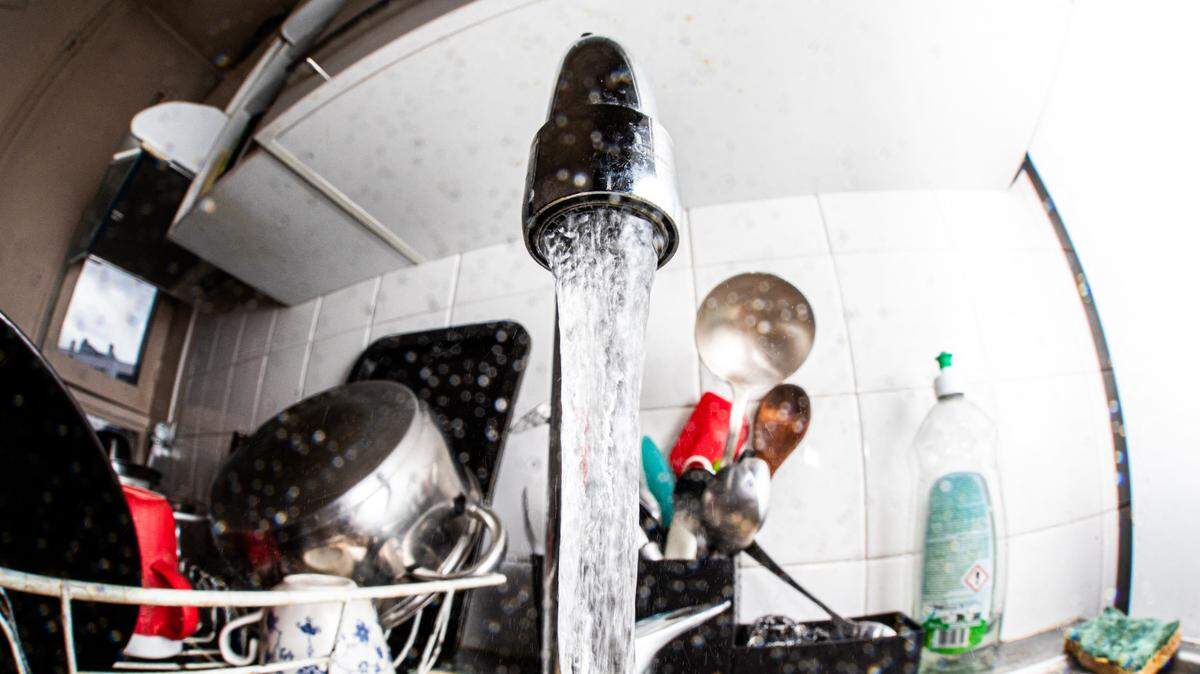
About 62 million Americans — roughly 1 in 5 — may be drinking tap water with potentially harmful nitrate levels, according to a new report from the Environmental Working Group (EWG).
The findings, drawn from nearly 50,000 public water systems sampled between 2021 and 2023, suggest that contamination once associated with rural farm country is now reaching cities hundreds of miles from the nearest field.
For families wondering whether their faucet is safe, the question of nitrates in water has become urgent.
What are nitrates in water — and where do they come from
Nitrates are a naturally occurring compound made of nitrogen and oxygen, found in air, water, soil and plants, according to the U.S. Environmental Protection Agency. They become dangerous when nitrogen-heavy fertilizers and livestock manure wash into groundwater, streams and rivers through rainfall and irrigation.
Agriculture isn’t the only culprit. “While fertilizer is one source, others include organic matter mineralization, septic systems, urban stormwater, and atmospheric nitrogen deposition from industrial and vehicle emissions,” Christopher Glen, VP of Public Affairs for The Fertilizer Institute, told CNN.
Because contamination can travel long distances, cities far from farms can still be affected when their water sources are fed by rivers that originate in agricultural areas.
Why high nitrates in water matter right now
The EWG report found that more than 6,000 community water systems tested at or above 3 mg/L of nitrates, affecting 62.1 million people.
More than 3,200 systems tested at or above 5 mg/L. Roughly 3 million people, served by 606 systems, were exposed to nitrates at or above the federal legal limit of 10 mg/L.
70 systems hit 20 mg/L or higher — double the legal limit — and 21 reached 30 mg/L or more. The highest reading in the country was 50 mg/L, from a small system near Dinuba, California, serving just 31 people.
Nearly all systems with extremely high contamination draw from local wells, and most serve communities under 1,000 people. Private wells, which aren’t regulated by the EPA, weren’t covered in the report at all.
The health risks behind the federal limit
Even at low concentrations, nitrates have been linked to thyroid disease, several cancers (gastric, kidney, bladder, colon, colorectal and ovarian), preterm births, birth defects and pediatric cancers, according to a 2018 review study published in the International Journal of Environmental Research and Public Health.
Peer-reviewed research has documented health effects at levels as low as 2 to 5 mg/L — well below the federal threshold.
That threshold has not budged in more than 60 years. The 10 mg/L standard was set in 1962 and officially adopted by the EPA in 1991. It has never been updated, despite decades of newer research pointing to harm at much lower levels.
How to remove nitrates from water at home
If your water tests high, two at-home filtration methods are effective at getting rid of nitrates from water: reverse osmosis systems and ion exchange filters.
A reverse osmosis water filter for nitrates pushes water through a semipermeable membrane that captures dissolved contaminants. Ion exchange swaps nitrate ions for harmless ones like chloride.
Standard carbon filters — including basic pitcher filters — do not remove nitrates. Boiling water doesn’t work either. In fact, boiling concentrates nitrates as water evaporates.
How to check your local water
Start with the EWG Tap Water Database, searchable by zip code, which covers nearly 50,000 public water systems and shows nitrate levels alongside other contaminants. Compare those numbers with your local water utility’s annual quality report.
Private well owners should be especially proactive. Because the EPA doesn’t regulate well water, regular independent testing is the only way to know your levels. A whole-house water filter system can help protect you and your family.
This article was created by content specialists using various tools, including AI.