The Best Foods to Eat on Ozempic, According to Doctors Who Prescribe It to Patients Daily
As more Americans turn to GLP-1 medications like Ozempic for weight management, doctors and dietitians are weighing in on which foods work best — and which to avoid — to maximize results and minimize side effects.
What Is the Best Diet to Follow While on Ozempic?
The best diet while on Ozempic focuses on lean protein, healthy fats, colorful vegetables and steady hydration, while limiting fried foods, alcohol and high-sugar items that can worsen side effects. Doctors recommend smaller, balanced meals to accommodate slower stomach emptying caused by the medication.
“Foods that are least likely to cause side effects are lower in fiber, protein and fat,” Dr. Lauren Donnangelo, a gastroenterologist and obesity medicine doctor at True You Weight Loss in Atlanta, told Healthline. “These types of foods do not cause any further slowing of stomach emptying and are easier to digest.”
Common side effects of Ozempic include nausea, constipation, vomiting, bloating, stomach pain, dizziness and fatigue — many of which can be managed through dietary choices.
What Foods Should You Avoid on Ozempic?
High-fat, fried and ultra-processed foods top the list of items to avoid while taking Ozempic, along with alcohol and sugary drinks that can spike blood sugar. These foods are most likely to trigger nausea, bloating and other gastrointestinal side effects.
“High-fat foods — like fried or greasy foods — and alcohol are the two most important groups to avoid,” Dr. Patricia Pinto-Garcia, a medical editor at GoodRx, said. “It’s also a good idea to avoid high glycemic index foods, ultra-processed foods, and high sugar foods and drinks because they can increase blood sugar.”
Starchy vegetables like potatoes, corn, parsnips and rutabaga also have a high glycemic load and should be eaten in moderation, according to GoodRx.
How Many Meals Should You Eat Per Day on Ozempic?
Experts say smaller, more frequent meals — three modest meals plus healthy snacks, or five to six small balanced meals throughout the day — work best for most patients on Ozempic. Large meals can cause discomfort because the medication slows stomach emptying.
UCHealth recommends consuming smaller meals because “your stomach empties into your intestine slower when you’re on a GLP-1” and “large meals can lead to discomfort and nausea.”
“Maybe five or six times a day, you’re eating something little, but you want it to be balanced,” dietitian Erin Cahoon said.
Dr. Christopher McGowan, an obesity medicine physician and founder of True You Weight Loss in Cary, North Carolina, told TODAY.com that nutrient density matters more than ever when eating less. “Understanding that overall portions are smaller on these medications, we want to optimize nutritional intake and consume the ‘best’ calories available. The focus should be on lean protein, healthy fruits and vegetables, adequate fiber and adequate fluid intake.”
How Much Protein Should You Eat on Ozempic?
Lean protein sources like poultry, fish, tofu, legumes, eggs and low-fat dairy are recommended by obesity medicine specialists.
“Protein is essential for muscle repair, satiety and metabolic function,” Dr. Lisa Young said, per The Portion Teller. “To prevent the loss of lean muscle that goes along with rapid weight loss, I encourage clients taking these medications to increase their protein intake. Aim for 20 to 30 grams of protein per meal to help protect lean muscle during weight loss.”
Alexandra Sowa, an obesity medicine physician and author of The Ozempic Revolution, told AARP that protein should anchor every meal. “At every meal, I want you to focus on getting protein first. Not for weight loss, but honestly, because you might not have as much of an appetite beyond that.”
Since appetite drops significantly on the medication, prioritizing protein first helps preserve muscle, supports energy and keeps you feeling full longer.
Which Healthy Fats Are Best on Ozempic?
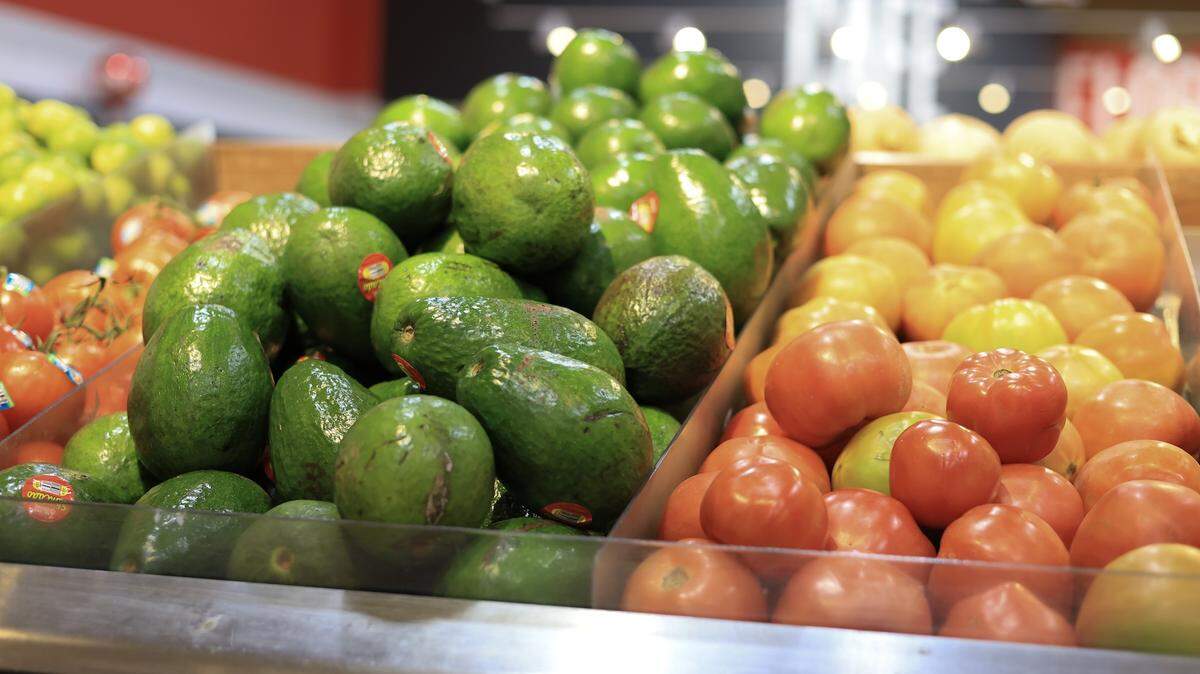
Mono- and polyunsaturated fats from foods like avocado, olive oil, nuts, seeds and fatty fish are the best fat sources while taking Ozempic. These healthy fats support hormonal balance, improve satiety and help control blood sugar responses.
“Fat is a vital macronutrient that plays a crucial role in hormonal balance and overall health. It helps control glycemic responses and aids weight loss by making meals more satiating,” according to the dietitian team at BistroMD. “However, the type of fat matters significantly. Healthy fats, including mono- and polyunsaturated fats, offer heart-healthy fatty acids and are a great source of nutrient-dense calories, especially when appetite is low.”
Top sources of healthy fats to prioritize include:
- Avocado
- Dark chocolate (mind the added sugars)
- Fatty fish and seafood like albacore tuna and salmon
- Nuts and seeds
- Olive oil
Why Is Hydration Important on Ozempic?
Staying well-hydrated is critical on Ozempic because dehydration can worsen nausea and, in severe cases, lead to malnutrition when patients can’t tolerate enough fluids or calories. Sipping cold, sugar-free beverages slowly throughout the day works best.
“Dehydration can worsen nausea, so drink plenty of fluid slowly throughout the day,” said Christine Santori, the clinical dietary program manager at the Center for Weight Management with Northwell Health in New York. “Cold sugar-free items are tolerated best. Try some iced ginger tea.”
Emily Rubin, director of clinical dietetics in the division of gastroenterology and hepatology at Thomas Jefferson University Hospital in Philadelphia, told TODAY.com that the stakes can be serious. “I have seen patients with chronic nausea and vomiting on (semaglutide), which can cause dehydration and malnutrition if you can’t get enough calories or fluids daily.”
Ginger tea is also widely recommended to help ease nausea.
What Vegetables Should You Eat on Ozempic?
Eat a wide variety of colorful, non-starchy vegetables on Ozempic — different colors deliver different phytonutrients that support overall health. Limit starchy vegetables like potatoes and corn, which have a higher glycemic load.
“Vegetables are another priority, and the key is diversity of color. Each color represents a different phytonutrient. If you’ve got three different-colored bell peppers, you’re getting three sets of different phytonutrients. That doesn’t mean every plate has to look like a rainbow, but throughout the week make sure you’re varying your vegetables,” Dr. Vijaya Surampudi, clinical chief of the Division of Clinical Nutrition at UCLA Health and associate director of UCLA’s weight management clinic, told WebMD. “With starchy vegetables, treat them like a carbohydrate and moderate how much you’re eating.”
GoodRx adds that “starchy vegetables have a high glycemic load, which can affect blood sugar levels. You don’t have to ditch starchy vegetables completely. But try to limit how much of them you eat. This will help Ozempic work at its best.”
Information regarding health and well-being is provided for awareness, education and general information. Health benefits of various medicines, diets, weight-loss strategies and foods are the opinions of the authors and/or those they interviewed, and there may be differing views on many of the topics covered, including evolving research, opinions, benefits and efficacy. This article is meant to inform the general reader and is not a substitute for medical advice from a physician or nutritional advice from a dietitian and/or nutritionist. Please refrain from starting, stopping or consuming any medication or regimen without the supervision of a trained physician. Please beware that in this emerging field of research, medications could cause adverse effects and problems not reported here. Please consult a doctor if you have chronic ailments or feel adverse side effects after starting a drug, nutrition or weight-loss regimen, and do not ingest, inject or otherwise use items to which you have sensitivities or may be allergic. Readers should consult a licensed health care professional who knows their personal medical history on matters relating to their health and well-being, including being aware of potential interactions with medications they are taking and conflicts with other wellness-related goals. Patients seeking treatment for weight loss should consult a physician trained in management of overweight or obesity.
This article was created by content specialists using various tools, including AI.