Pickles and Gut Health: Are Fermented Pickles Actually Good for You? What Experts Say
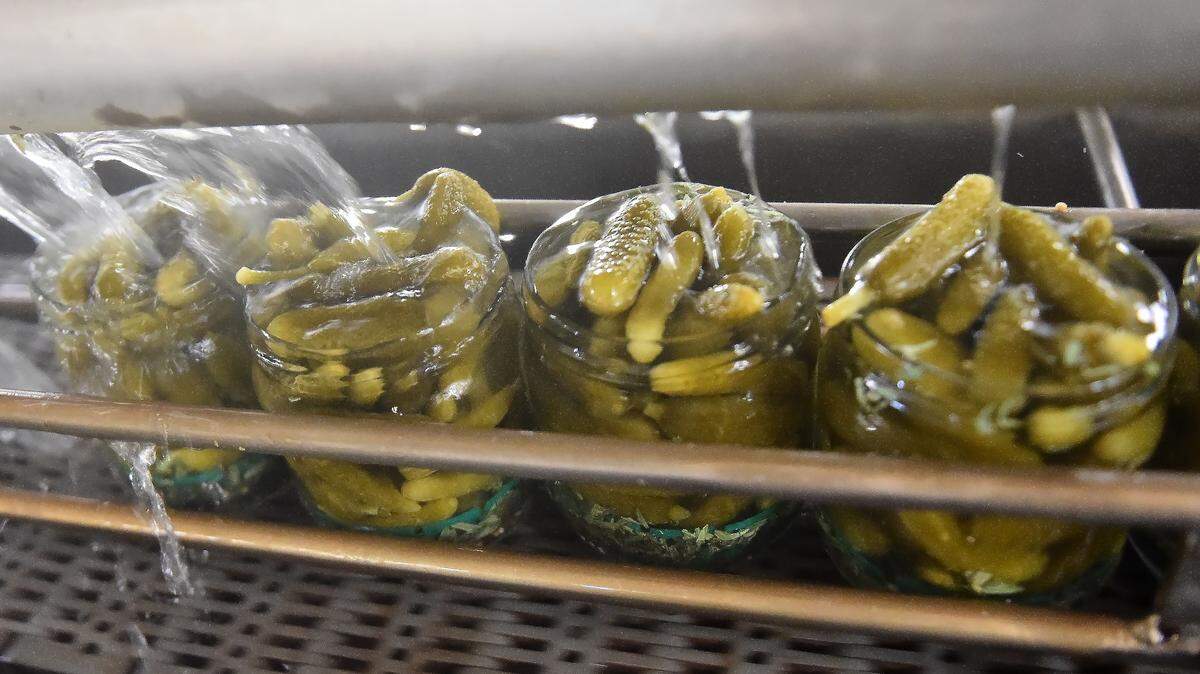
Pickles are having a moment on social media, but readers want to know whether the crunchy snack actually delivers health benefits — and the answer depends on how they’re made.
Are Pickles Good for Your Gut?
Only fermented pickles offer gut health benefits, because the fermentation process produces live probiotics that support a healthy gut microbiome. Vinegar-brined pickles, the most common type on grocery shelves, do not contain these beneficial bacteria.
For more information: Fermented Foods List: What to Eat for Better Gut Health and Benefits, According to Experts
“The pickles that are beneficial for your gut health are the fermented ones, made by brining them in salt rather than vinegar,” Dr. Marily Oppezzo, head of the Lifestyle Medicine Nutrition Pillar, said, according to Stanford Lifestyle Medicine. “While vinegar pickling is a common method, true fermentation in brine enriches them with beneficial probiotics for your gut.”
To find the right kind, Oppezzo recommends skipping the regular shelf entirely. “Check out the refrigerated section of your grocery store, as they won’t be found on the regular shelf,” she said.
Registered dietitian Amy Shapiro, MS, RD, CDN, echoed the point, telling Real Simple that “[fermented] pickles are a low-calorie food and rich in probiotics, which support a healthy balance of gut bacteria — a healthy gut microbiome is associated with improved digestion, reduced inflammation and enhanced immune response.”
What’s the Difference Between Regular Pickles and Fermented Pickles?
Pickling uses an acidic liquid like vinegar plus heat to preserve food, while fermentation relies on salt and time to transform the food naturally — and only fermentation produces live probiotic bacteria.
“Pickling is a method of food preservation that works by immersing foods in an acidic solution, like vinegar, that changes both the taste and texture of the food,” according to The Kitchn. “It also involves the use of heat, which serves to destroy and inhibit the growth of any microorganisms.”
Fermentation works differently. The process “doesn’t require an added acidic liquid or heat, and can be accomplished with as little as a container and salt,” The Kitchn explains. “It’s one of the oldest and most basic means of preserving food. The process typically takes longer than pickling and ultimately alters the food’s color, flavor and texture.”
That distinction matters at the grocery store. Shelf-stable jars in the center aisle are almost always vinegar-pickled. Fermented versions live in the refrigerated section because their live cultures need cold storage.
What Does the Research Say About Fermented Pickles and Gut Health?
A 2025 study published in the U.S. National Library of Medicine found that eating about 50 grams of fermented pickles daily led to measurable improvements in gut bacteria and reductions in intestinal inflammation.
The 12-week community trial, conducted in rural Pakistan, tracked adult women who consumed traditional fermented vegetable pickles. Researchers documented increases in beneficial bacteria such as Bifidobacterium and Prevotella, along with broader shifts in the overall microbial community structure.
Participants in the intervention group also showed reductions in stool-based markers of intestinal inflammation, suggesting an improved gut immune environment. Some systemic immune-related blood markers, including white blood cell and neutrophil counts, showed modest changes over the study period.
The authors cautioned that the effects were moderate and should be interpreted as a short-term dietary intervention rather than a clinical treatment.
Are Pickles Healthy or Are They Bad for You?
Pickles offer nutrients including vitamin K, vitamin A and vitamin C, but their high sodium content is a significant drawback that requires moderation.
“One major downside of pickles is their high salt content,” Oppezzo said. “A single pickle can contain over two-thirds of the recommended daily sodium intake for an average adult. Excessive sodium can be detrimental to overall health, thus it is important to eat pickles in moderation.”
She offered one timing tip for people watching their salt intake: “If you are going to have them and are watching your salt, eat after you’ve sweat a lot due to exercise or a sauna.”
This article was created by content specialists using various tools, including AI.
This story was originally published May 21, 2026 at 2:00 PM with the headline "Pickles and Gut Health: Are Fermented Pickles Actually Good for You? What Experts Say."