45% of the nation’s tap water contains chemicals that may be harmful to humans, experts warn
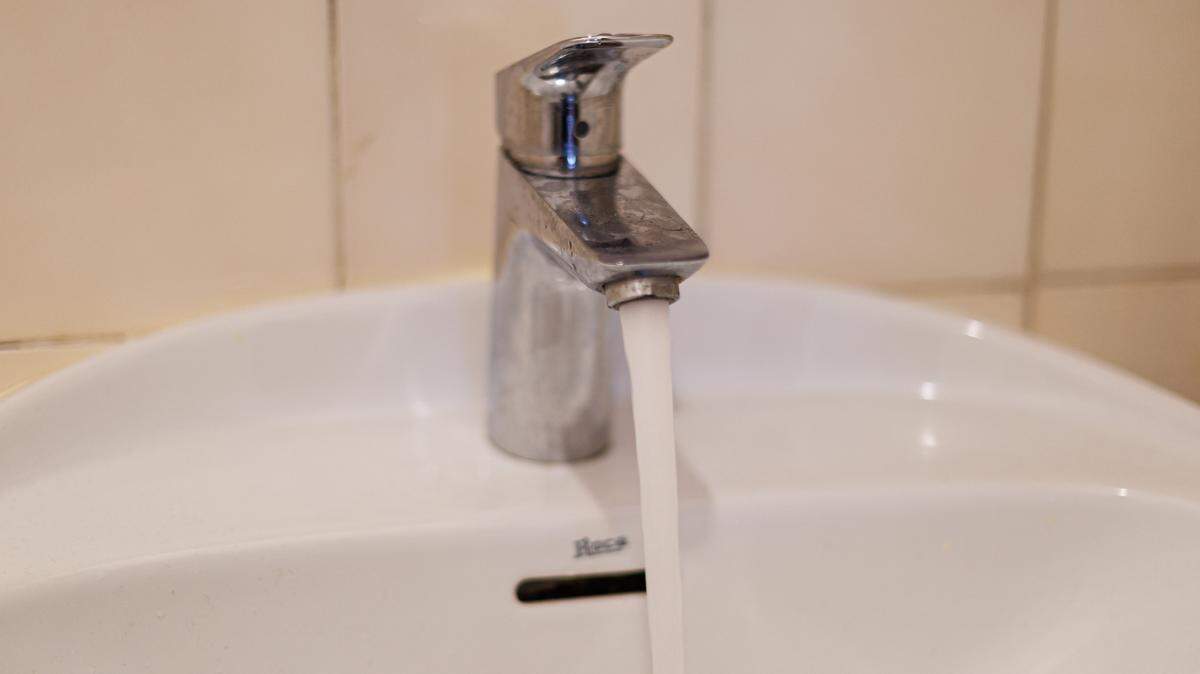
The numbers keep climbing. In 2023, a U.S. Geological Survey study found at least 45% of the nation’s tap water contained one or more PFAS — the synthetic compounds known as forever chemicals — across 716 sampled locations.
By mid-2025, the Natural Resources Defense Council mapped EPA monitoring data and found 136 million Americans were being served by systems that detected some level of PFAS contamination.
One year later, the Environmental Working Group put that number at 176 million, with the total still climbing toward EWG’s earlier estimate of 200 million.
The protections are not keeping up with the discoveries. Here’s what forever chemicals are, how to check whether they’re in the water coming out of your tap, and what you can do about it right now.
What forever chemicals are and why they matter
PFAS, short for per- and polyfluoroalkyl substances, are a group of thousands of synthetic chemicals used in nonstick pans, waterproof jackets, food packaging and a long list of everyday products.
They earned the “forever chemicals” nickname because they don’t break down naturally in the body or the environment.
“Their environmental and biological persistence means they can accumulate over time, raising long-term concerns for ecosystems and public health,” says Vasilis Vasiliou, Department Chair of Environmental Health Sciences at Yale School of Public Health.
Because PFAS are found in water, air, soil and products everywhere, most Americans already carry trace amounts in their blood, organs and tissues — often without knowing it.
According to the U.S. Environmental Protection Agency, scientific studies have shown that exposure to some PFAS in the environment may be linked to harmful health effects in humans and animals.
How to check water quality in my area
If you’ve ever asked whether the water in your area is contaminated, there are two reliable starting points — and they tell you different things.
The first is your city’s Consumer Confidence Report (CCR). Every public water system in the U.S. is required by the Safe Drinking Water Act to publish one annually. To find yours, search Google for “city/town + water quality report.” This is the official drinking water quality report for your utility, and it shows whether your water meets the EPA’s legal limits.
The second is the EWG tap water database, a free tool that lets you check water quality by zip code. Plug in your ZIP and you’ll get a detailed breakdown of contaminants, associated health risks, compliance violations and recommendations for filters based on what was found.
The key difference: your CCR tells you whether your water is legal under EPA limits. The EWG database, which uses stricter health-based limits, tells you whether it’s safe by current science. Legal and safe aren’t the same thing.
Is tap water safe to drink? What the numbers on your report mean
The honest answer to “is tap water safe to drink” depends on where you live, what’s being tested and which standard you trust. Either way, a whole-house water filter can help reduce the amount of contanimants in your drinking water.
Your CCR and the EWG tool will list contaminants tested, including PFAS and lead. For PFAS specifically, look for six names: PFOA, PFOS, PFHxS, PFNA, HFPO-DA (GenX) and PFBS.
The EPA’s legal limits are 4 parts per trillion for PFOA and PFOS, and 10 ppt for GenX, PFNA and PFHxS.
On your report, “MCL” stands for Maximum Contaminant Level — the legal ceiling. Anything below it is compliant. But the EPA’s own health-based goal for PFOA and PFOS is zero, meaning there is no known safe level of exposure.
Not every report will include PFAS data yet. The EPA’s UCMR 5 monitoring program is still rolling out, and many systems haven’t reported results. If your report doesn’t mention PFAS, that doesn’t mean your water is clean — it may just mean it hasn’t been tested.
Drinking water quality report follow-up: What you can do right now
If your drinking water quality report shows elevated PFAS levels — or if your system hasn’t been tested yet and you’d rather not wait — filtration is the most direct step you can take.
Not all filters remove PFAS. According to the EPA, the technologies that do are reverse osmosis systems, activated carbon filters (specifically granular activated carbon, or GAC) and ion exchange filters.
Pitcher filters and basic refrigerator filters generally won’t cut it unless they’re specifically certified for PFAS removal.
When shopping, look for filters certified to NSF/ANSI Standard 53 (for contaminant reduction) or Standard 58 (for reverse osmosis), and confirm that PFOA and PFOS are specifically listed on the certification.
A filter that reduces “contaminants” in general isn’t the same as one verified to remove forever chemicals.
Why the forever chemicals story keeps growing
The scope of contamination has expanded with every new round of testing.
The USGS sampled hundreds of locations and found PFAS in roughly half of the country’s tap water. The NRDC’s analysis of EPA monitoring data pushed the affected population to 136 million by mid-2025.
EWG’s March 2026 update raised that to 176 million — and the count is still climbing.
Federal limits exist now where they didn’t a few years ago, but enforcement is uneven and many utilities haven’t completed testing under UCMR 5. That means the gap between what’s known and what’s regulated will keep shifting.
Checking your local report, comparing it against the EWG tap water database and filtering accordingly are the steps within reach today — without waiting for the next number to land.
This article was created by content specialists using various tools, including AI.