Wildfire season is here — but is your HEPA air purifier actually built to handle it?
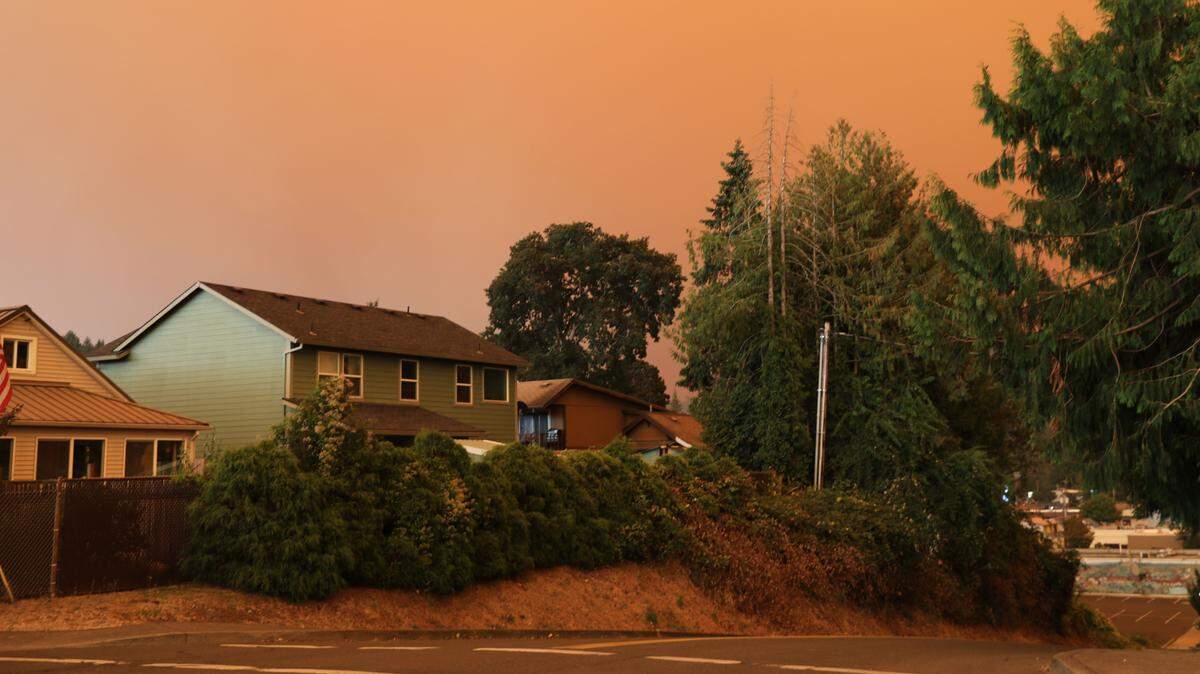
Every wildfire season follows the same pattern: smoke rolls in, air quality alerts spike and people rush online searching for a “hepa air purifier” before stores sell out. But when panic buying kicks in, a lot of households end up with the wrong machine for the job.
That demand surge is already happening again. In April 2026, several wildfires spread across southern Georgia as nearby states saw a sharp increase in air-quality concerns. And residents responded quickly.
MORE INFO: How to choose the best HEPA air purifier for your home — and why it’s so important
Google Trends data showed South Carolina searches for “hepa air purifiers” jumped 120% between March 29 and April 30, while “portable air purifier” searches surged 400%. Florida and North Carolina saw similar spikes.
And it’s not just this year. During the 2023 Canadian wildfire smoke event, stores like Target, Walmart, Lowe’s and Home Depot reportedly sold out of purifiers across parts of Pennsylvania within days. Some Amazon models moved more than 20,000 units in a month.
The problem is that urgency pushes people toward fast decisions — and wildfire smoke is exactly when bad air purifier choices become expensive.
Mistakes people make buying an air purifier for wildfire smoke
When air quality alerts hit and shelves start emptying, most shoppers grab the first purifier they can find without doing research.
The result is a lot of households spending money on units that sound impressive in the listing but struggle to actually handle wildfire smoke once they’re plugged in.
Here are a few of the most common mistakes to avoid this wildfire season.
5. Buying a purifier that’s too small
This is the most common mistake. A purifier designed for a small bedroom won’t do much in a large open-concept living room. It may run nonstop, wear through filters faster and still struggle to noticeably improve indoor air quality.
4. Falling for “HEPA-type” marketing
Not every “HEPA” label means the same thing. True HEPA filters capture 99.97% of particles down to 0.3 microns — including the fine particles that make wildfire smoke dangerous. Terms like “HEPA-type,” “HEPA-style” and “HEPA-like” aren’t regulated and may not offer the same level of filtration.
3. Ignoring filter replacement costs
A cheap purifier can become expensive fast if replacement filters cost a fortune or need changing every few months. Many shoppers focus on the upfront price and forget the long-term maintenance math.
2. Expecting one purifier to clean the entire house
Air circulation inside homes doesn’t work evenly — especially overnight with doors closed. A single unit usually works best in the room where you spend the most time, particularly bedrooms during smoke events.
1. Forgetting about activated carbon filters
HEPA filters are excellent for particles, but wildfire smoke also contains gases and volatile organic compounds. Activated carbon filters help capture odors and smoke-related chemicals that standard HEPA filtration alone can miss.
FAQ about a HEPA air purifier for wildfire smoke
There’s a reason searches for “air purifier for wildfire smoke” explode every wildfire season: most people don’t start researching until the smoke is already outside their window.
These are the biggest questions people ask once air quality drops — from whether one purifier is enough to what actually matters when shopping for a HEPA unit.
Can wildfire smoke get inside your house?
Yes. Smoke particles can enter through open windows and doors, ventilation systems and even tiny cracks around the home. Once the particles get indoors, they can continue circulating long after outdoor air quality improves.
Why is wildfire smoke dangerous indoors too?
According to the U.S. Environmental Protection Agency, wildfire smoke particles can irritate the eyes and respiratory system, causing symptoms like burning eyes, runny nose and bronchitis. Smoke exposure can also worsen existing heart and lung conditions.
Why does a HEPA air purifier matter during wildfire season?
A proper hepa air purifier helps remove the fine particles that make wildfire smoke hazardous indoors. During major smoke events, it becomes one of the main tools helping keep indoor air safer to breathe.
Does the EPA recommend air purifiers for wildfire smoke?
Yes. The EPA recommends using portable air cleaners during wildfire smoke events and also suggests DIY box-fan air cleaners with furnace filters when commercial purifiers aren’t available.
When should you buy a HEPA air purifier for wildfire season?
Earlier than you think. Prices and inventory tend to be much better in late winter and early spring before smoke season ramps up. Waiting until major fires start often means limited options, delayed shipping and inflated prices.
Can a DIY box fan filter actually help?
It can help reduce smoke particles indoors when a true HEPA purifier isn’t available. It’s not considered a perfect long-term replacement, but experts say it’s better than having no filtration at all during smoke events. Simply tape a furnace filter to a box fan and let it work, per the EPA.
What should you do if wildfire smoke arrives before your purifier does?
Keep windows and exterior doors closed, run the cleanest filtration device you have in the room where you sleep and monitor local air-quality conditions before opening the house back up. Keeping spare furnace filters on hand ahead of wildfire season can also help if you need to quickly build a DIY setup.
Is one air purifier enough for an entire home?
Usually not. Most portable units are designed for individual rooms, not whole-house filtration. Bedrooms and main living spaces are typically the priority areas during heavy smoke conditions.
What matters more: buying fast or buying the right purifier?
The right purifier. Wildfire smoke makes every purchase feel urgent, but rushing often leads people to buy undersized units, weak filters or expensive systems that don’t fit their actual space. Planning before wildfire season usually leads to better protection and lower costs.
This article was created by content specialists using various tools, including AI.