There's a Faster Way to Find Hidden Mold in Your Home. It Has 4 Legs and a Very Good Nose
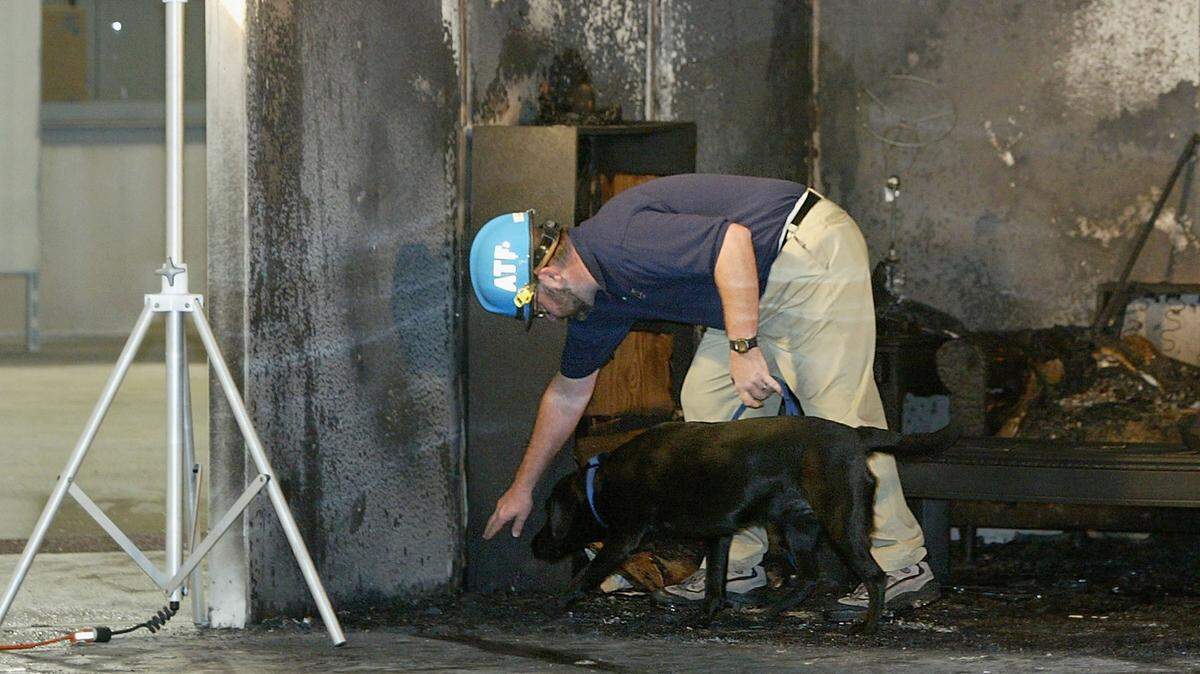
Mold doesn’t always announce itself with dark splotches on a wall or ceiling. It thrives in places you’d never think to look, grows quietly and causes damage long before anyone notices. And while a musty smell or unexplained allergy symptoms might tip you off that something’s wrong, tracking that odor to its source is another challenge entirely.
That’s where a mold detection dog comes into play. Trained to detect the specific volatile organic compounds that mold produces, these dogs can pinpoint contamination with a level of speed and precision that traditional inspection methods simply can’t match — and they’re taking the meaning of “good boy” to a whole new level in the process.
How a mold sniffing dog works
A dog’s sense of smell is anywhere from 1,000 to 100,000 times better than a human’s, according to VCA Animal Hospitals. That extraordinary sense of smell is why so many canines are trained to detect illegal drugs, explosives, firearms, currency and human scent for search-and-rescue.
But they can also be trained to sniff out mold growing behind walls, under floors and in other places people can’t see.
A mold sniffing dog is taught to recognize the specific chemical compounds mold gives off, then signal handlers when it picks up the scent. Most dogs working in this field complete certified training programs that last anywhere from several weeks to several months, depending on the program and the breadth of mold types involved.
Meet Spore, the mold detection dog from North Dakota
One of the newest dogs in the field is Spore, who works for 1-800 Water Damage in North Dakota. Spore underwent several weeks of training in Florida earlier this year, per News Dakota, and now helps the company’s certified team find contamination that traditional inspections might miss.
“Spore’s specialized scent training allows us to pinpoint potential problem areas before damage spreads,” the company explains on its website. According to 1-800 Water Damage, “using trained scent detection, Spore helps our IICRC-certified team locate hidden mold faster and with greater accuracy than traditional methods.”
In a demonstration with News Dakota, Spore was given a wheel with different items inside each cup — one of which included mold. He correctly identified the cup three times, and was rewarded with a treat each time.
Why more homeowners are turning to dogs to find hidden mold
Mold detection dogs are becoming more common as homeowners grow more aware of the dangers of mold exposure and the limits of traditional testing. For some operators in the field, the work is personal.
Zaneta Kuzel, founder of Mold Hunt in Florida, decided to enter the mold detection industry after coming down with pneumonia from hidden mold, despite getting the necessary inspections in her home. Her dog, Indy, underwent three months of training before becoming AWDA-certified in mold detection.
In an interview with CBS Philadelphia, Kuzel said Indy was trained to detect 16 different kinds of mold. Once he finds it, Indy will sit and point his nose toward the area where the scent is coming from.
Rescue dogs are being given a new sense of purpose
Then there’s Buck, a one-year-old lab hound mix in Winchester, Virginia. Jordan Meier, a cancer survivor whose 5-year-old son grew sick from mold exposure, decided to take a more holistic approach to her family’s health. In doing so, she founded Blue Ridge Mold Dog.
“We just learned a lot of limitations with traditional testing and we came across mold dogs and we never looked back,” she told WHSV in March.
Meier came across Buck at the Winchester SPCA before sending him to Florida for a five-month, 1,000-hour training program. Now he’s the star of the show as she helps homeowners track down hidden mold in their houses.
“All tests have limitations. Like my dog can’t talk to me and tell me what type of mold it is, right? But he’s able to detect things that other tests are missing,” Meier said.
“I always try to educate people, like why having him first is a really good option because while you still may need to do further investigation, depending on the situation, now you have a narrowed scope of where that investigation needs to take place,” she added.
When to consider hiring a mold detection dog
If you suspect mold in your home but can’t find the source, a mold detection dog is worth considering. They’re not a replacement for lab testing or professional remediation, but they can save you time, money and unnecessary demolition by narrowing down exactly where the problem is.
Instead of tearing into walls on a hunch, you get a targeted starting point. And if nothing else, you get to watch a very good dog do what he was born to do.
This article was created by content specialists using various tools, including AI.