Beef Tallow for Skin: Miracle Cure or TikTok Myth? Here's What the Experts Are Saying
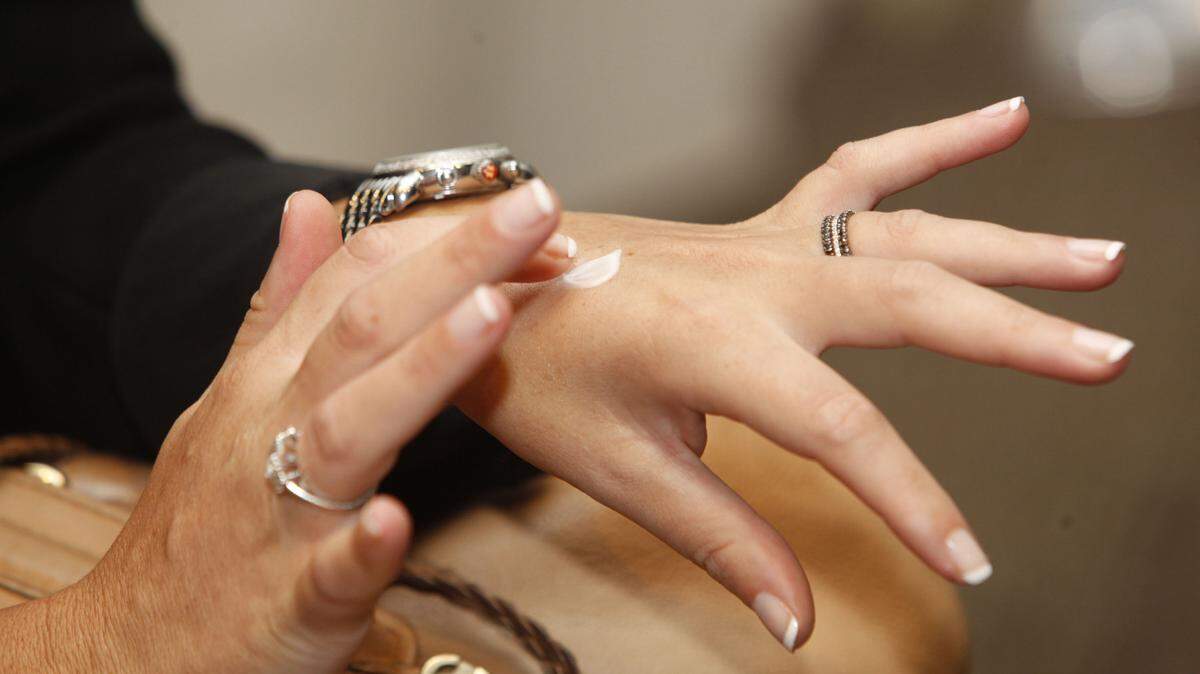
Beef tallow for skin is having a moment. Scroll through TikTok, Instagram or YouTube and you’ll find influencers slathering rendered cow fat on their faces, calling it a miracle moisturizer and a “chemical-free” alternative to mainstream skincare.
Celebrities and beauty brands have joined in, fueling a wave of interest in natural, animal-based products that promise simpler routines with fewer synthetic ingredients.
But while social media is driving people toward beef tallow for skin, dermatologists say the science hasn’t caught up with the buzz. Research is limited, clinical evidence is thin and some experts warn that the risks — clogged pores, irritation, allergic reactions — may outweigh any potential payoff.
Here’s what to know before you start smearing suet all over your skin.
What beef tallow actually is
Tallow is a solid fat derived from animals, and beef tallow specifically comes from rendered cow fat — typically suet that surrounds the kidneys and other organs, according to UT MD Anderson. It’s made by slowly melting beef fat, then straining and cooling it into a solid that’s firm at room temperature but melts when warmed, much like coconut oil.
Historically, tallow has been used for cooking, soap making, candle making and skincare. In beauty applications, it’s valued for being occlusive — meaning it helps lock moisture into the skin — and for being chemically similar to skin’s natural oils.
“It gets promoted a lot on social media because it’s natural,” dermatology resident Angela Wei, MD, told the Cleveland Clinic. “People seem to like it because it’s something that’s been around for a long time and marketed as ‘chemical-free.’”
Why beef tallow for skin is trending
The current demand isn’t being driven by clinical research — it’s being driven by influencers, celebrities and brands.
A 2025 study analyzed top posts about beef tallow for skin across YouTube, Instagram and TikTok. Here’s what it found:
- Risks associated with tallow use were rarely mentioned
- Scientific evidence supporting the claims was minimal
- Very few posts recommended consulting a healthcare professional before using it
- 82% of posts across all platforms recommended tallow for skincare
- Financial bias was prevalent on all platforms
- The claims primarily centered around using beef tallow for acne, eczema, psoriasis and as a moisturizer
- Dermatologists were the least likely to promote beef tallow for skin
- Most posts came from influencers and bloggers without medical expertise
In other words, much of what’s fueling the trend is sponsored content rather than peer-reviewed science.
The potential benefits of beef tallow for skin
There are reasons the ingredient has stuck around for centuries.
According to a 2024 scoping review, beef tallow contains fatty acids that act as emollients, smoothing and softening skin, and as occlusives, forming a protective seal that helps prevent moisture loss.
It also contains small amounts of fat-soluble vitamins — including A, D, E, K and B-12 — which can play roles in cell turnover, inflammation, UV damage and wound healing.
Because the fatty acids in beef tallow are similar to those naturally found in human sebum, some experts say it may absorb more easily than certain conventional lotions and may help support the skin barrier.
“Its fatty acids closely resemble the natural oils of the skin, allowing it to effectively replenish moisture,” Michele Green, MD, a board-certified cosmetic dermatologist in New York City, told GQ in May 2026. “Linoleic acid, a type of fatty acid in beef tallow, also has known anti-inflammatory properties that can reduce redness and swelling.”
The potential side effects and risks
The benefits come with caveats — and dermatologists say more research is needed to confirm or rule out many of the claims circulating online. Potential downsides include:
- Clogged pores: Tallow can trap oil and lead to breakouts, especially in acne-prone skin.
- Irritation: It may worsen sensitivity, aggravate rosacea or trigger reactions, especially when fragrance is added.
- Allergic reactions: Some users experience redness, itching or rashes.
- Heavy, greasy feel: It’s often not ideal for oily or combination skin.
- No sun protection: It does not shield skin from UV rays and may increase sunburn risk.
- Bacteria risk: Poor-quality or improperly stored tallow can harbor bacteria.
- Inconsistent quality: Products aren’t uniformly tested or regulated.
- Not for damaged skin: It should not be applied to broken or inflamed areas.
- Not vegan: As an animal-based ingredient, it’s incompatible with cruelty-free routines.
“Beef tallow doesn’t have a standard formulation, and it’s not developed in a controlled way,” Dr. Wei told the Cleveland Clinic. “As a result, it is hard to know what each product truly contains, and how many nutrients are actually going into the skin to create the effects they claim.”
Board-certified dermatologist Corey L. Hartman, MD, also warned GQ that comedogenic products can be especially risky for oilier skin types.
“If you have oily skin, which men tend to have, using comedogenic products is asking for a breakout,” Hartman said. “When products get stuck in pores and mix with oil, acne is almost guaranteed.”
How to use beef tallow for skin safely
If you still want to try it, dermatologists suggest a cautious, low-and-slow approach. Here’s how to use beef tallow for skin without overdoing it, according to GoodRX:
- Choose high-quality, cosmetic-grade tallow — look for labels like “refined,” “skin” or “cosmetic grade” and avoid cooking-grade products.
- Start with a pea-sized amount or less. A little goes a long way.
- Warm it between clean fingers to soften, then gently massage into dry areas.
- Apply to clean skin for best results.
- Layer it over a hydrating serum or lightweight moisturizer to help seal in moisture.
- Patch-test for several nights before making it part of your routine.
- Adjust frequency based on your skin type.
- Avoid acne-prone areas, broken skin or inflamed patches.
- Stop using immediately if you notice breakouts or irritation.
- Always check ingredient labels for purity and sourcing.
Many experts ultimately recommend sticking with moisturizers that have stronger clinical backing.
“There’s no evidence that shows beef tallow has any additional benefits for your skin beyond being a natural moisturizer,” Dr. Wei told the Cleveland Clinic. “There are other moisturizers out there with more consistent formulations that are better and safer for use on the skin.”
This article was created by content specialists using various tools, including AI.