Why Are Mosquitoes Attracted to Me? The Science Behind Becoming a Mosquito Magnet
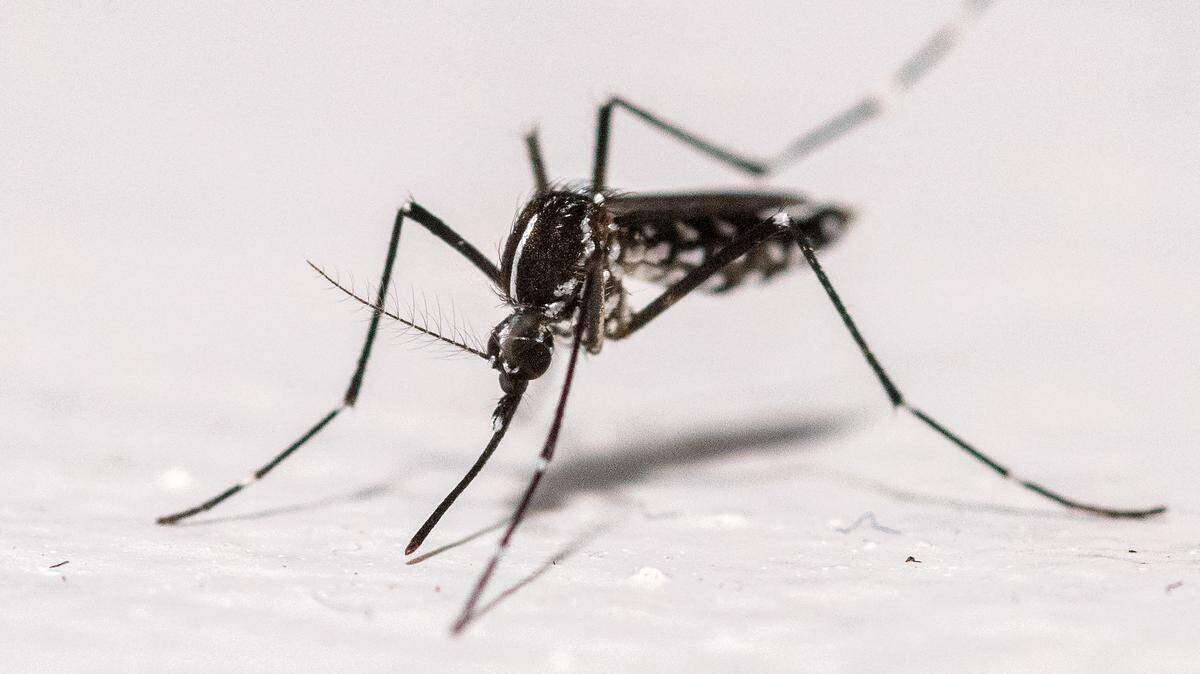
You’ve just stepped outside for a backyard barbecue, and within minutes, you’re swatting at your arms while everyone around you remains untouched. Sound familiar?
If you’ve ever wondered, why are mosquitoes attracted to me more than other people, you’re not imagining it. Some individuals truly are mosquito magnets, and science has uncovered fascinating reasons why.
From your blood type to the carbon dioxide you exhale, several factors determine what attracts mosquitoes to certain people. Understanding these triggers is the first step in learning how to keep mosquitoes away (if at all possible).
Does blood type matter?
Many people wonder: are mosquitoes attracted to a certain blood type? A 2019 study in the American Journal of Entomology found mosquitoes preferred Type O blood when offered feeders with A, B, AB and O.
A 2004 study reached a similar conclusion, finding mosquitoes more likely to land on people with Type O blood. People with Type A blood appeared less attractive.
So what blood type are mosquitoes most attracted to? Type O often comes out on top in lab studies — but the science isn’t settled. Associate Professor Nigel Beebe of UQ’s School of the Environment pushed back on the connection.
“There’s no evidence to say that certain blood types – that is, certain antigens that sit on the outside of the red blood cell – influence a mosquito’s attraction to you,” Beebe told The University of Queensland.
Genetics play a major role
A 2015 twin study published in PLOS One found genetics may account for roughly 67% of mosquito attraction — comparable to the genetic influence on height and IQ. In the study, identical twins showed more similar attraction levels than fraternal twins when researchers had them place their hands in Y-shaped acrylic containers.
Sweat, breath and body heat
Mosquitoes are drawn to compounds in sweat including lactic acid, ammonia and uric acid, USA Today reported. Those chemical signals are shaped by diet, hygiene, health and genetics. High skin concentrations of steroids, cholesterol and carboxylic acids also draw bites.
Heavier breathing means more carbon dioxide, another major attractant, according to Our Blood Institute. People with higher metabolic rates emit more CO2 — including pregnant people, those exercising and people drinking alcohol. Rapid, shallow breathing from asthma or infection has a similar effect.
Body heat is also a beacon. Mosquitoes target spots where heat radiates most, like the head and neck. People who run hot or sweat easily are prime targets.
Clothing colors and skincare
Jeffrey Riffell, a biology professor at the University of Washington, told Time Magazine that mosquitoes respond to both scent and color. Attractive shades include black, navy, red, orange and cyan.
The Harrison County Health Department notes dark clothing resembles the shadows mosquitoes hide in. Deterrent colors include white, green, purple, blue and gray.
Strong floral perfumes and deodorants also attract mosquitoes. Moisturizing lotions often contain lactic acid, and alpha-hydroxy acids in many anti-aging products do the same.
“Mosquitoes are attracted to our body odor, but they’re also attracted to the things we use to mask it, such as perfumes or deodorants,” emergency medicine specialist Christopher Bazzoli, MD, told the Cleveland Clinic.
Diet and pregnancy
No solid research supports claims that potassium-rich foods, salty snacks, spicy meals or sweets attract mosquitoes. Some studies suggest beer and bananas can increase your chances of being bitten, but more research is needed.
Pregnancy is a clearer factor. A 2000 study on malaria-carrying mosquitoes found pregnant women were twice as likely to attract them as non-pregnant women, thanks to changes in body chemistry and CO2 output.
Why they bite — and whether you can train them away
Only female mosquitoes bite. They need blood to develop fertile eggs and protein for reproduction. Females use their antennae and palps to locate prey, according to Pfizer, and can detect carbon dioxide trails from up to 120 feet away, USA Today reported.
Riffell offered one bit of hope for chronic mosquito magnets.
“Unfortunately, they can learn. If you are very attractive and they bite you and drink your blood, they will then go back to you because they learned this kind of positive association,” he told Time Magazine. “The good news is that they can learn to avoid you, so if you’re trying to swat them they’ll learn that and they’ll avoid you a little bit.”
This article was created by content specialists using various tools, including AI.
This story was originally published May 1, 2026 at 10:03 AM.