Why You Have a Mosquito Problem (It's Probably This One Thing in Your Yard)
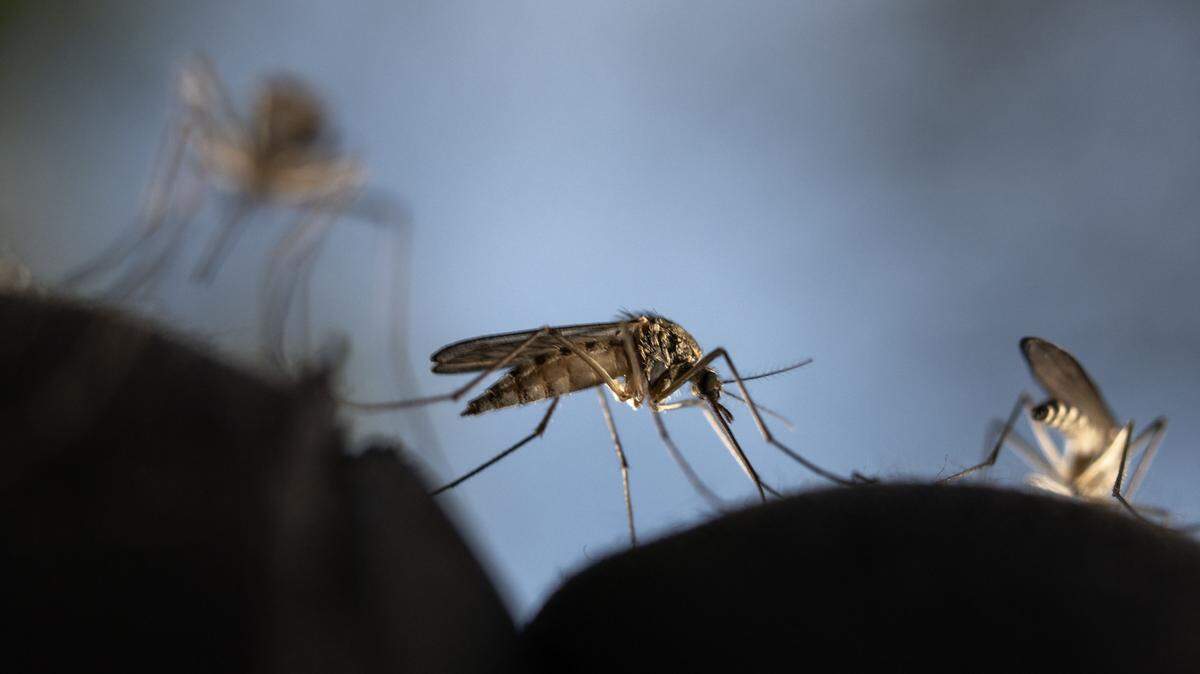
You’ve sealed the screens, lit the citronella candles and slathered on bug spray. Yet the moment you step outside, the mosquitoes find you.
Effective mosquito control often starts closer to home than people realize. The source of your backyard misery may be just a few feet from your back door — and it doesn’t take much.
Mosquitoes don’t need a swamp or a pond to thrive. They need water, and not much of it. A forgotten bucket, a clogged gutter, even a bottle cap left in the grass can become a nursery for hundreds of biting adults in a matter of days, according to the U.S. Environmental Protection Agency (EPA).
The good news: if your yard is the problem, your yard is also the solution. With a little know-how and routine maintenance, you can break the breeding cycle and reclaim your evenings.
Understanding the mosquito life cycle
According to the U.S. Centers for Disease Control and Prevention (CDC), more than 200 types of mosquitoes live in the continental United States. Every species passes through four stages of development — the first three of which happen in water.
Mosquitoes breed by laying 100 to 300 eggs in stagnant or slow-moving water. Female mosquitoes need a blood meal to develop eggs, which they deposit on the water surface or in damp areas that later flood. Eggs hatch into aquatic mosquito larvae, known as wrigglers, then turn into pupae and emerge as flying adults.
The mosquito lifespan from egg to adult typically runs about two weeks, but depending on conditions, it can range from just a few days to as long as a month.
So, where do mosquitoes breed?
Most homeowners are surprised to learn the buzzing nuisance ruining their evenings probably started life just steps from the back door.
According to the San Diego County Vector Control Program (VCP), mosquitoes “can lay their eggs in as little as a bottle cap full of water and can go from egg to biting adult in as little as 5 days.”
Common breeding grounds, per the Solano County Mosquito Abatement District, include:
- Potted plant saucers
- Buckets and containers
- Open trash cans
- Outdoor furniture
- Rain barrels
- Tarps
- Children’s toys
- Kiddie pools
- Wheelbarrows
- Birdbaths
- Watering cans
- Trash and clutter
- Open fence posts or bamboo
- Tree holes and decorative rocks
- Tires
The key word is “stagnant.” Most mosquito eggs need stagnant, or still, water to survive. That’s why it’s so important to check your yard regularly for any spots where water might collect and sit undisturbed, especially after a rainy day.
How to get rid of mosquitoes before they arrive
Wondering how to get rid of mosquitoes? The best approach is to stop them from breeding in the first place. And that means disrupting the conditions mosquito larvae need to survive.
Anything that disrupts the water’s surface tension — or removes it altogether — can spare your backyard from swarms.
If that’s what your goal is, add these steps to your spring cleaning checklist:
- Dump standing water often. Empty bird baths, kiddie pools, buckets and plant saucers every few days. Mosquitoes need only a small amount of water to breed, per the Metropolitan Mosquito Control District.
- Keep water moving. In ponds and water features, add a fountain or aerator, or stock fish that eat larvae. Mosquitoes can’t breed in moving water.
- Cover anything that holds water on purpose. Put screens on rain barrels and lids on storage containers so mosquitoes can’t get in to lay eggs.
- Tighten or remove tarps. Pull them tight so water rolls off, and check after every rain.
- Store gear so it can’t collect water. Flip wheelbarrows upside down, drill drainage holes in planters and tuck buckets and tools under cover.
- Clean your gutters regularly. Clogged gutters trap water all summer. Clear them out or install guards.
- Fill in tree holes. Plug cavities with dirt, sand or foam so rainwater can’t pool inside.
- Recycle old tires. Tires are one of the worst offenders. Check with your local recycling or mosquito control program to dispose of them.
Mosquitoes can also breed indoors under the right circumstances — in vases, indoor plants, pet bowls, drains, toilets, unfiltered aquariums and dirty dishes. Keeping doors and windows closed and making sure screens have no holes can help keep them out.
Why mosquito control is so important
Mosquitoes are the deadliest animal on the planet, according to the CDC.
“Mosquitoes cause more human suffering than any other organism; over one million people worldwide die from mosquito-borne diseases every year,” the American Mosquito Control Association says, per USA Today.
“Not only can mosquitoes carry diseases that afflict humans, they also transmit several diseases and parasites that dogs and horses are very susceptible to,” the AMCA continues.
With a little maintenance, you can keep the mosquito population in your backyard in check this year.
This article was created by content specialists using various tools, including AI.