Why Food Tastes Different on Ozempic: People Are Reaching for “GLP-1-Friendly” Condiments to Enjoy Eating
If you’re on a GLP-1 medication like Ozempic or Wegovy, you’ve probably noticed something strange: food doesn’t taste the way it used to. Maybe your favorite dessert now seems overwhelmingly sweet.
Maybe chicken tastes like nothing at all. You’re not imagining it and you’re not alone. A growing body of research is confirming what millions of users have been describing online and in doctors’ offices for months — these drugs fundamentally change your relationship with flavor.
About 12% of Americans have used GLP-1 drugs, and the science is finally catching up to what many of them have been experiencing firsthand.
Your Taste Buds Aren’t Broken, They’re Recalibrating
A March 2025 ScienceDirect study led by Dr. Richard Doty of the University of Pennsylvania found GLP-1 medications significantly dull all five basic tastes — sweet, salty, sour, bitter and savory. That’s the clinical explanation for why meals might feel muted or why flavors you once loved now seem flat.
What’s happening isn’t simple suppression — it’s sensory recalibration. Your palate is shifting, and in different directions depending on the person. That recalibration helps explain another widely reported experience: 75% of GLP-1 users report sensitivity to overly sweet foods, describing them as “sickly sweet.”
If you’ve pushed away a pastry or a soda that once brought you comfort, that data validates exactly what you felt. Users also commonly report aversions to the scent and texture of fried and creamy foods — so if certain restaurant menus have started feeling unappealing in ways you can’t quite articulate, your senses are responding to real physiological changes.
What People on GLP-1s Are Buying
Rather than eating less and suffering through it, many GLP-1 users are adapting — and eating well. High-protein bases like chicken, eggs, Greek yogurt and cottage cheese have become staples. These foods are mild by nature and rely on condiments and seasonings for satisfaction. As Marzetti CEO David Ciesinski told Reuters: “We all know that chicken tastes like chicken, so it begs for flavor.”
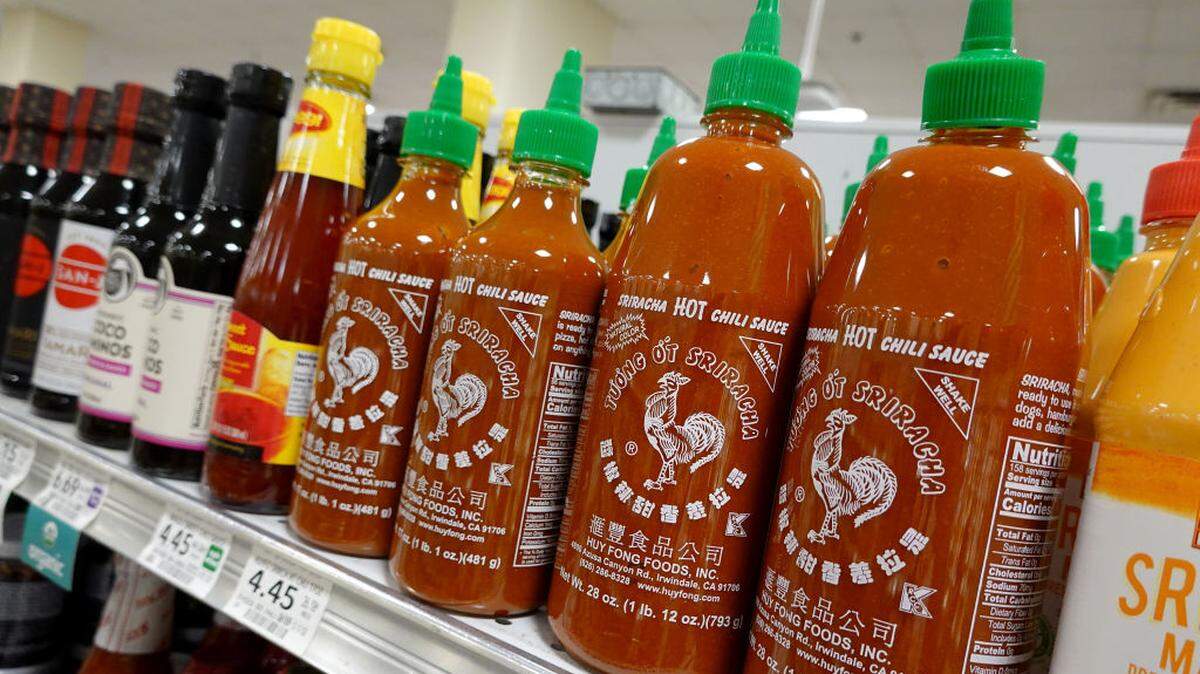
That demand for flavor has fueled a sharp rise in bold global condiments. Hot sauce, chili crisp, gochujang, Japanese BBQ sauce and kimchi are all trending, with gochujang launches in the U.S. up 120% year-over-year. Sweet and spicy flavor profiles are driving BBQ sauce innovation specifically. Meanwhile classic condiment sales — mayo, ketchup and salad dressing — are declining as bold and functional condiments rise.
Eating Better Instead Of Eating Less
Here’s the part that might surprise you. A February 2026 survey of 2,117 U.S. adults found more than half of GLP-1 users are buying more fresh produce and a third increased purchases of fresh chicken and protein. GLP-1 users are investing 55% more in fresh produce than before starting the medication.
The ripple effect goes beyond individual plates too. That same survey found 41% of users say the dietary changes have improved their whole household’s eating habits — and among Millennials that number reaches 79%. GLP-1-friendly dishes at restaurants are even drawing in customers who aren’t on the medications at all, per CNBC’s March 2026 analysis. The eating pattern is crossing into mainstream wellness.
One Thing To Watch: Micronutrient Gaps
Eating less doesn’t mean your body needs less of everything. Micronutrient needs don’t drop with appetite, and GLP-1 users may be deficient in zinc, copper and magnesium according to Food Navigator’s Expo West coverage — minerals tied to immune function, energy and, notably, taste perception itself. If you’re finding food even more unappealing than expected, it’s worth a conversation with your doctor about checking those levels.
This Isn’t About the Drug — It’s About How You Eat Now
Whether you’re on a GLP-1, considering one or just curious why hot sauce brands are suddenly selling for hundreds of millions of dollars, the underlying shift is worth paying attention to. The eating framework these medications are encouraging — prioritizing protein, choosing bolder and cleaner flavors, reducing ultra-processed food — is what nutritionists have recommended for years.
Your experience on these medications is real, it’s measurable and it doesn’t have to mean giving up on enjoying food. It may just mean discovering a different way to enjoy it.
This article was created by content specialists using various tools, including AI.