A Parent’s Guide to Cotton Sheets for Eczema-Prone and Sensitive Skin — What To Know About Switching
If your child has eczema or your teenager is battling breakouts, you’ve probably scrutinized every lotion, detergent and body wash in your home. But the sheets your family sleeps on for eight or more hours every night may be playing a bigger role in skin health than you’d expect.
“Clothing and bed sheets can make a condition like eczema or dry skin worse because of the material,” says Dr. Marina Peredo, a board-certified Manhattan-based dermatologist, in The Healthy’s February 2026 guide. A 2024 systematic review published in PMC/NIH confirms the mechanism: bedding material directly affects sleep quality by influencing skin temperature, body temperature and thermal comfort. For families managing sensitive skin, those factors compound.
Why Fabric Choice Matters for Eczema and Sensitive Skin
Cotton is naturally hypoallergenic and resistant to dust mites when laundered regularly. Its fiber structure allows air to circulate freely, preventing heat from being trapped against the skin overnight. It’s also hydrophilic — it draws moisture away from the body and lets it evaporate rather than pooling against tender skin.
Compare that to polyester or microfiber blends, which trap heat and humidity. For a child who scratches through the night or wakes up with irritated patches, that difference in breathability is meaningful. The American Academy of Dermatology notes that polyester and synthetic fibers can directly trigger eczema flares, per Medical News Today’s breakdown of eczema-safe fabrics.
For teens dealing with acne, the connection is equally relevant. Synthetic fabrics trap heat against the skin, worsening friction-related breakouts — exactly the kind of ongoing irritation breathable cotton helps reduce. If your teen is dealing with body or facial acne, their pillowcase and sheets are worth evaluating alongside any skincare routine.
The Chemical Concern Most Parents Miss
Beyond the fabric itself, it’s worth knowing what’s been applied to it. Conventional sheets, especially synthetic blends, may be treated with formaldehyde, flame retardants or wrinkle-resistant finishes that off-gas VOCs. For a child with eczema or chemical sensitivity, sleeping on a surface that quietly releases irritants all night can work against every other precaution you’re taking.
Two certifications are worth looking for. GOTS (Global Organic Textile Standard) verifies organic growing practices and prohibits harsh chemical processing. OEKO-TEX Standard 100 tests finished products for over 400 harmful substances including heavy metals, formaldehyde and allergenic dyes — making it slightly more targeted for chemical sensitivities specifically. Either is a meaningful step above unlabeled conventional sheets.
Yes, certified organic cotton costs more upfront. But weighed against recurring dermatologist visits or another round of trial-and-error with laundry products, the math often works in your favor.
What To Expect When You Make the Switch To Cotton
The most commonly reported changes after switching from synthetic to cotton are reduced night sweating, less skin irritation upon waking and a cooler sleep surface overall — welcome differences in a child’s bed, where overheating often worsens itching and disrupted sleep.
There’s a real adjustment period. Cotton doesn’t have the immediate silky feel of microfiber and percale can feel crisp at first. Most people acclimate within a week or two, and cotton gets softer with every wash rather than pilling or degrading. One trade-off to know: cotton wrinkles easily and retains moisture if not laundered frequently.
For families already washing sheets often due to skin conditions, that’s unlikely to be a new habit — but weekly washing at minimum is recommended.
Choosing the Right Cotton Sheets for Sensitive Skin
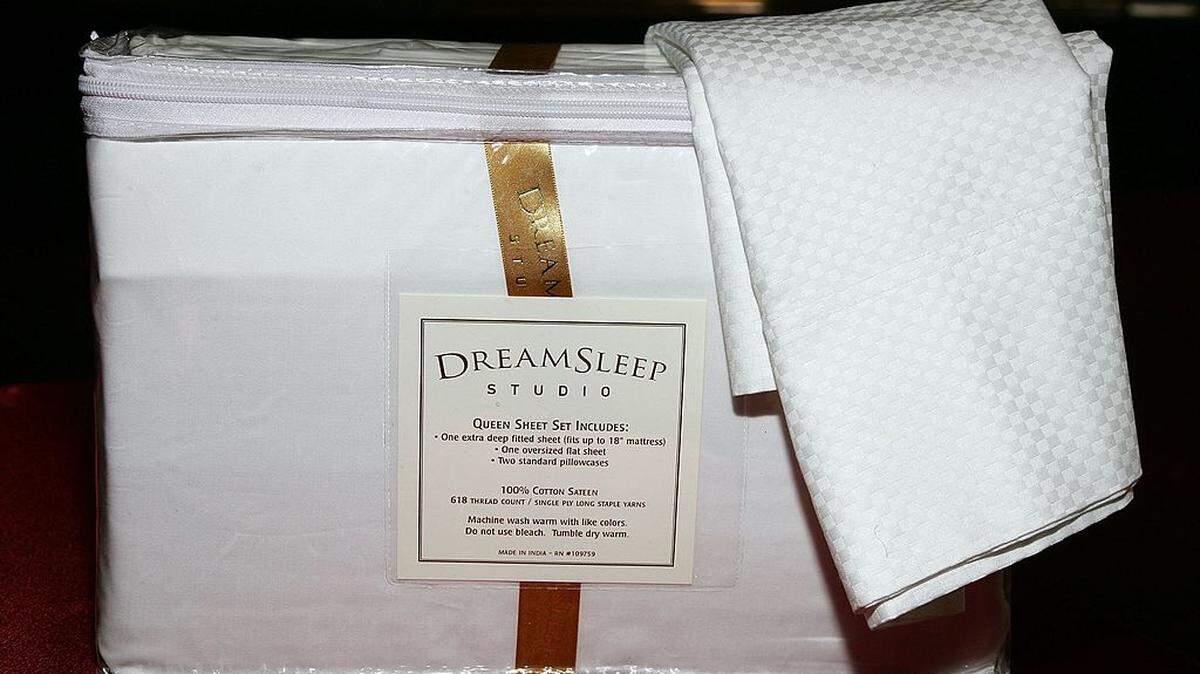
Thread count is often misunderstood. For sensitive skin, the sweet spot for breathability and durability is 200 to 400. Above 600 tends to trap heat and compromise airflow — the opposite of what reactive skin needs.
Percale is the better choice for warm sleepers or warmer climates: a crisp, highly breathable one-over-one weave that gets softer with washing.
Sateen runs slightly warmer with a silkier feel, better suited for cooler months but still far superior to synthetic options.
For sensitive skin specifically, GOTS or OEKO-TEX certified organic cotton offers the most peace of mind. It may feel slightly less soft initially than Egyptian or Pima cotton but is highly breathable and free from the chemical finishes most likely to cause reactions.
If you want a reliably labeled premium option without the certification research, Supima cotton’s trademarked certification guarantees authenticity and removes some of the guesswork.
The NIH systematic review notes the relationship between bedding fiber and sleep quality is “complex” and varies by individual. Cotton’s benefits are real but not universal. For families navigating sensitive skin though, the case is practical: fewer chemical irritants, better breathability and a fabric that works with your body rather than against it. That’s a small change with a reasonable shot at making bedtime a little easier for everyone.
This article was created by content specialists using various tools, including AI.