You’re Getting 8 Hours of Sleep — So Why Are You Tired Every Morning, Parents? 7 Reasons You Overlook
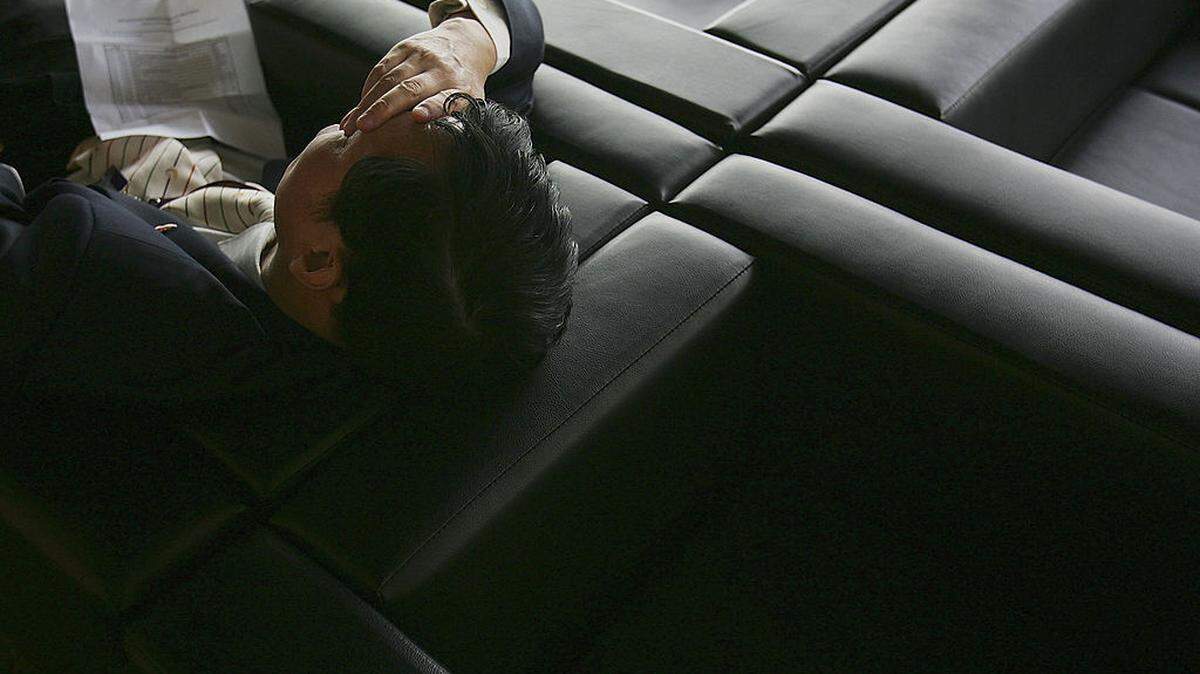
You finally got to bed at a decent hour. The kids slept through the night. You got close to eight hours. And you still feel like you got hit by a bus. Sound familiar? The problem almost certainly isn’t how long you’re sleeping. It’s what’s happening during those hours that nobody warned you about.
1. Dinner Is Happening Too Late
For most parents, dinner happens after the chaos settles, which often means eating within an hour or two of bed. A University of Sydney study published in the International Journal of Environmental Research and Public Health found eating within three hours of bedtime was associated with a roughly 40% increase in nighttime awakenings. Your digestive system raises your core body temperature and keeps the gut active long after lights out, and acid reflux triggered by late meals is one of the most underappreciated reasons parents wake up in the night. Even shifting dinner 30 minutes earlier makes a measurable difference.
2. Your Pillow Isn’t Right for How You Sleep
Parents are notoriously bad at investing in their own sleep setup while obsessing over their kids’. Waking up stiff, with neck tension or a low-grade headache is a sign your pillow isn’t supporting your cervical spine properly. A 2025 systematic review found appropriate pillow use supports spinal alignment, reduces muscle strain and meaningfully improves sleep quality. The wrong height for your sleep position creates enough low-level discomfort to repeatedly pull you out of deep sleep without fully waking you.
3. You’re Scrolling After the Kids Go to Bed
The hour after bedtime feels like the only quiet you get all day, but the screens you’re using are actively delaying your sleep. A 2025 systematic review in Frontiers in Neurology confirmed that blue light from screens suppresses melatonin, delays your circadian phase and prolongs how long it takes to fall into restorative sleep. That 45 minutes of scrolling is costing you more than 45 minutes of recovery.
4. That Glass of Wine After Bedtime Isn’t Winding You Down
Alcohol feels like a decompression tool, but it fragments the second half of your night. A 2025 systematic review in Sleep Medicine Reviews analyzing 27 studies found that even roughly two standard drinks significantly reduced REM sleep duration. REM is where your brain processes stress and emotional regulation happens, which means skimping on it makes the next day harder to handle, not easier.
5. Your Bedroom Air Is More Problematic Than You Think
Dust mites, pet dander and mold concentrate in mattresses, pillows and curtains and most parents haven’t thought about this since before the kids were born. A 2025 NIH study in the Journal of Allergy and Clinical Immunology: Global examining 3,399 U.S. adults found higher bedroom allergen levels were directly linked to sleep disorders, snoring and sleep medication use. You don’t need classic allergy symptoms for low-grade nasal inflammation to disrupt your breathing throughout the night. Washing bedding weekly and replacing old pillows is a faster fix than most parents expect.
6. Sleeping In On Sundays Are Making Mondays Worse
Sleeping in on Saturday feels earned, and it is, but it shifts your internal clock in ways that make Sunday night harder to fall asleep and Monday morning harder to get through. A 2025 systematic review in Sleep Medicine Reviews covering 59 studies found moderate-certainty evidence linking irregular sleep timing to significantly poorer health outcomes. Keeping your wake time consistent even on weekends, within 30 to 45 minutes of your weekday time, is one of the highest-return changes you can make.
7. You’re Probably Not Drinking Enough Water
Parents track everyone else’s hydration and forget their own. A 2025 study in Nature and Science of Sleep found REM sleep length and efficiency were both significantly associated with fluid intake in dehydrated participants. A separate 2025 study in SN Comprehensive Clinical Medicine found mild dehydration made it harder to fall asleep in the first place. Keep a water bottle at your own bedside. It’s the simplest fix on this list.
The good news is none of this requires a major overhaul. Pick one or two of these to address this week and see how your mornings feel. You might be surprised how much better eight hours can actually feel.
This article was created by content specialists using various tools, including AI.