Have You Heard of Fridge Foraging? This Daily Food Strategy Helps Busy Parents Save Time and Money
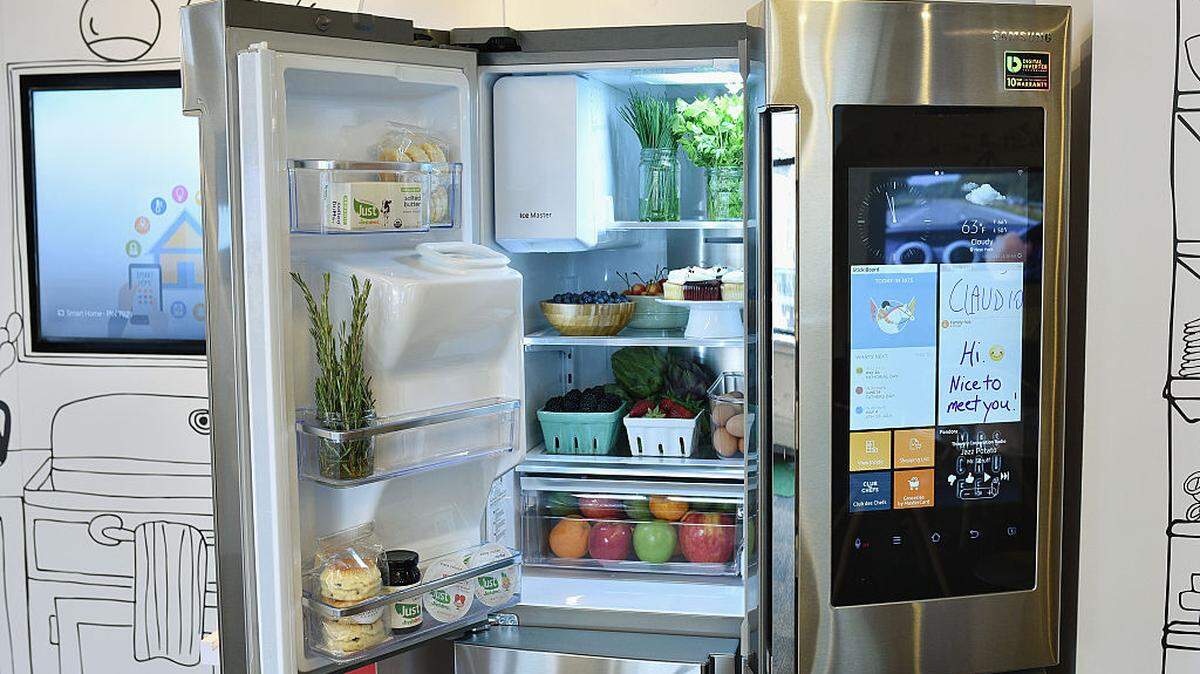
It’s 5:30 p.m., the kids are hungry and you’re staring into a fridge full of random leftovers, half a block of cheese and vegetables that need to go tonight. Here’s the thing: that moment of improvisation isn’t a failure to plan. It’s actually one of the smartest money moves you can make.
Your Fridge Is Hiding Real Savings
The EPA’s April 2025 report puts the cost of food waste for a household of four at $2,913 per year. That’s not a national abstraction. That’s your grocery budget quietly disappearing into the trash.
The U.S. generated 70 million tons of surplus food in 2024 alone, about 29% of the entire food supply, per the 2026 ReFED U.S. Food Waste Report. And a January 2026 survey by ReFED and YouGov found that among Americans spending more on groceries than last year, 76% are already eating leftovers more often and 87% are checking what they have at home before shopping. Fridge foraging, it turns out, is something a lot of people are already doing without a name for it.
What Fridge Foraging Actually Looks Like
Fridge foraging is simply the practice of using up what’s already in your fridge before buying more, turning odds-and-ends into real meals. No fancy pantry staples required. Just what you’ve got.
The timing makes sense. As of January 2026, nearly two-thirds of consumers remained extremely or very concerned about high grocery prices, and comfort food was the top in-home meal priority for 55% of consumers across generations, per FMI data cited in IFT’s March 2026 food trends report. People want meals that feel good and cost less, which is exactly what a smart fridge cleanout delivers.
The Food Trends Making Fridge Foraging Feel Fresh
What’s interesting is that fridge foraging isn’t just a budget hack anymore. It’s gone cultural. The kitchen sink sandwich has been circulating on TikTok as a genuine meal idea: layer absolutely everything left in your fridge between two slices of bread and call it dinner. Deli meat, roasted vegetable remnants, that last smear of hummus, a few pickle slices. The whole point is that nothing gets left behind.
Snack plates have followed a similar path. What started as a social media joke about “girl dinner” has become a real weeknight strategy for parents. Cheese, fruit, crackers, dips and whatever leftovers are in the door of the fridge arranged on a board. Kids often eat from a grazing spread more willingly than from a plated meal, and snack-as-meal behavior is up across all generations per IFT and NRA data.
Then there’s the fridge cleanout meal, the broader category that pulls everything together. Fried rice, frittatas, grain bowls and big soups are all built for this moment. They don’t require a recipe so much as a willingness to use what you have, and they’ve become a recognizable dinner category in their own right.
Why It’s Catching on Beyond Just Saving Money
These trends share the same underlying idea: practical cooking doesn’t have to feel like settling. You’re already doing the hard part every time you open the fridge, scan what’s there and figure it out. That’s not winging it. That’s nearly $3,000 a year you’re working to keep in your family’s pocket.
This article was created by content specialists using various tools, including AI.
This story was originally published April 15, 2026 at 8:00 PM.