If Kathy Bates Lost 100 Pounds After 70 With Walking, Patience and Determination, You Can Too
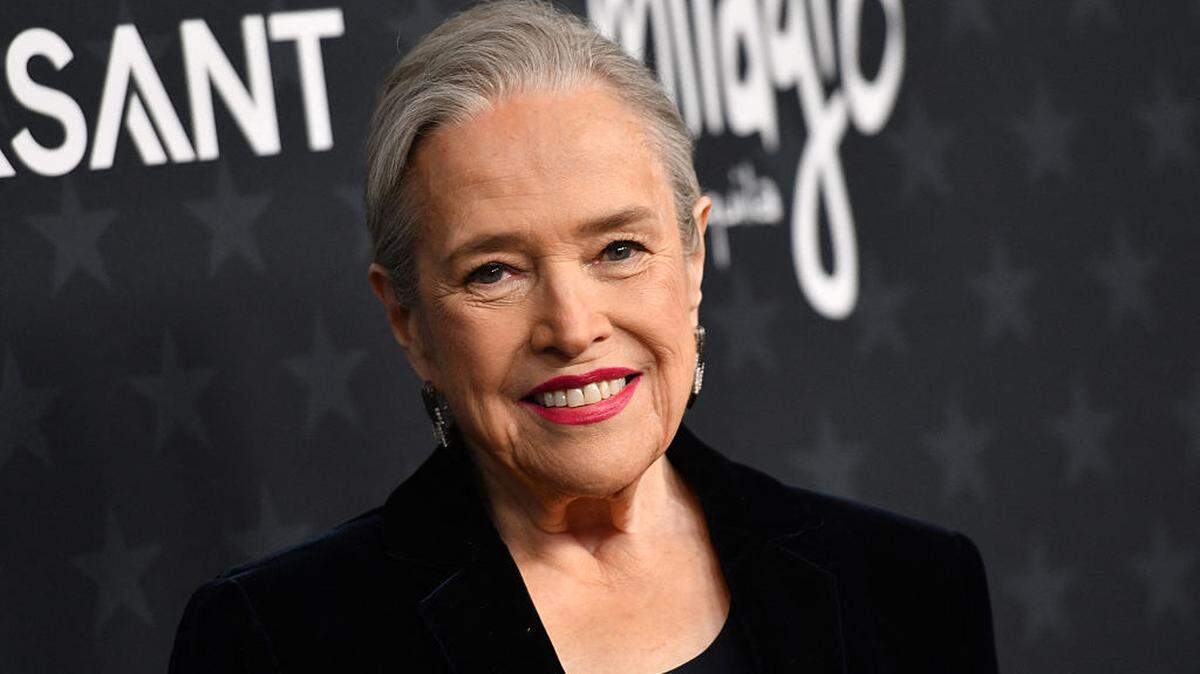
If you’ve ever felt like weight loss gets harder with every passing year, Kathy Bates’ story might shift your thinking. The Oscar-winning actress lost 100 pounds between roughly 2017 and 2024 — without a celebrity trainer, without a trendy diet and without relying on medication to do the heavy lifting. She was 77 when she shared the full story, and her approach is more actionable than most people expect.
A Diabetes Diagnosis Was the Real Starting Point
For Bates, the turning point wasn’t about dress size. It was a Type 2 diabetes diagnosis in 2017 that stopped her in her tracks. She’d watched her own family struggle with the disease for years and knew firsthand how devastating it could become.
“I’d seen what my father had gone through. He had had a leg amputation. One of my sisters is dealing with it very seriously, and it terrified me. It scared me straight,” she told People.
That fear became fuel. She lost 80 pounds through diet and lifestyle changes over roughly seven years, then used Ozempic for the final 15 to 20 pounds — a supporting role, not the lead.
No Trainer, No Gym, No Complicated Program
What makes Bates’ approach so worth paying attention to is how ordinary it was. She cut out “burgers and Cokes and pizza” and stopped eating after 8 p.m. She walked regularly, used a treadmill at home and stayed active on set. She let herself have occasional treats to avoid feeling deprived.
She also developed a simple way of reading her body’s fullness signals. “There’s a hormone released when we’re hungry, and another when we’re satisfied,” she told Woman’s World. “The way I recognize that second hormone is I have an involuntary sigh. It may not feel like you’ve had enough, so the trick is, you have to push your plate away. I eventually went from a 3X to a size 10.”
She also made one mental shift she credits consistently. “You know, they always say, ‘Oh, you don’t have enough willpower.’ I just changed that word to determination. It was my choice,” she said on The Drew Barrymore Show, per People.
What the Research Says About Weight Loss After 70
Bates’ instincts line up with what doctors actually recommend for this age group. Intentional weight loss in older adults often results in muscle loss and increased frailty, making movement alongside dietary changes essential rather than optional, according to research published in the Bulletin of the National Research Centre.
A New England Journal of Medicine study found that combined diet and exercise improved frailty, physical function and mobility in obese adults around age 70 more than either approach on its own. Protein also becomes critical — research recommends 1.2 to 1.5 grams per kilogram of body weight daily to preserve muscle, well above the standard RDA.
A December 2025 AAMC report confirms GLP-1 medications work best alongside established lifestyle foundations. Bates’ seven years of habit-building before adding Ozempic mirrors that guidance almost exactly.
The Emotional Side Most Coverage Misses
When a stylist’s dress fit her unexpectedly, Bates had a reaction she didn’t see coming. “I just started crying and crying. I’m still figuring out what it’s like to be without all of that weight. What was I hiding myself from? What are the emotions that are pouring out because I don’t have that armor?” she told Variety.
Weight carried for decades can be tied to identity and protection — and acknowledging that emotional dimension is part of what makes sustained change possible in the first place.
What Her Journey Actually Means
A health diagnosis can be a legitimate and powerful starting point. Slow and consistent beats fast and dramatic, especially after 70. Walking counts. Hunger cue awareness is free. And GLP-1 medications work best as a later support tool, not a first step.
Bates has been clear that real patience is required — and her results are proof that it pays off.
This article was created by content specialists using various tools, including AI.